We Excavated a Massive Pit and Connected Eight Shipping Containers to Build a Hidden Underground Bunker
The project began with a simple idea: create a large underground survival bunker hidden beneath a future forest property. Instead of building a traditional concrete shelter from scratch, we decided to use reinforced shipping containers as the structural foundation of the underground complex.
The first stage was finding a secluded piece of land surrounded by dense forest. We wanted complete privacy, natural protection, and enough space to build a large underground structure without attracting attention. Once the location was selected, surveyors mapped out the site and construction crews began preparing the area.
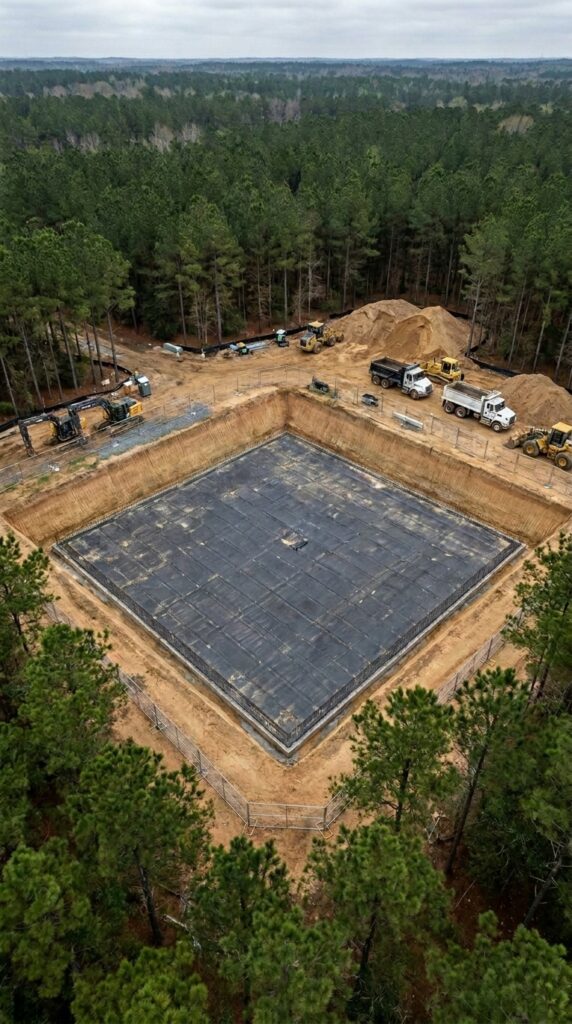
Heavy equipment arrived and excavation started immediately. Bulldozers, excavators, and dump trucks worked for weeks removing thousands of cubic yards of soil. Gradually, a massive square excavation appeared in the middle of the forest. The pit was designed large enough not only for the bunker itself, but also for drainage systems, waterproofing layers, utility corridors, and future structural reinforcement.
Once excavation was completed, crews installed a reinforced base foundation across the entire bottom of the pit. Special waterproof membranes and drainage systems were added to protect the future bunker from groundwater and long-term moisture damage.
The next stage was the most important.
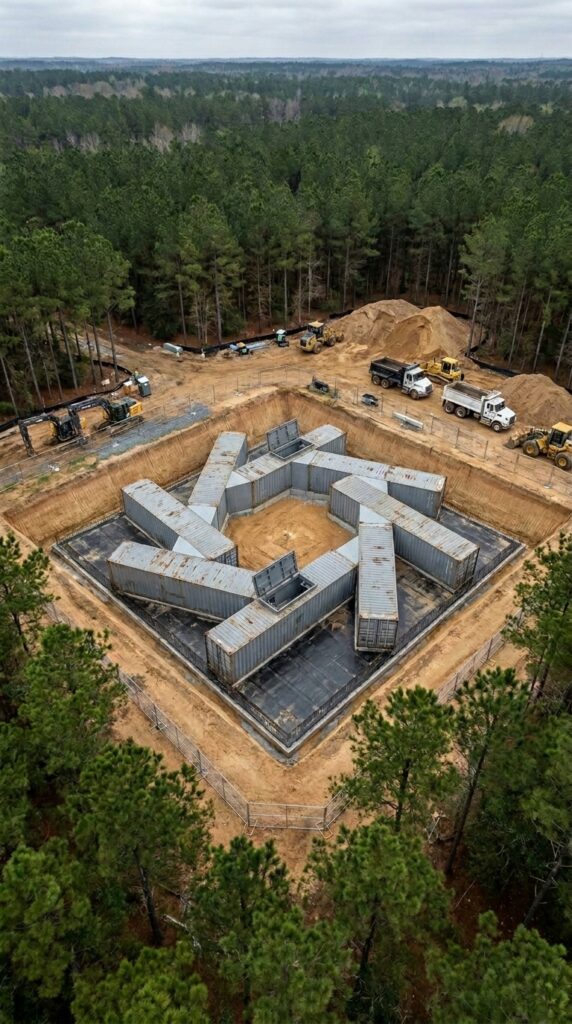
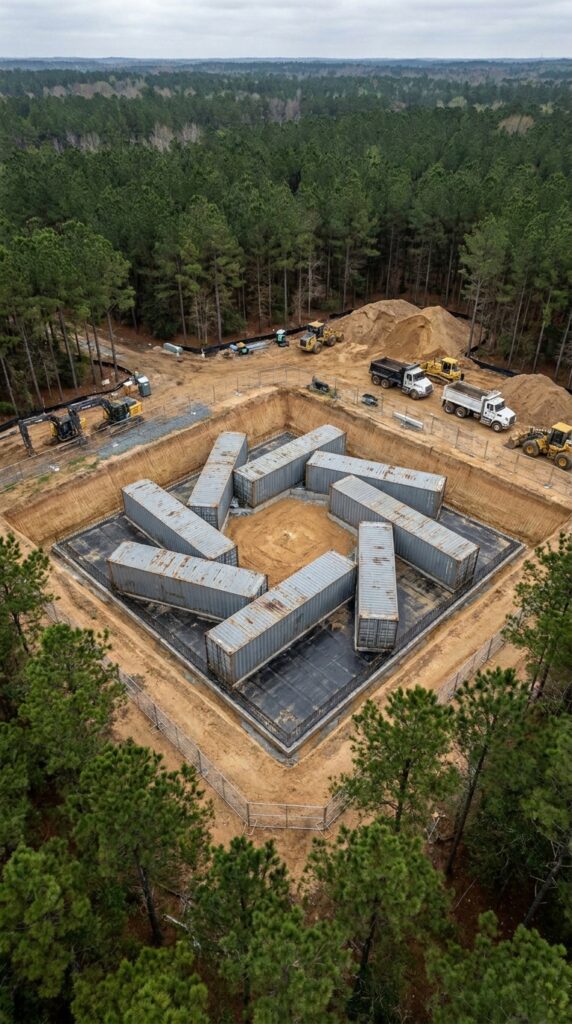
Eight large shipping containers were delivered to the site and carefully lowered into the excavation using heavy lifting equipment. Instead of placing them side by side, the containers were arranged in a custom interconnected layout designed to maximize interior space and create multiple functional zones.
Large openings were cut into the container walls so they could be permanently connected together. After welding and reinforcement work was completed, the individual containers effectively became one large underground structure. Internal corridors linked every section together, creating a network of rooms instead of isolated containers.
The layout was designed to separate different functions throughout the bunker. Some containers would eventually become living quarters and sleeping areas. Others were reserved for food storage, water reserves, workshops, mechanical systems, communications equipment, medical supplies, and emergency operations.
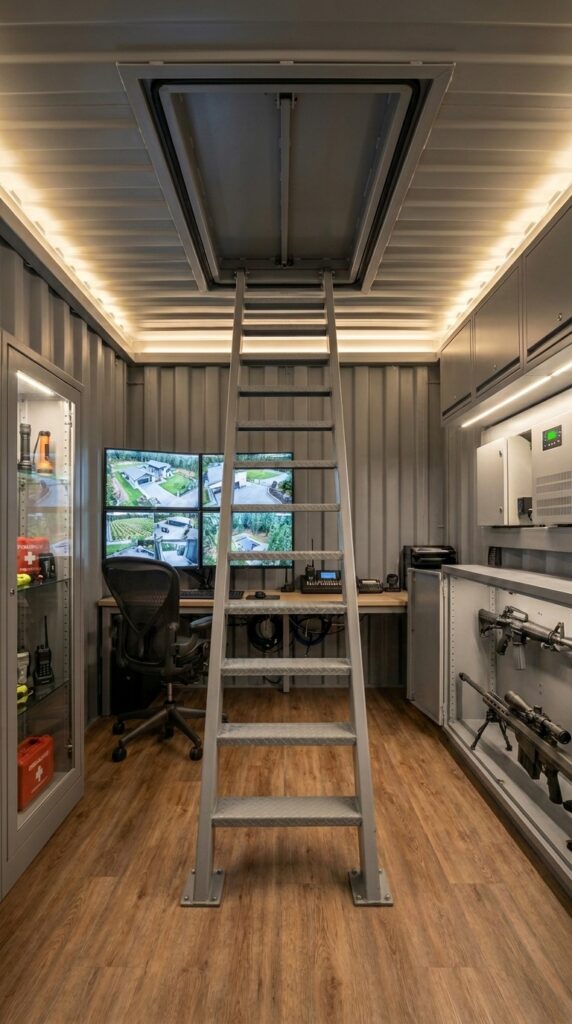
Multiple access shafts were also integrated into the design to serve as emergency exits. These escape routes were positioned in different directions around the property to provide alternative evacuation paths if the primary entrance ever became blocked.
Once the container structure was fully assembled, crews began reinforcing the exterior and preparing the bunker for burial. Additional waterproofing layers, drainage systems, and protective barriers were installed around the entire complex to ensure long-term durability underground.
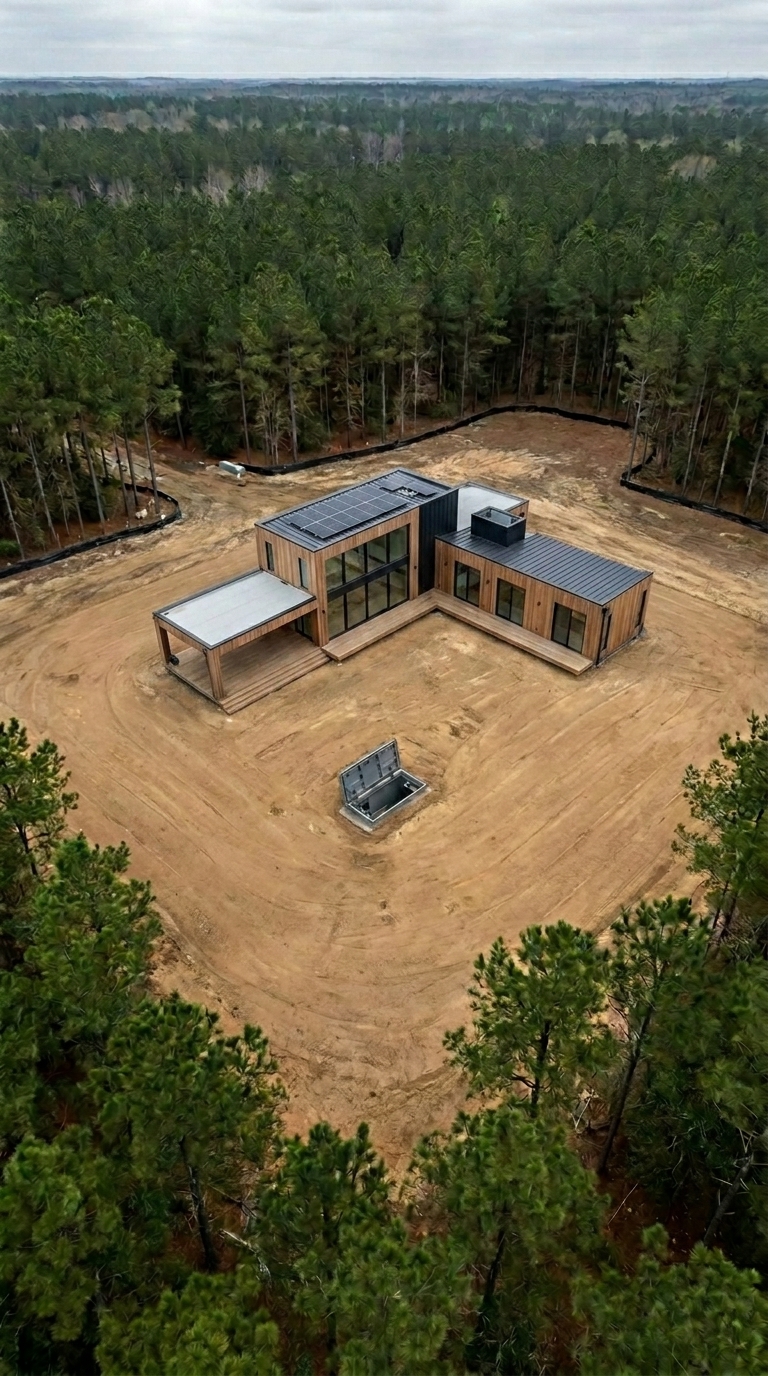
Looking down from above, the construction site resembled a giant hidden fortress taking shape beneath the forest floor. What appeared to be a collection of simple cargo containers was actually becoming a large interconnected underground survival complex designed for long-term self-sufficiency.
The final phase would involve covering the entire structure with soil, hiding all visible traces of the bunker, and eventually building a modern home directly above it. Once completed, nobody would suspect that beneath the property lies an extensive underground shelter connected through eight reinforced shipping containers and designed to support a family during emergencies for years to come.
What started as an empty forest clearing was slowly transforming into one of the most ambitious underground container bunker projects imaginable.
Hidden Underground Bunker Completed: A Modern Home Built Directly Above It
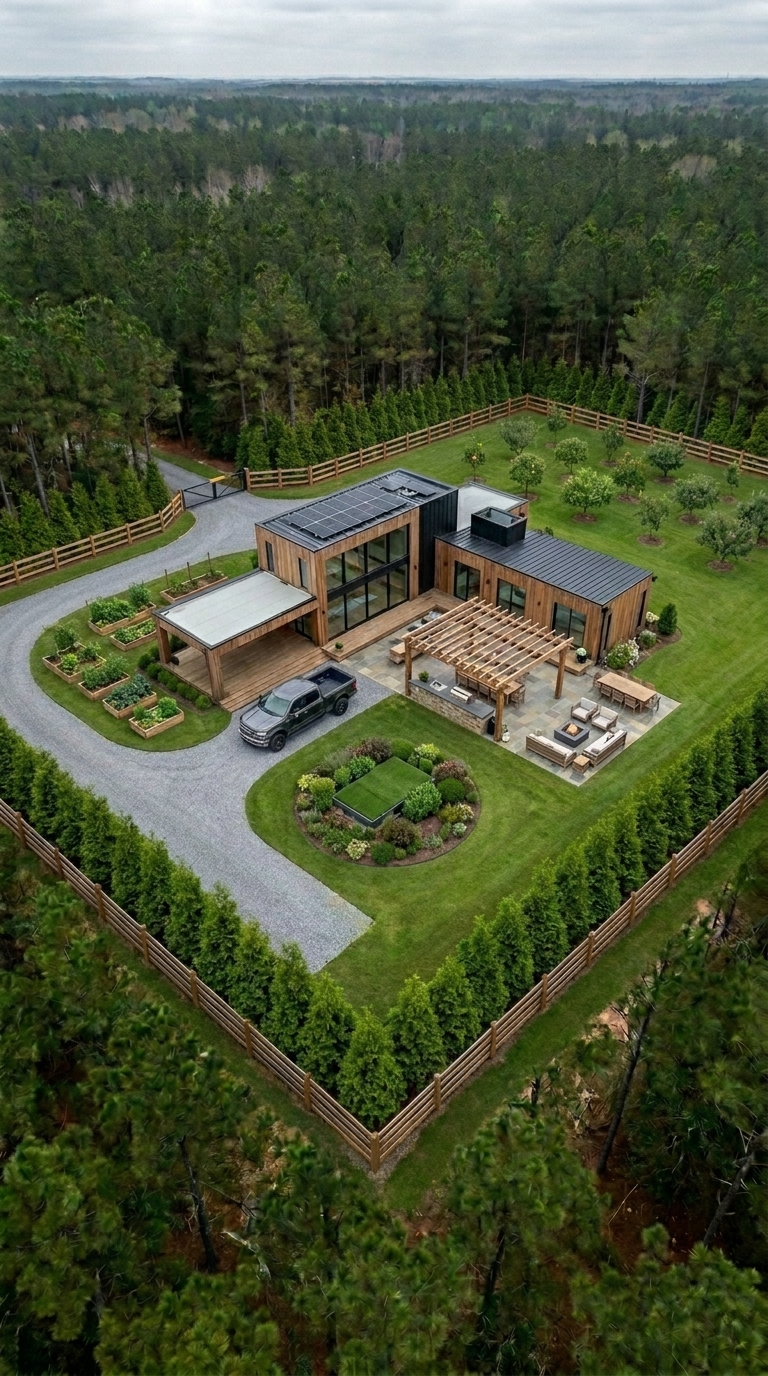
After months of excavation, engineering, and construction, the underground bunker was finally sealed beneath the property and hidden from view. What began as a massive construction site in the middle of a forest was transformed into what appears to be a peaceful modern homestead.
Once the eight-container bunker complex was fully assembled, reinforced, waterproofed, and connected internally, construction crews began the final burial process. Thousands of cubic yards of soil were carefully placed over the structure, creating a thick protective layer between the underground facility and the surface. From above, there was no visible sign of the enormous survival shelter hidden beneath the ground.
With the bunker safely concealed, work shifted to the surface.
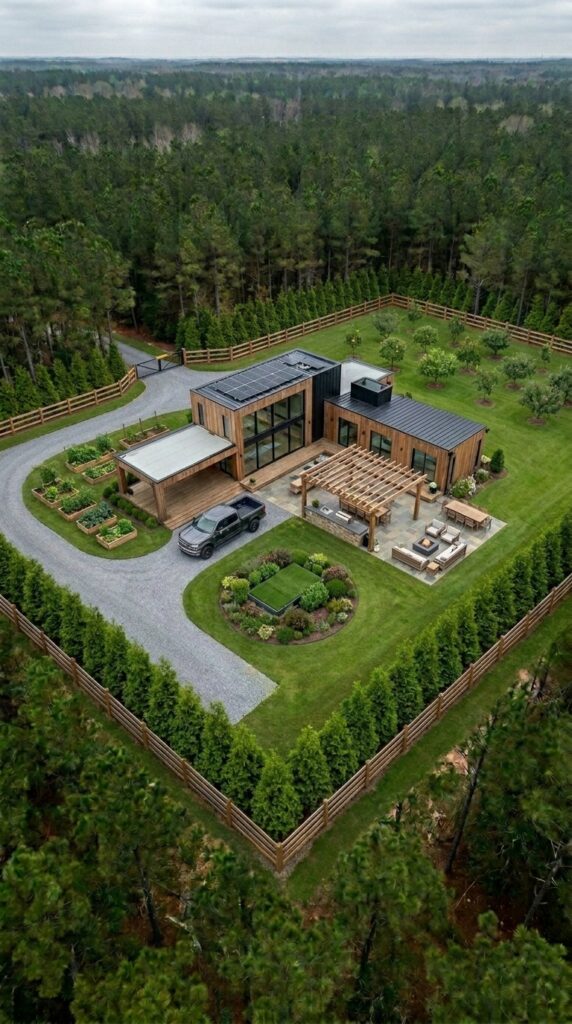
A modern energy-efficient home was built directly above the underground complex. Designed to blend into the surrounding forest, the house features clean architectural lines, large panoramic windows, durable exterior materials, and an open layout that takes advantage of the natural landscape. Solar panels were installed on the roof to help provide renewable energy and reduce dependence on outside infrastructure.
One of the most important features of the property remained completely hidden. Inside the house, a concealed access hatch provides direct entry into the underground bunker below. In everyday life, the property functions like a normal family home, but beneath it lies a large emergency shelter designed for long-term use.
The surrounding land was then completely transformed. Construction equipment was removed, the soil was graded, and a large lawn was installed across the property. Fresh grass covered what had once been a massive excavation site, turning the area into a clean and attractive landscape.
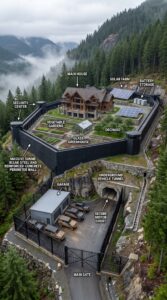
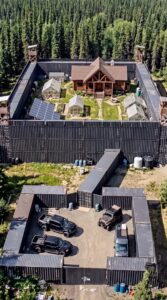
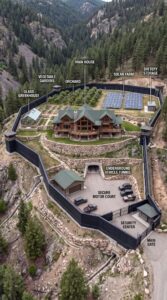
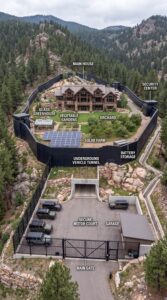
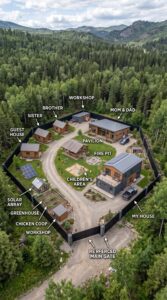
A long gravel driveway was built to provide easy vehicle access while maintaining the natural appearance of the property. Around the perimeter, a tall security fence was installed to increase privacy and help protect the homestead from unwanted visitors and wildlife.
Rows of evergreen privacy trees were planted throughout the property to create a natural visual barrier. As the trees mature, they will form a dense green wall surrounding the home and hiding it from view. Additional landscaping included ornamental gardens, shrubs, walking paths, and a small orchard that can provide fresh fruit in the future.
Raised garden beds were also added near the house, allowing the owners to grow vegetables, herbs, and other crops. Combined with solar energy and underground emergency storage, the property was designed to become increasingly self-sufficient over time.
Today, visitors arriving at the site see only a beautiful modern home surrounded by forest, green lawns, gardens, and carefully maintained landscaping. Few would ever suspect that beneath the surface lies an extensive underground bunker complex connected through eight reinforced shipping containers and designed to provide safety, shelter, and independence during emergencies.
The result is a unique combination of modern living and long-term preparedness. Above ground, it looks like a peaceful forest retreat. Below ground, it functions as a fully equipped survival shelter hidden beneath the landscape.
From a massive excavation in the wilderness to a finished homestead with a secret underground bunker, the transformation turned an empty forest property into one of the most ambitious self-reliant homes imaginable.
Hidden Entrance: The Secret Access to the Underground Bunker
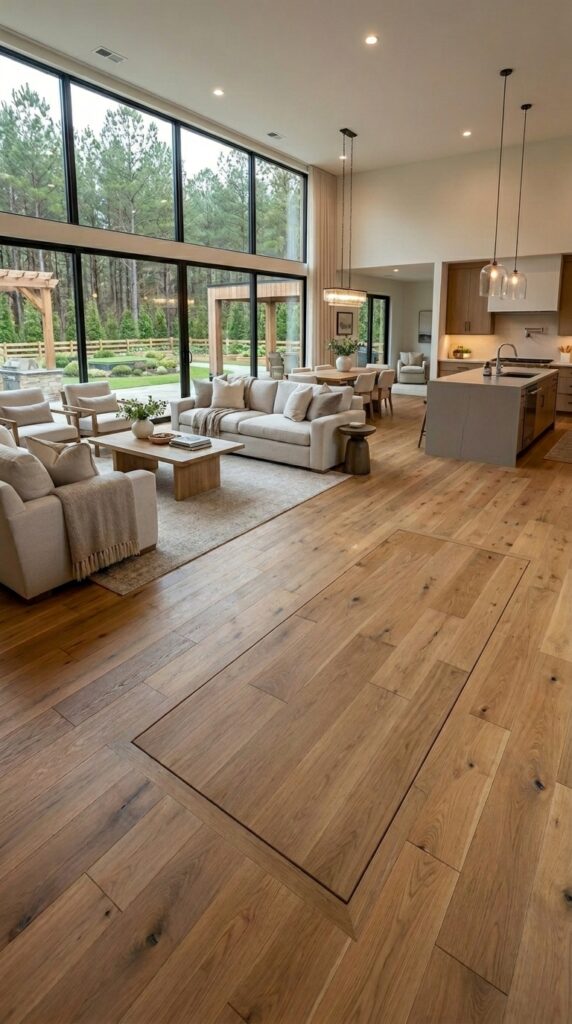
At first glance, the house looks completely ordinary. The open living room, large panoramic windows, modern kitchen, and natural wood flooring create the appearance of a comfortable family home surrounded by forest. Nothing immediately suggests that an extensive underground bunker exists beneath the property.
The secret is hidden directly within the main living area.
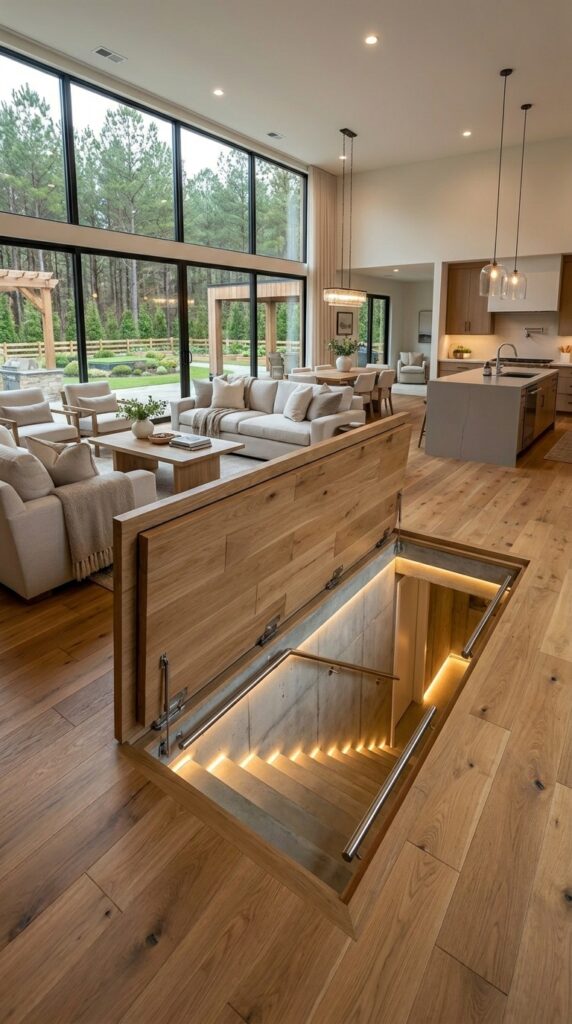
Built seamlessly into the hardwood floor is a reinforced concealed hatch designed to remain virtually invisible when closed. Matching wood grain, hidden hinges, and precision construction allow the entrance to blend perfectly with the surrounding flooring. Visitors walking through the house would never notice that an underground survival complex lies directly below their feet.
When opened, the hatch reveals a wide illuminated staircase leading deep underground. Soft integrated lighting along the walls guides occupants safely into the bunker while creating a modern and secure atmosphere. The stairway was designed to allow fast access during emergencies while remaining comfortable for everyday use.
The hidden entrance serves as the primary connection between the home and the underground shelter. Within seconds, residents can move from the surface living area into a protected reinforced structure designed for long-term occupancy.
Below the hatch, the bunker contains sleeping quarters, food storage rooms, water reserves, communication equipment, medical supplies, security systems, backup power infrastructure, and climate-controlled living spaces. Every section of the underground complex can be accessed from this central staircase.
Security was a major priority during construction. When closed, the hatch locks securely and becomes nearly impossible to distinguish from the surrounding floor. Combined with the secluded forest location, privacy fencing, and natural tree cover, the entrance remains hidden from casual observation.
The design allows the property to function as a normal modern residence while quietly concealing an entirely separate underground world below. Family members can enjoy daily life above ground while maintaining immediate access to emergency shelter whenever needed.
The result is a unique blend of luxury living and preparedness. Above ground, it is a beautiful contemporary forest home. Beneath the floor, a hidden staircase leads to a fully equipped underground bunker capable of supporting long-term survival in complete privacy.
For most visitors, it appears to be nothing more than a stylish living room. Only the owners know that beneath the hidden hatch lies the true heart of the property.
Inside the Hidden Underground Bunker
After entering through the concealed hatch inside the house, a staircase leads down into the underground bunker complex built from interconnected shipping containers. Although hidden beneath the property, the interior was designed to feel comfortable, practical, and capable of supporting long-term living if the family ever needed to remain underground for an extended period.
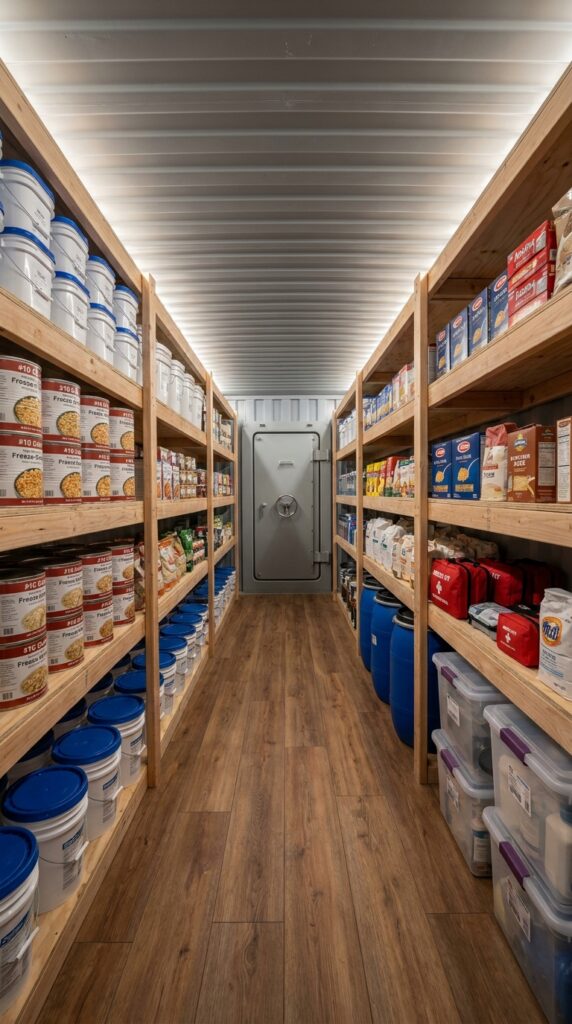
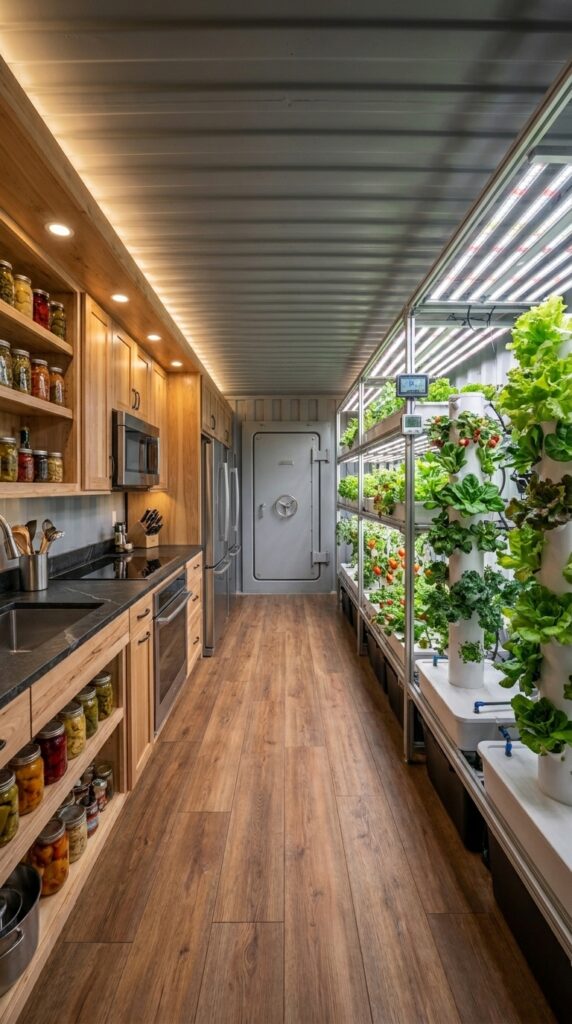
One section of the bunker serves as the main food storage area. Floor-to-ceiling shelving holds emergency food supplies, freeze-dried meals, canned goods, grains, medical kits, and essential household items. Large storage containers and organized inventory systems make it possible to store months or even years of supplies while keeping everything easily accessible.
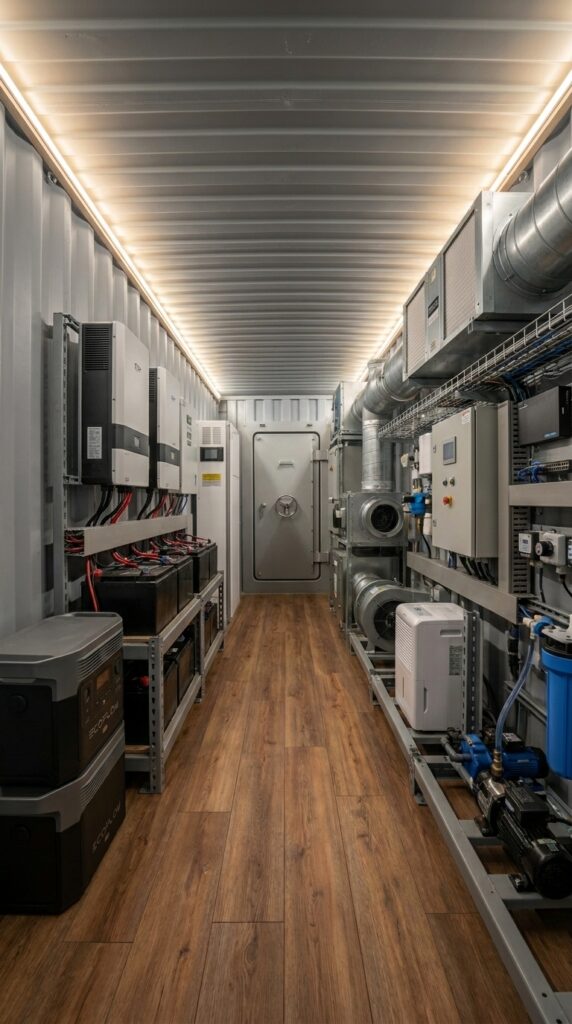
Next to the storage area is the life-support and utility room. This section houses the battery banks, solar power systems, backup generators, water pumps, filtration equipment, air circulation systems, and environmental controls. The entire bunker can operate independently from outside infrastructure, providing electricity, clean water, and fresh air even during extended emergencies.
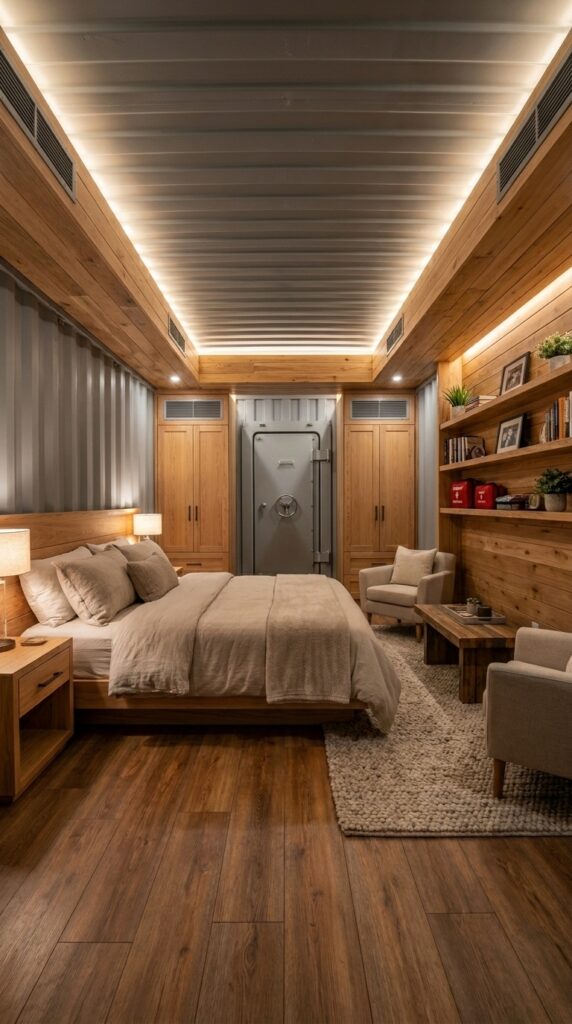
Private sleeping quarters were designed to provide comfort rather than simply survival. Warm wood finishes, insulated walls, soft lighting, and climate control create a space that feels more like a small apartment than an underground shelter. Multiple bedrooms allow family members to maintain privacy while living below ground.
The bunker also includes a fully functional kitchen and food preparation area. Refrigeration, cooking equipment, storage cabinets, and indoor growing systems make it possible to prepare fresh meals every day. Hydroponic gardens provide vegetables and herbs year-round, helping supplement stored food reserves with fresh produce.
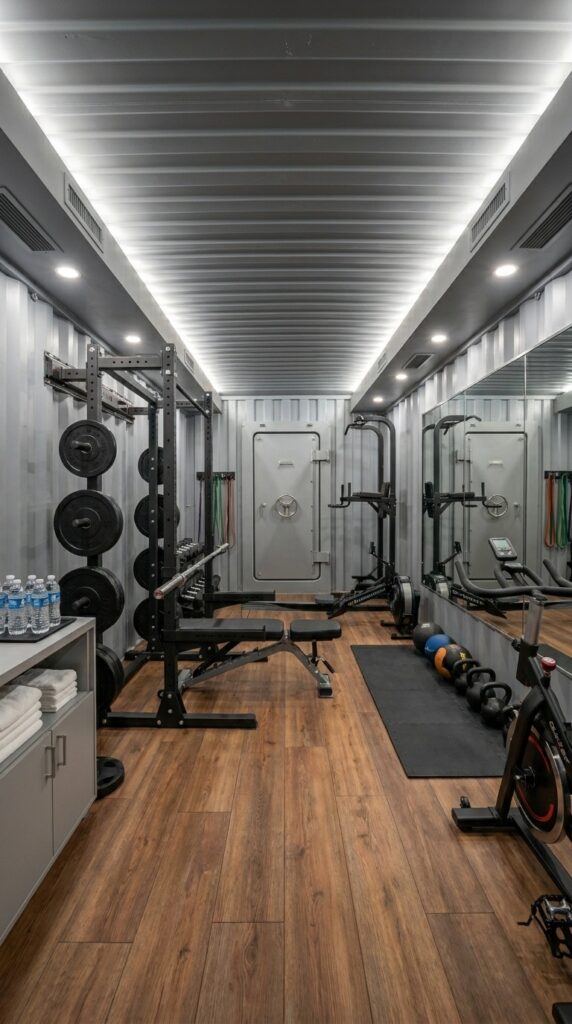
To maintain health and fitness during long stays underground, a dedicated exercise room was built into the complex. The gym includes strength-training equipment, cardio machines, free weights, and space for daily workouts. Physical activity plays an important role in both physical and mental well-being during extended periods of isolation.
Security and monitoring systems are located in a dedicated control room. Multiple cameras monitor the property above ground, while communication equipment allows contact with the outside world if necessary. The control center also tracks power production, water reserves, air quality, and the status of all critical systems throughout the bunker.
Perhaps the most important safety feature is the network of four separate emergency exits located around the underground complex. These reinforced escape routes provide alternative evacuation paths in case the main entrance becomes inaccessible. Each exit was designed to remain concealed while allowing rapid access to the surface when needed.
Together, these interconnected spaces transform the bunker into much more than a simple shelter. It functions as a self-contained underground residence capable of supporting daily life with sleeping areas, food production, water purification, energy generation, fitness facilities, storage rooms, security systems, and multiple emergency escape routes.
Hidden beneath an ordinary-looking forest home, the bunker was built to provide comfort, independence, and peace of mind while remaining completely out of sight from the outside world.
How Much Would It Cost to Build a Hidden Underground Container Bunker Beneath a Modern Forest Home?
What started as a quiet forest property eventually became a fully self-sufficient underground survival complex hidden beneath a modern family home. The project combined residential construction, underground engineering, renewable energy systems, emergency preparedness infrastructure, and long-term off-grid capabilities.
The goal was simple: create a comfortable everyday home while concealing a large underground bunker capable of supporting a family during extended emergencies.
Phase 1: Land Preparation and Excavation
The project began with a land survey and site planning process. Engineers identified the ideal location for the bunker and designed a large excavation area capable of holding eight interconnected shipping containers.
Heavy equipment was brought in to clear the site and excavate a massive pit deep enough to accommodate the underground structure, drainage systems, waterproofing, and protective soil coverage.
Estimated Cost: $40,000 – $70,000
Phase 2: Container Bunker Construction
Eight 40-foot shipping containers were delivered to the property and arranged into a large underground complex. Internal openings were cut between containers to create hallways and living spaces. Additional steel reinforcement was added to strengthen the structure before burial.
The bunker was designed with four independent emergency exits positioned around the complex to provide multiple evacuation routes.
Estimated Cost: $80,000 – $140,000
Phase 3: Waterproofing and Structural Protection
Because the bunker would remain underground permanently, extensive waterproofing and drainage systems were installed around the structure. Protective membranes, drainage layers, pumps, and reinforced barriers were added to prevent water intrusion.
Once completed, the entire bunker was covered with thousands of tons of soil.
Estimated Cost: $40,000 – $80,000
Phase 4: Modern Home Construction
A contemporary house was built directly above the underground complex. The home included a hidden access hatch leading into the bunker while maintaining the appearance of a normal luxury residence.
Large windows, energy-efficient construction, and modern finishes helped the house blend naturally into the forest environment.
Estimated Cost: $180,000 – $350,000
Phase 5: Off-Grid Energy Systems
Solar panels were installed to provide renewable energy, supported by large battery banks and backup diesel generators located underground.
This combination allows the property to operate independently even during extended power outages.
Estimated Cost: $35,000 – $80,000
Phase 6: Water, Ventilation, and Life Support
The underground facility received industrial-grade ventilation systems, air filtration, water storage tanks, pumps, and purification equipment capable of supplying clean water and fresh air for long periods.
Estimated Cost: $30,000 – $70,000
Phase 7: Interior Construction
The bunker interior was transformed into a comfortable underground residence. The complex includes:
• Private bedrooms • Full kitchen • Food storage rooms • Medical storage • Security monitoring center • Gym and recreation areas • Utility and maintenance rooms • Long-term emergency supply storage
High-quality insulation, flooring, lighting, and climate-control systems were installed throughout the facility.
Estimated Cost: $100,000 – $200,000
Phase 8: Landscaping and Security
After construction was completed, the property was restored and landscaped. A large lawn was installed, privacy trees were planted around the perimeter, and a secure fence was constructed around the homestead.
Driveways, pathways, outdoor living areas, and garden spaces completed the project.
Estimated Cost: $30,000 – $60,000
Estimated Total Project Cost
Land preparation and excavation: $40,000 – $70,000
Container bunker structure: $80,000 – $140,000
Waterproofing and burial: $40,000 – $80,000
Modern home construction: $180,000 – $350,000
Solar and backup power: $35,000 – $80,000
Water and ventilation systems: $30,000 – $70,000
Interior finishing: $100,000 – $200,000
Landscaping and security: $30,000 – $60,000
Total Estimated Investment:
Approximately $535,000 to $1,050,000
While the project represents a significant investment, it combines a modern family home with a large underground survival complex capable of supporting long-term independent living. Above ground it appears to be a peaceful forest residence. Below ground it functions as a secure self-sufficient bunker with multiple emergency exits, renewable energy, food storage, water reserves, and all the essentials needed for extended survival.
The result is one of the most ambitious hidden homestead projects imaginable—a luxury home on the surface and a complete underground refuge hidden beneath it.
This is an architectural concept visualization and not a real construction project.

Leave a Reply