
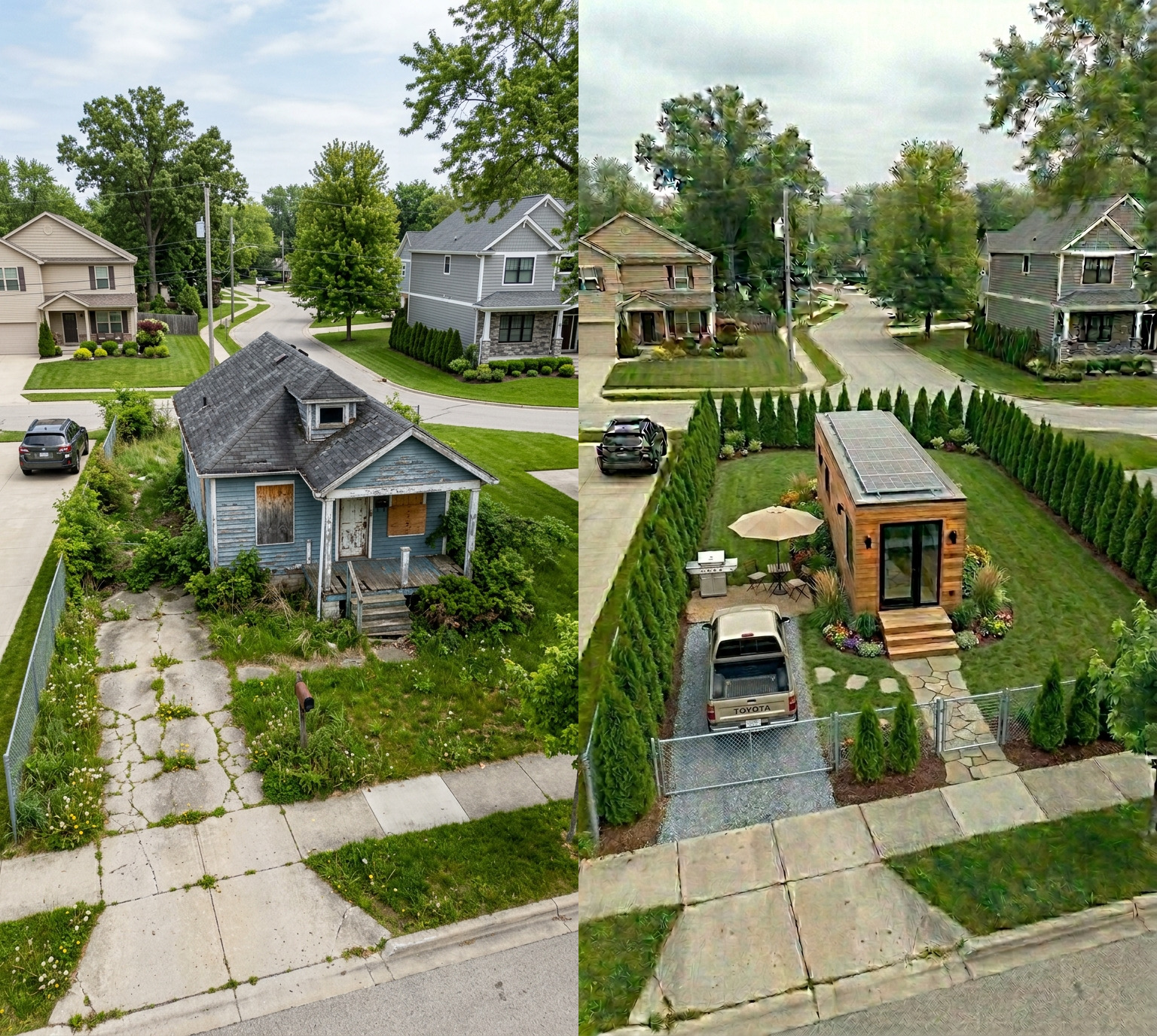
After years of paying rent every single month and watching thousands of dollars disappear into someone else’s property, we finally decided to change our lives completely. Instead of continuing to spend huge amounts of money on housing, we chose a different path — building our own affordable container home from scratch on a very small budget.
The project started when we found an old abandoned house sitting on a neglected piece of land in a quiet neighborhood. Surprisingly, the entire property cost about the same as one year of rent for our apartment. At that moment, we realized it made more sense to invest into something that would actually belong to us instead of endlessly paying for temporary housing.
The first step was demolishing the old structure. The house was in terrible condition and impossible to restore properly, so we completely cleared the lot and prepared the land for construction. Once the area was cleaned up, we brought in a shipping container that would eventually become our future home.
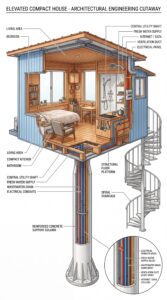
To create a stable foundation, the container was installed on reinforced concrete piles slightly above the ground. After that came the most exciting part — transforming an industrial steel container into a real living space. We cut out large panoramic windows and a front door to bring in natural light and make the interior feel open instead of cramped.
Because insulation is critical for comfortable living, especially during winter and hot summer days, we carefully insulated the entire container before covering the exterior with a wooden facade. This completely changed the appearance of the structure and made it look more like a modern tiny house rather than a cargo container.
One of our main goals was reducing future expenses as much as possible. To help lower electricity costs, we installed solar panels on the roof, allowing the house to generate part of its own energy. We also connected water, sewer, and all the necessary utilities needed for everyday life.
Outside the house, we focused on turning the empty property into a comfortable private space. We created a gravel driveway for the car, laid fresh grass across the yard, and planted rows of thuja trees around the fence line. Over time, these trees will grow into a natural green privacy wall surrounding the entire property.
We also built a small outdoor barbecue area where we can relax, cook food outside, and spend evenings together. Even with the limited size of the container, we managed to fit everything we needed inside: a functional kitchen, a mini living room, a separate bedroom, and even a compact bathroom with a shower and toilet.
The entire project was built on a tight budget using simple materials, careful planning, and a lot of personal work. Instead of waiting years to afford a traditional house, we created our own cozy temporary dream home much sooner and with far lower costs.
And this is only the beginning.
In the future, we plan to place another container house right next to the first one and continue expanding the project step by step. What started as frustration with paying rent slowly turned into a completely different lifestyle focused on ownership, independence, and creative living.
Sometimes the best solution is not buying a giant expensive house — but building something small, practical, and truly your own.
We Cleared the Entire Property and Installed a Shipping Container on Concrete Piles
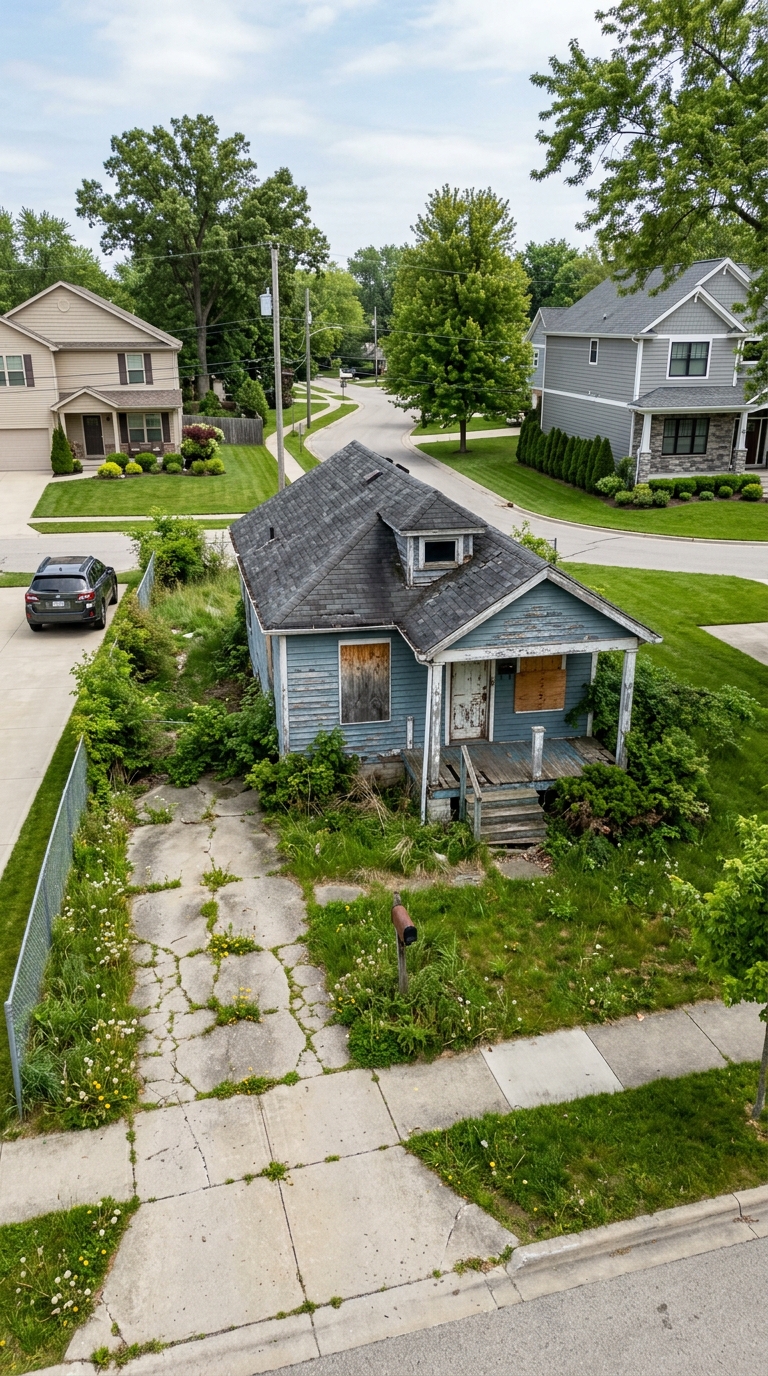
After buying the abandoned property, the first thing we realized was that almost everything had to go. The old house was beyond repair, the yard was completely overgrown, and the entire lot looked neglected after years without proper maintenance. Instead of trying to restore a structure that was already falling apart, we decided to start from zero and build something entirely different.
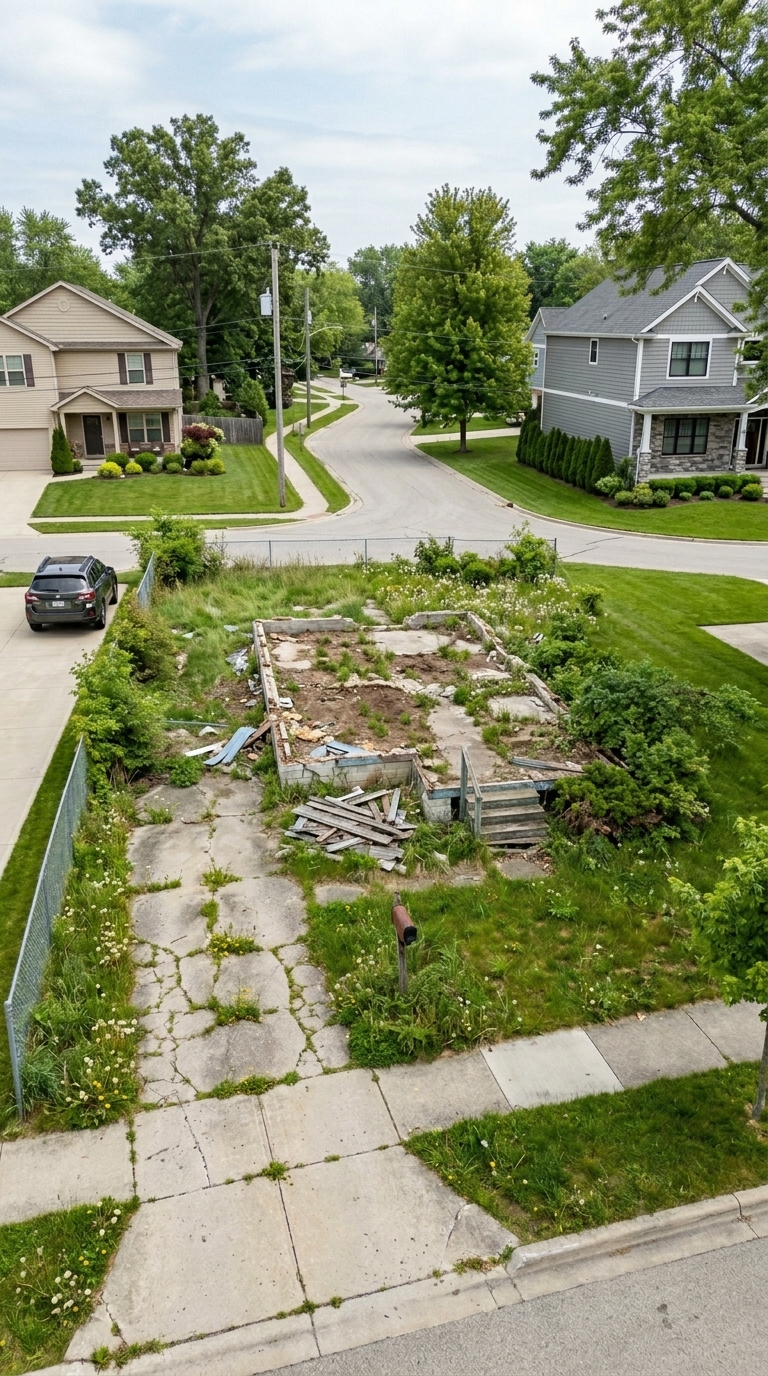
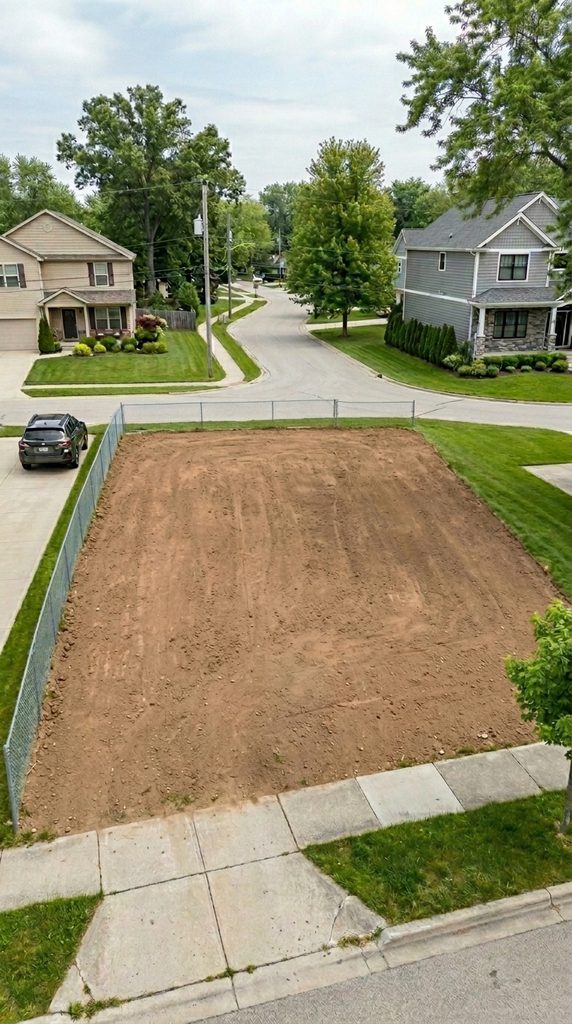
The demolition process took time, but once the old house was removed, the property finally began to show its real potential. We cleared debris, removed damaged foundations, cleaned the vegetation, leveled the ground, and prepared the entire lot for the next stage of the project.
For the first time, we could actually imagine what our future home might look like.
Rather than building a traditional expensive house, we chose a far more affordable and practical solution — transforming a shipping container into a modern tiny home. After planning the layout and preparing the site, we brought in the container that would become the base of the entire project.
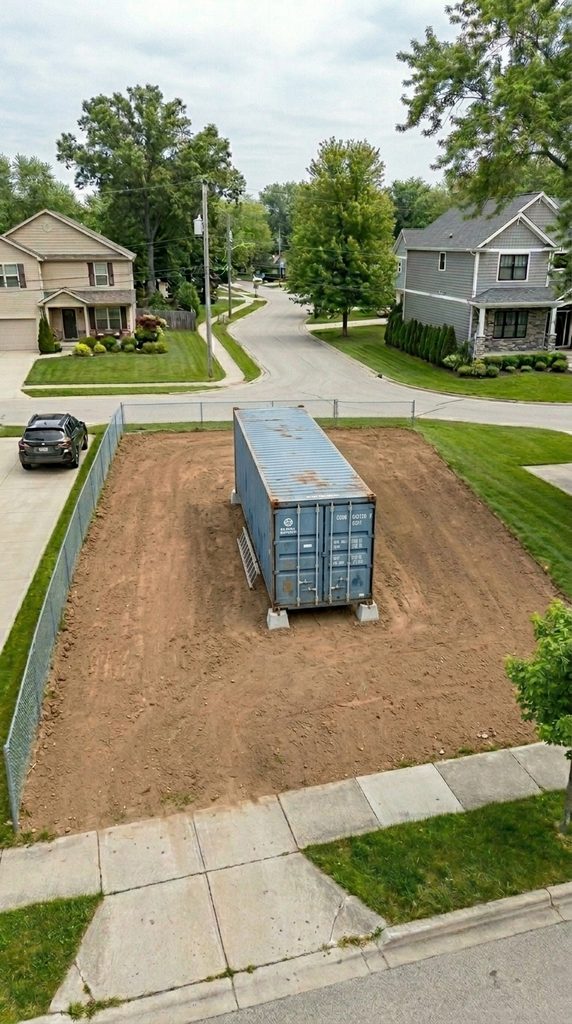
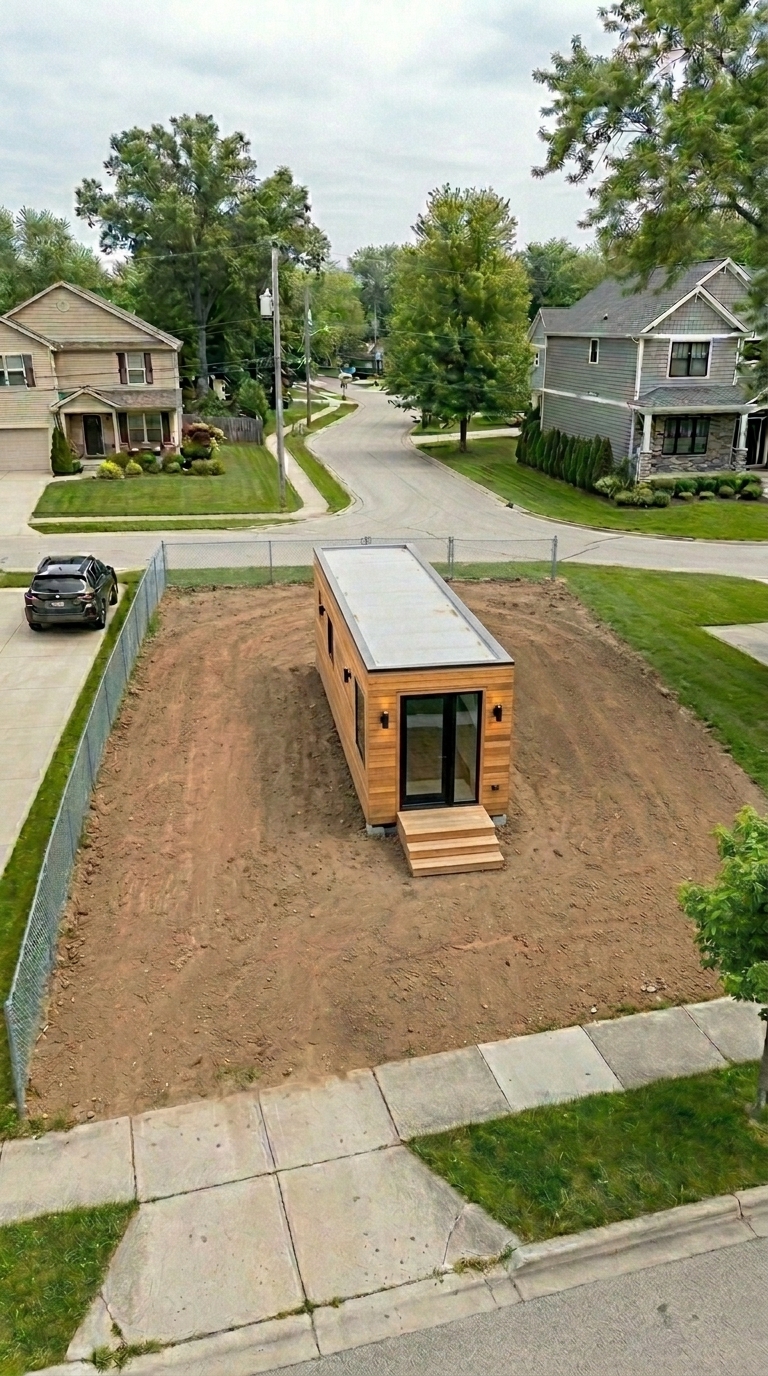
Instead of placing it directly on the ground, we installed the container on reinforced concrete piles. This gave the structure better stability, protected it from ground moisture, improved drainage during rain, and created airflow underneath the container to help prevent long-term corrosion. Raising the container slightly above the surface also made the future utility connections much easier to organize.
Once the container was positioned, the empty lot instantly started looking like a real construction project rather than an abandoned property. Even though it was just a single steel container standing in the middle of cleared land, it already represented something much bigger for us — the beginning of our own affordable home.
At this stage, the property still looked extremely simple: bare soil, fences, and one industrial container placed carefully on concrete supports. But this was exactly how the transformation started. Step by step, the abandoned lot slowly began turning into a functional living space built entirely with a limited budget and our own ideas.
From this point forward, every improvement would gradually bring the project closer to becoming a fully finished container home. Large windows, insulation, utilities, interior walls, solar panels, landscaping, and outdoor areas would all come later. But installing the container itself was the moment when the vision finally became real.
What used to be an old forgotten property in the neighborhood was now the foundation for an entirely new lifestyle focused on affordability, independence, and building something we could truly call our own.
We Insulated the Container, Added the Exterior Facade, Installed Solar Panels, and Connected All Utilities
Once the shipping container was securely installed on the concrete piles, the real transformation finally began. At that point, it still looked like a simple industrial steel box sitting in the middle of an empty lot. But step by step, we started turning it into an actual home designed for comfortable everyday living.
The first major task was insulation. Since metal containers heat up quickly in summer and lose heat fast during cold weather, proper insulation was one of the most important parts of the entire project. We built a full insulated frame around the container to create a thermal barrier that would make the interior energy efficient and comfortable year-round.
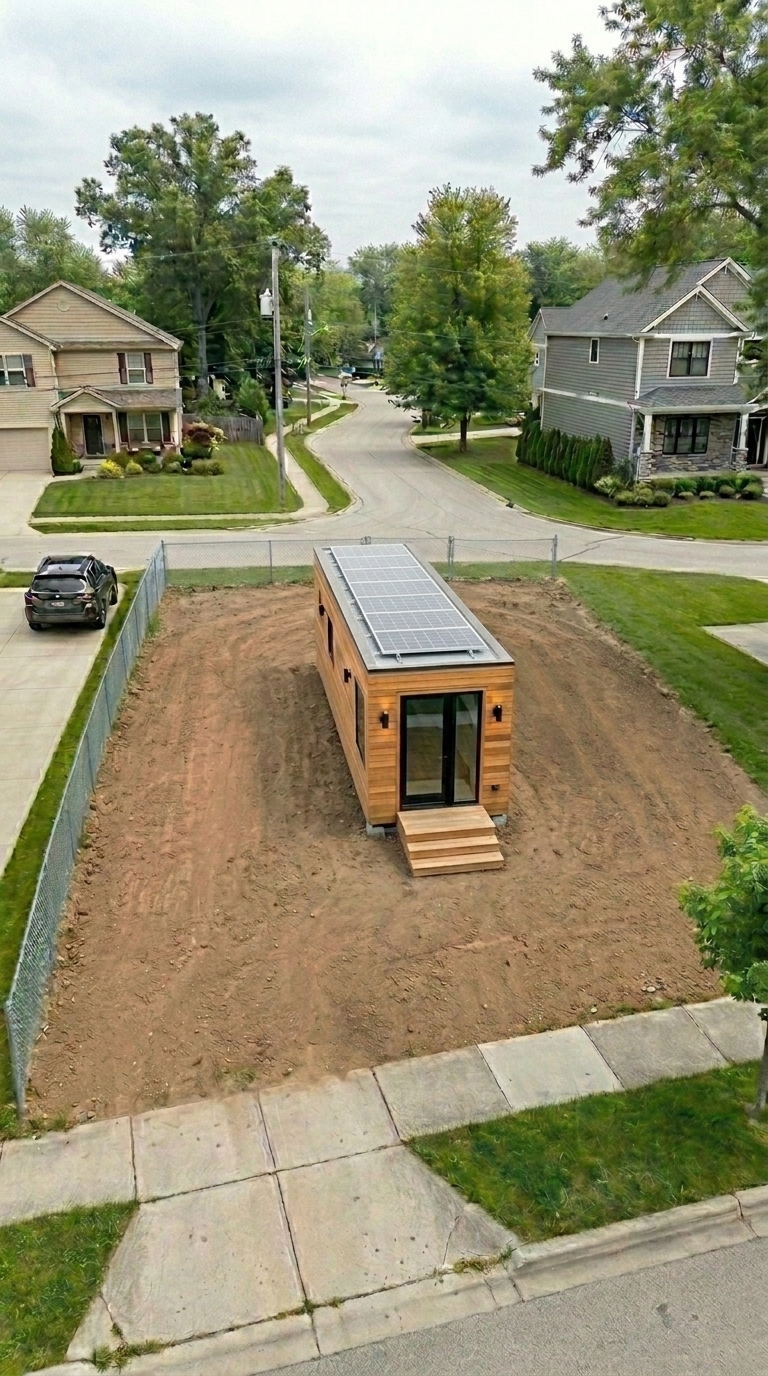
After insulating the walls and roof, we covered the entire structure with a modern exterior facade. Instead of leaving the raw industrial metal visible, we chose warm wooden cladding to make the container feel more like a real cozy house. The difference was incredible. What once looked like a cargo container immediately started resembling a modern tiny home that blended naturally into the neighborhood.
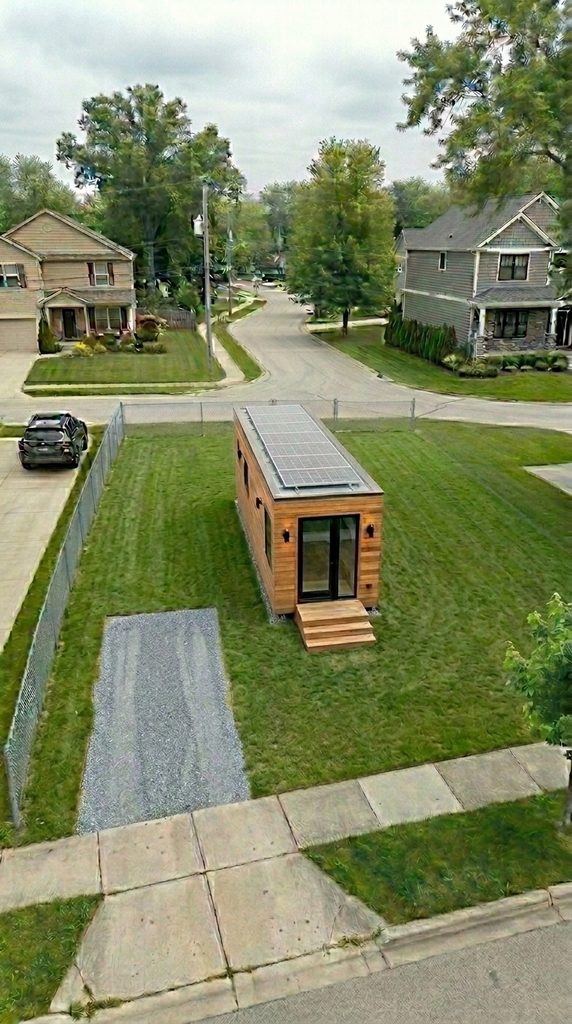
At the same time, we began preparing the property for independent living and lower future expenses. To reduce electricity costs as much as possible, we installed solar panels on the roof of the container. Even though the system is relatively compact, it allows us to generate part of our own electricity and rely less on traditional utility bills.
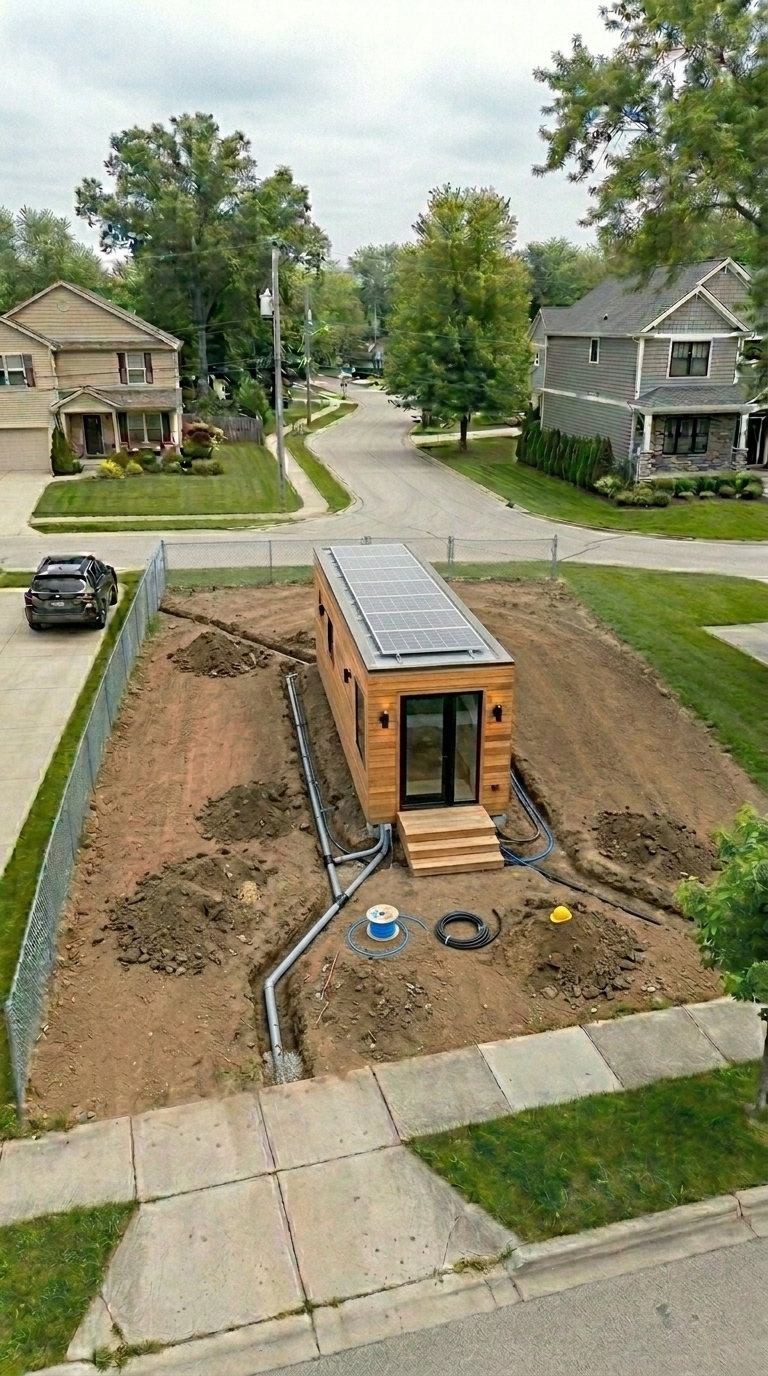
One of the hardest stages of the project was connecting all the necessary communications. We had to dig trenches across the property to install water lines, sewer connections, electrical cables, and drainage systems. Most of the work involved heavy physical labor, careful planning, and making sure every utility was connected properly before landscaping could begin.
Slowly, the empty construction site started turning into a real residential property. The combination of insulation, exterior finishing, renewable energy, and working utilities completely changed the atmosphere of the project. For the first time, it no longer felt like an experiment — it actually felt like a future home.
As more details were added, the container became warmer, quieter, and far more comfortable inside. The facade gave it character, the solar panels added energy independence, and the underground utilities made everyday life possible just like in a normal house.
What started as an abandoned lot with a single steel container was now evolving into a fully functional budget home built almost entirely through smart planning, practical decisions, and a desire to escape endless rent payments.
We Planted Thuja Trees, Added a Lawn, and Built a Driveway for the Car
After finishing the main construction work on the container home, we moved on to one of the most satisfying stages of the entire project — transforming the empty construction site into a real cozy yard where we could actually enjoy spending time.
At this point, the container already had insulation, a wooden facade, solar panels, and all the necessary utilities connected underground. But the property itself still felt unfinished. The ground around the house was mostly bare soil and gravel left over from construction work, so the next goal was making the area feel more alive and comfortable.
The first thing we focused on was privacy.
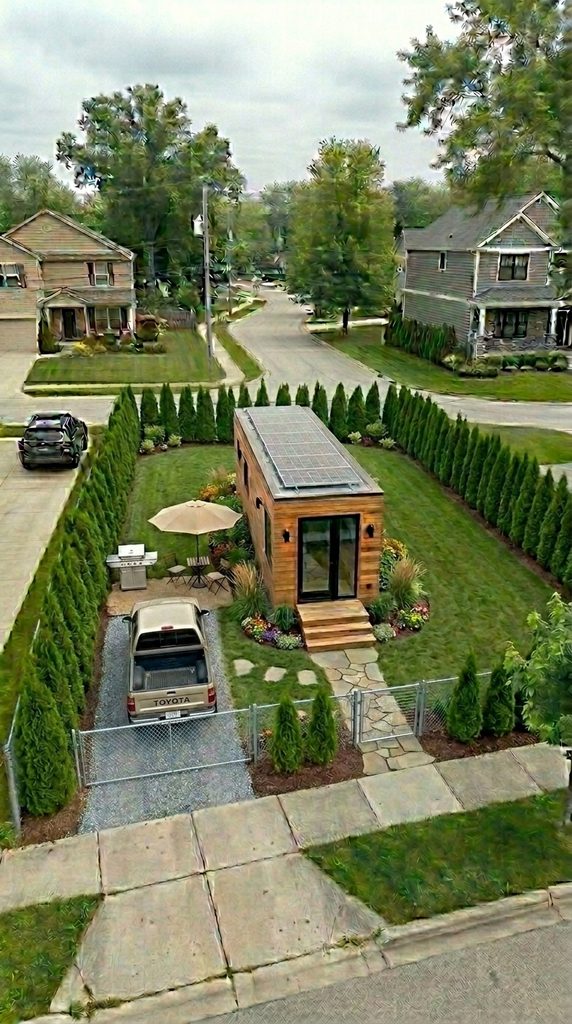
Because the property is located in a normal residential neighborhood surrounded by larger traditional houses, we wanted to create a natural green barrier around the yard. To do that, we planted rows of thuja trees along the fence line surrounding the property. Right now the trees are still relatively small, but over the next few years they will grow into a dense green wall that will provide privacy, reduce noise, and completely change the atmosphere of the yard.
Even at this stage, the thuja trees already made the container home feel much more hidden and cozy compared to the open construction site it used to be.
After that, we prepared the entire property for landscaping and laid fresh green grass across the yard. The lawn instantly transformed the appearance of the project. What had once looked like an industrial construction area suddenly started feeling like a real home with a clean modern outdoor space.
We also created a gravel driveway for the car leading directly from the street to the container house. Instead of spending a huge amount of money on expensive concrete work, we chose a much more affordable gravel solution that still looks clean, practical, and fits the minimalist style of the project perfectly.
Near the entrance to the house, we added a simple pathway and small decorative landscaping elements to make the exterior feel warmer and more welcoming. Around the container, we planted flowers, ornamental grasses, and small bushes that softened the modern geometric look of the structure and blended it naturally into the neighborhood.
To make the outdoor area more functional, we also built a small barbecue and seating space where we can relax outside during warm evenings, cook food, and spend time with friends. Even though the property is compact, careful planning allowed us to use every part of the yard efficiently without making it feel crowded.
The transformation at this stage was incredible.
Only a short time earlier, this property was an abandoned lot with an old collapsing house. Now it had become a clean modern tiny-home project with solar panels, fresh grass, a private yard, natural greenery, and a comfortable outdoor space.
Little by little, the container house stopped looking like a temporary experiment and started feeling like a real dream home built with our own hands and ideas.
We Finished the Interior and Turned the Container Into a Real Home
After months of demolition, construction, insulation, utility work, and landscaping, we finally reached the stage we had been waiting for the most — finishing the interior of the container home.
Up until this point, the project still felt like a construction site. But once the inside started coming together, the container finally began transforming from a steel structure into an actual comfortable living space.
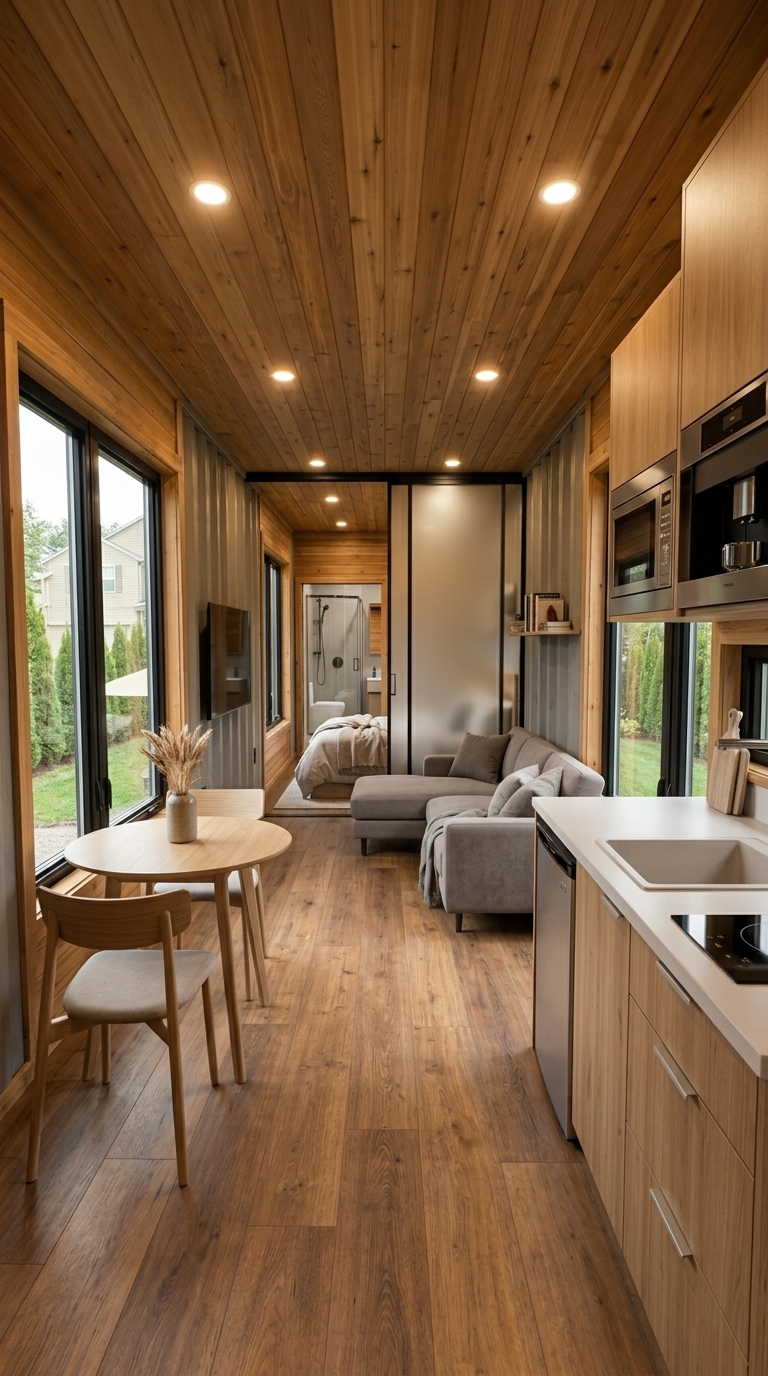
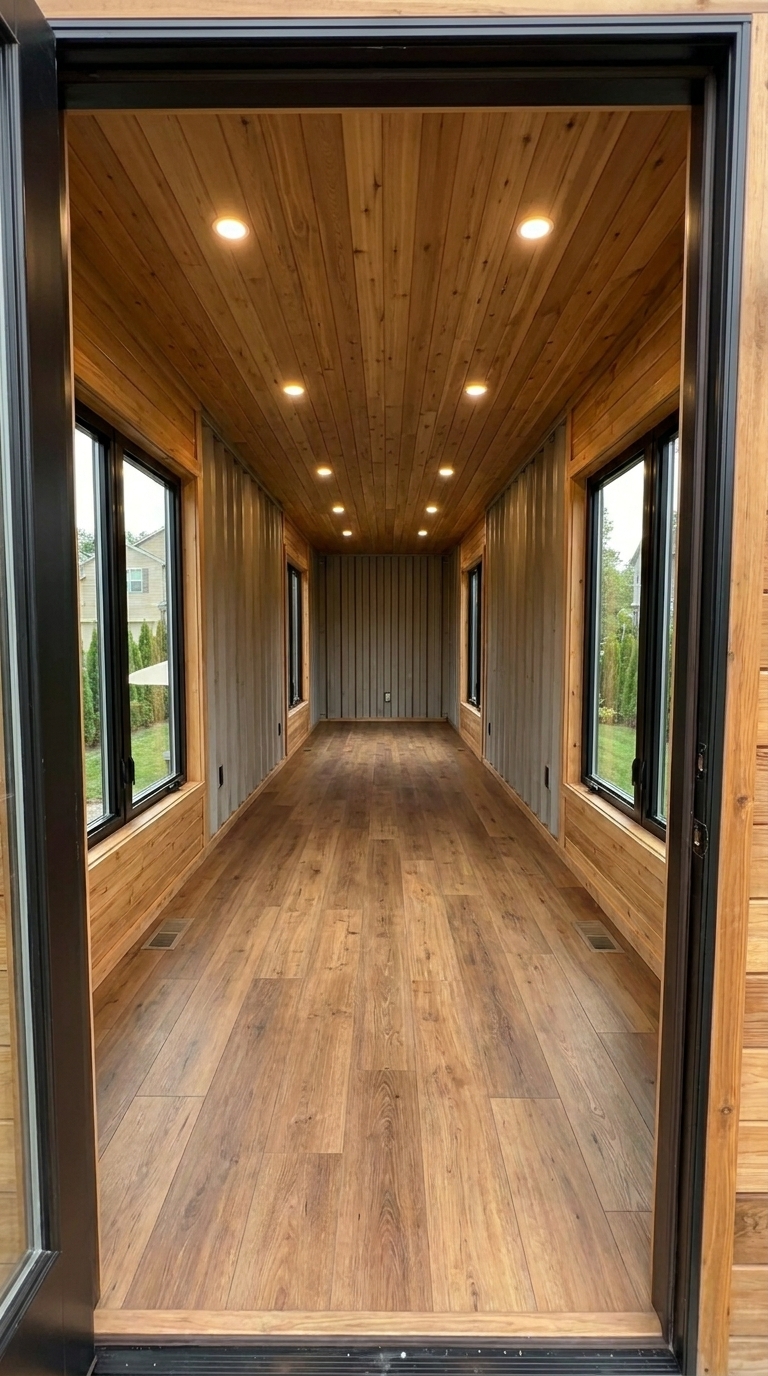
The first goal was making the interior feel warm, open, and modern despite the compact size of the container. To achieve that, we used natural wood finishes across the ceiling and parts of the walls, which immediately made the space feel much more cozy and welcoming. Combined with the large panoramic windows, the interior suddenly felt brighter and far larger than we originally expected.
One of the biggest advantages of the container layout was the long open floor plan. Instead of separating everything with heavy walls, we designed the space to feel clean and minimalistic while still fitting all the essentials needed for everyday life.
Inside the container, we managed to create a fully functional kitchen with built-in appliances, storage cabinets, a sink, and enough workspace for cooking comfortably. Next to the kitchen, we placed a compact dining table and a small living area with a sofa where we can relax, watch movies, or simply enjoy the natural light coming through the windows.
At the far end of the container, we designed a separate bedroom area that feels surprisingly private despite the limited square footage. Sliding partitions help divide the space without making the interior feel cramped. Right behind the bedroom, we even managed to fit a complete bathroom with a shower, sink, and toilet.
Lighting also played a huge role in the atmosphere of the home. Recessed ceiling lights combined with warm wood textures created a soft modern look that feels much more expensive than the actual project budget.
One of the most satisfying moments was seeing how the large windows completely changed the feeling inside the container. Instead of feeling narrow like a metal box, the house now feels connected to the outdoor space and natural light throughout the entire day.
Careful planning allowed us to use almost every square meter efficiently. Hidden storage spaces, compact furniture, and built-in elements helped maximize functionality without overcrowding the interior. Even though the home is small, it contains everything necessary for comfortable full-time living.
What makes the project even more special for us is that almost everything was built on a limited budget. Instead of spending years saving for a traditional expensive house, we created a modern tiny home that feels personal, practical, and fully ours.
Looking back at the abandoned property we originally bought, it’s hard to believe how much changed in such a short time. What once was an old collapsing house is now a clean modern container home with solar panels, a private yard, natural landscaping, and a fully finished interior designed for real everyday life.
And honestly, this is only the beginning of the project.
From an Abandoned House to a Modern Container Home: How We Built Our Dream Tiny House for Under $60,000
Like many people, we got tired of paying rent every single month and watching our money disappear into housing that would never actually belong to us. Instead of continuing to spend thousands of dollars every year on an apartment, we decided to try something completely different — building our own affordable container home from scratch.
Everything started when we found an old abandoned house sitting on a neglected property in a quiet neighborhood. The building itself was completely ruined, but the land had potential. Surprisingly, the entire property cost us about the same as one year of apartment rent, so we decided to take the risk and start our own budget home project.
The first thing we did was demolish the old house and clear the entire lot. We removed debris, cleaned the overgrown yard, leveled the land, and prepared the property for construction. Once the site was ready, we delivered a shipping container that would become the foundation of our future home.
To protect the container from ground moisture and improve stability, we installed it on reinforced concrete piles slightly above the surface. At first it looked like a simple steel box sitting in the middle of an empty yard, but step by step the transformation slowly began.
We insulated the entire structure to make it energy efficient and comfortable during all seasons. After that, we covered the container with a wooden exterior facade which completely changed the appearance of the project and made it feel more like a modern tiny house instead of industrial cargo equipment.
Large panoramic windows and glass doors brought natural light into the interior and visually expanded the small space. To reduce future electricity costs, we also installed solar panels on the roof so the house could partially power itself.
One of the most difficult stages was connecting all the communications. We dug trenches and installed water lines, sewer systems, drainage, and electrical connections to make the container fully functional for everyday living.
After the construction work was finished, we focused on landscaping and turning the property into a real cozy home. We planted rows of thuja trees around the perimeter to create future privacy, laid fresh grass across the yard, built a gravel driveway for the car, and added a small outdoor barbecue area to relax outside.
Inside the container, we carefully designed every part of the space to fit everything we needed. Even with the compact layout, we managed to create a full kitchen, a small dining area, a comfortable living room, a separate bedroom, and a bathroom with a shower and toilet. Warm wood finishes and hidden storage solutions helped make the interior feel modern, clean, and surprisingly spacious.
The most important part of the project is that we built almost everything on a relatively small budget.
Approximate project expenses:
- Property with abandoned house: $20,000–25,000
- Demolition and land cleanup: $3,000–5,000
- Shipping container: $3,500–5,000
- Concrete piles and installation: $1,500–3,000
- Insulation and wooden facade: $5,000–8,000
- Windows and doors: $2,500–5,000
- Solar panel system: $4,000–6,000
- Water, sewer, drainage, and electrical utilities: $5,000–8,000
- Interior finishing, kitchen, bathroom, lighting, furniture: $8,000–12,000
- Landscaping, lawn, driveway, thuja trees, outdoor area: $2,000–4,000
Estimated total cost: approximately $50,000–60,000.
Compared to modern housing prices and years of paying rent, building this container home completely changed the way we think about living. Instead of waiting decades to afford a traditional house, we created a small modern home that is fully ours, costs less to maintain, and gives us far more freedom.
What started as an abandoned property slowly became our own cozy dream home built with creativity, patience, and a limited budget.
And honestly, this is only the beginning.
This is an architectural concept visualization and not a real construction project.




Leave a Reply