How Much Would It Cost to Build a Private Forest Island Homestead?
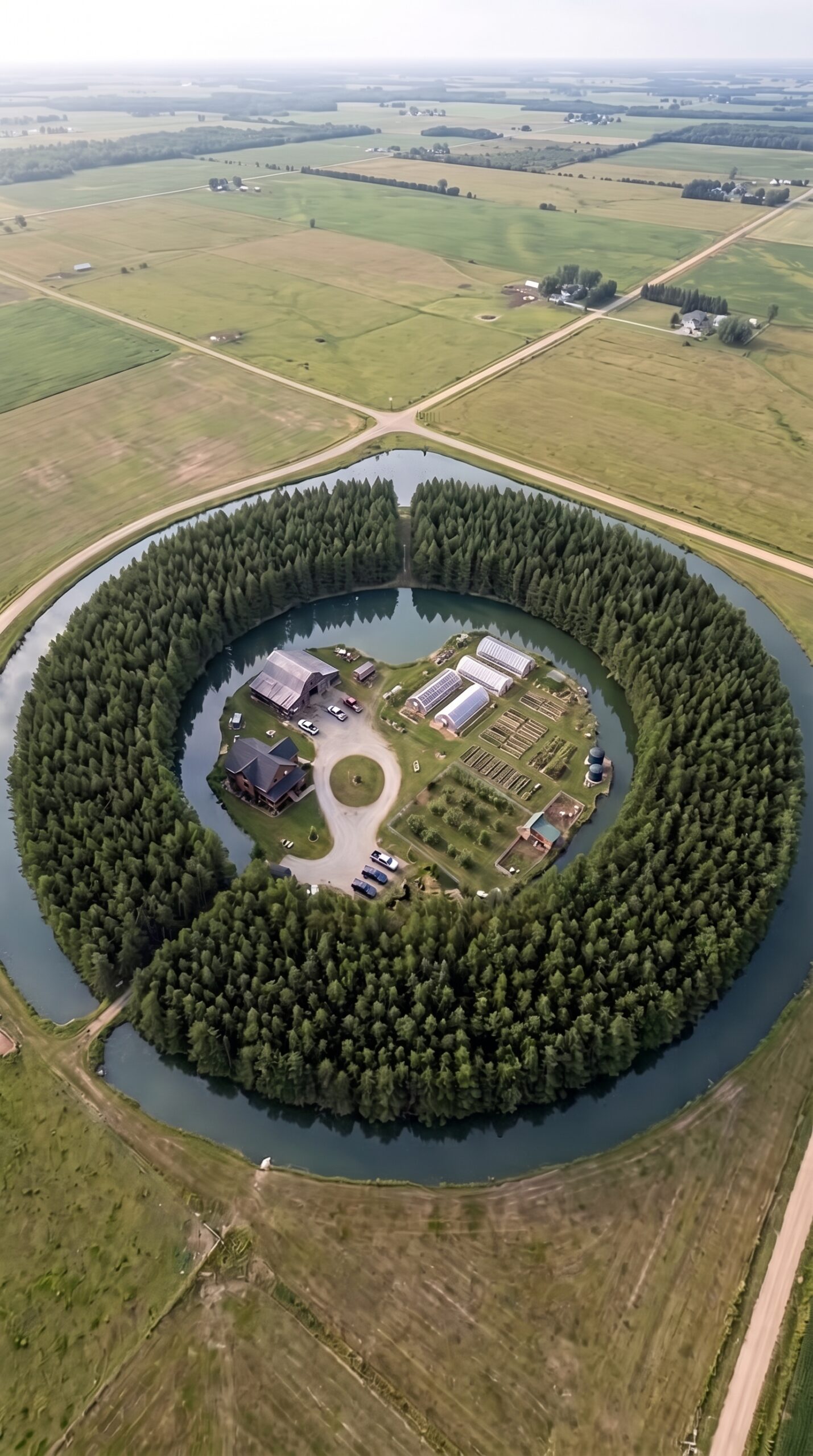
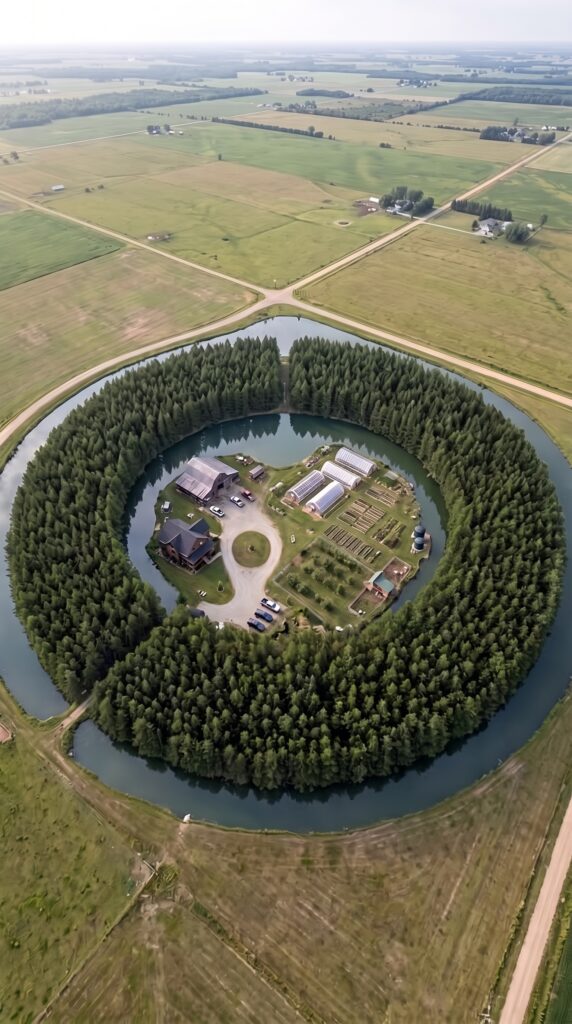
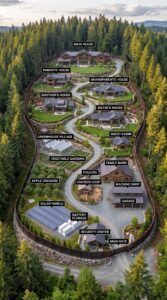
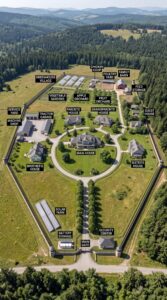
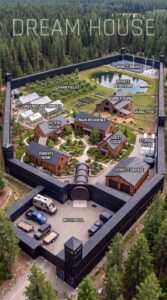
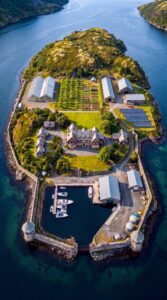
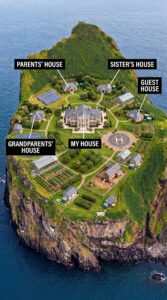
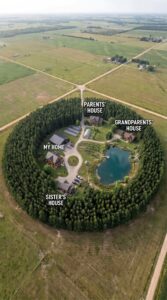
Imagine owning a private piece of forest surrounded by water, with a comfortable family home, its own dock, vegetable gardens, fruit trees, and greenhouses. A narrow access road would connect the property to the outside world, while the surrounding water and trees would create a secluded setting far from busy roads and neighboring houses.
This type of property could combine the atmosphere of a private island retreat with the practicality of a small self-sufficient homestead. The house would serve as the center of everyday life, while the greenhouse and gardens would provide fresh produce, the orchard would supply seasonal fruit, and a chicken coop could provide fresh eggs. The lake would offer opportunities for fishing, including fish and crayfish where the ecosystem and local regulations allow.
The biggest challenge is creating the island itself. If the property does not already have a suitable lake or natural water channel, substantial excavation and water-management work may be required. The estimate below assumes a relatively affordable rural construction market in Eastern Europe, standard-quality finishes, and favorable ground conditions. It also assumes a modest water ring around the property, not a massive artificial reservoir.
1. Remote Forest Land — $30,000
The first purchase would be a rural forest parcel of approximately 3–5 acres, depending on the location and final layout. Ideally, the land would have existing trees, road access, and a relatively level area where the house and growing facilities could be built.
Land prices vary substantially between countries and regions. The budget assumes a remote property away from popular tourist destinations and major cities. Before purchasing, the owner would need to confirm that residential construction and the proposed waterworks are legally permitted.
2. The Main Family House — $190,000
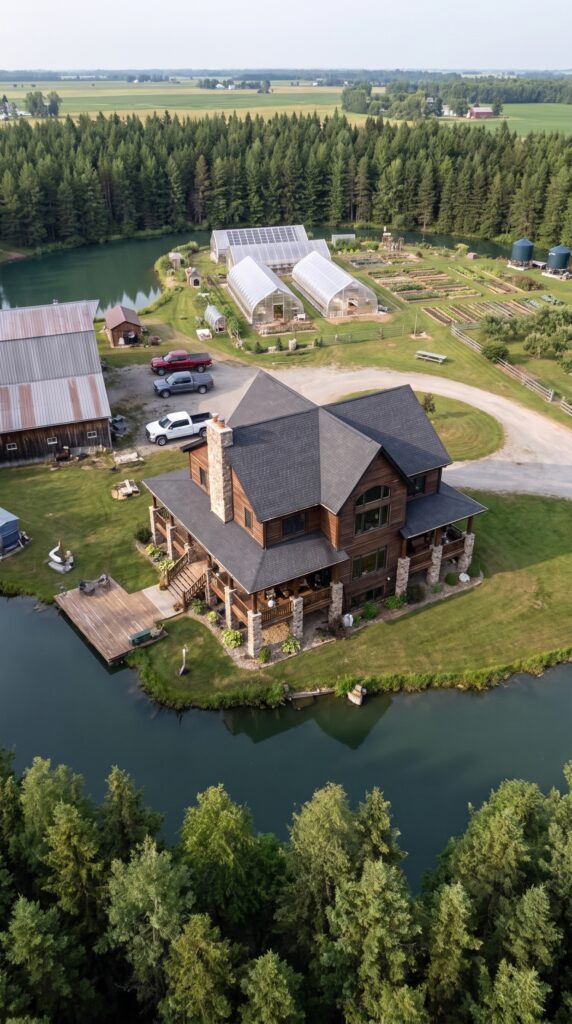
The main residence would be a comfortable timber-style house with approximately 180–200 square meters of interior space. Natural wood siding, a durable pitched roof, large windows, a practical kitchen, several bedrooms, bathrooms, and a spacious living area would create a warm, functional home.
A covered porch or terrace would provide a place to relax while overlooking the water and surrounding forest. Rather than using expensive imported materials or elaborate architectural details, the house could use locally available timber, stone accents, standard insulation, and durable mid-range finishes.
This estimate assumes an ordinary, well-built family home rather than a luxury mansion.
3. Creating the Surrounding Lake — $145,000
The most distinctive feature of the property would be the water surrounding the forested island. If a suitable natural water body already exists, the work might mainly involve improving the shoreline, shaping the access channel, and creating a stable route onto the property.
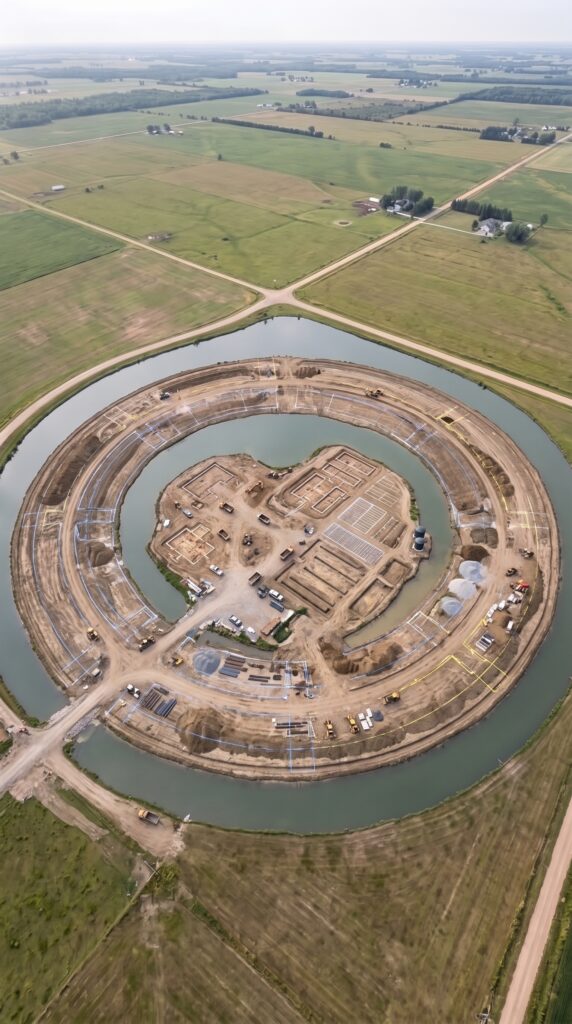
If the water must be created from dry land, the project would require excavation, earthmoving, shaping the banks, drainage, and measures to retain water. Local soil conditions would determine whether the ground naturally holds water or requires additional engineering.
The estimate assumes favorable terrain and a modest artificial lake or surrounding channel. It does not cover the construction of a large, deep reservoir, a major dam, or extensive rock excavation.
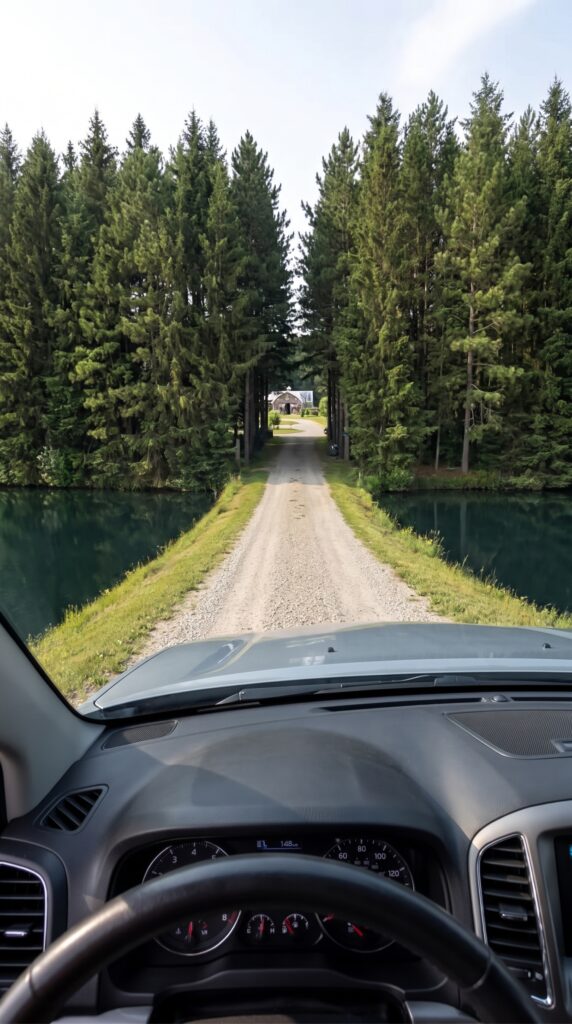
4. Access Road and Causeway — $35,000
A narrow road would lead across the water to the island, allowing family members and service vehicles to reach the property. The causeway would need a stable foundation, appropriate drainage, and carefully designed banks where the road meets the water.
The remaining access route would use compacted gravel or another practical rural road surface. This approach is generally more economical than paving every road and path with asphalt or decorative stone.
The budget assumes a relatively short causeway and no unusually complex bridge construction.
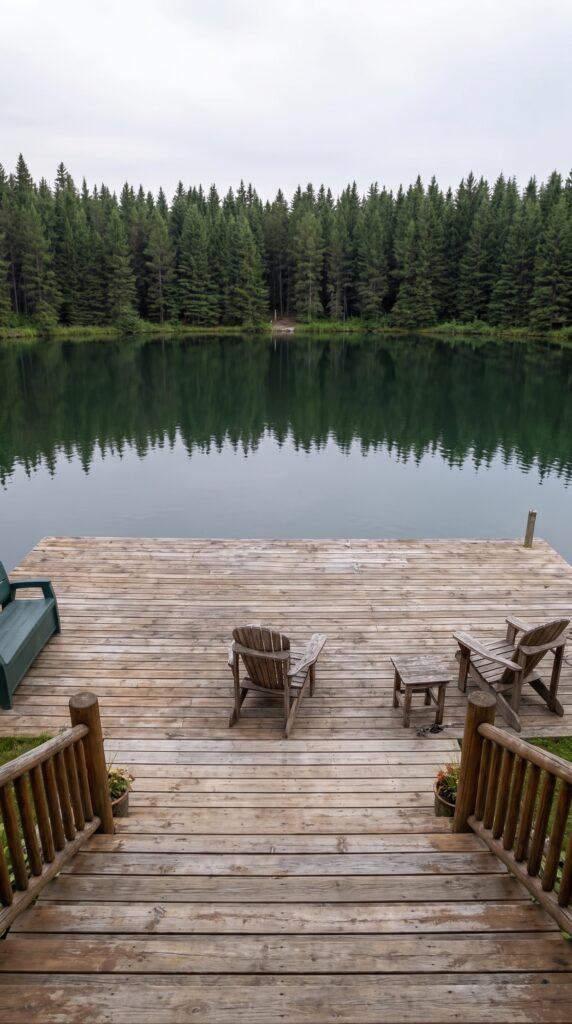
5. Private Dock — $5,000
A simple wooden dock would extend from the shore into the lake, creating space for fishing, sitting beside the water, and launching a small boat if local conditions permit.
Pressure-treated timber, basic supports, steps, and a few outdoor chairs would be enough to create a comfortable waterfront area. The design would prioritize durability and easy maintenance rather than an elaborate marina or large boat platform.
6. Greenhouses and Mushroom-Growing Area — $5,000
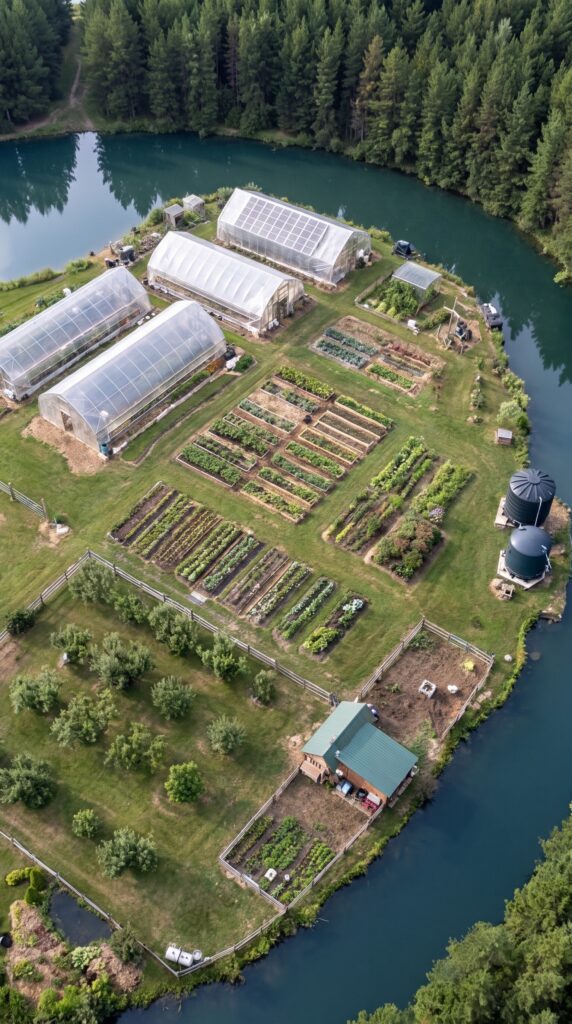
A few affordable greenhouse structures could support vegetables such as cucumbers, tomatoes, leafy greens, and herbs. Simple tunnel greenhouses with plastic covering or basic polycarbonate panels would keep construction costs low.
A small, separate growing area could be adapted for mushrooms such as oyster mushrooms. Mushroom cultivation requires different humidity, ventilation, and temperature conditions from ordinary vegetable growing, so it would need a suitable enclosed setup.
This is a modest household growing system, not a commercial greenhouse operation with extensive automated climate control.
7. Vegetable Gardens and Irrigation — $1,500
Raised beds or simple ground-level planting rows would provide space for seasonal vegetables. The initial budget includes soil improvement, seeds, basic tools, hoses, and a straightforward irrigation setup.
The gardens could grow potatoes, onions, beans, carrots, cabbage, greens, and other crops suited to the local climate. Compost produced from plant waste could gradually improve the soil and reduce the need to buy fertilizers.
8. Fruit Orchard — $1,000
A small orchard of locally suitable fruit trees would add another source of food to the property. Depending on the climate, the owner could plant apples, pears, plums, cherries, or other varieties that grow well in the region.
The estimate covers young trees, basic planting materials, and initial soil preparation. The orchard would need several seasons to mature, and harvest quantities would depend on weather, pollination, and care.
9. Chicken Coop and Run — $1,500
A simple timber chicken coop with a covered shelter, nesting boxes, perches, feeders, and a fenced outdoor run would provide space for a small flock.
Using standard timber, wire mesh, and a straightforward roof keeps the cost manageable. This setup is intended for household egg production rather than a large poultry operation.
Together, the greenhouse, gardens, orchard, and chicken coop would cost approximately $9,000 under this budget.
10. Well, Water Storage, and Filtration — $15,000
Although the property is surrounded by water, lake water should not automatically be treated as drinking water. A separate well or another approved source, storage tanks, pumps, and suitable filtration would provide a more dependable household water supply.
Rainwater collection could supplement irrigation and other appropriate non-drinking uses. The final system would depend on groundwater availability, water quality, local regulations, and the number of people living at the property.
The estimate assumes the site has a reasonably accessible water source and does not require an unusually deep or technically difficult well.
11. Wastewater and Septic System — $10,000
A rural home needs an approved way to handle wastewater. Depending on local requirements and soil conditions, this could be a septic tank with a suitable drainage system or another permitted small-scale wastewater solution.
Proper placement is especially important when a property is surrounded by a lake. The system must protect groundwater and prevent untreated wastewater from entering the surrounding water body.
The allowance assumes a conventional installation suited to a single family home and favorable ground conditions.
12. Electricity and Basic Backup Power — $10,000
The house and growing areas would need reliable electrical service for lighting, refrigeration, water pumps, and everyday appliances. The budget includes a basic electrical installation and a modest backup generator for occasional outages.
The exact cost depends on whether a grid connection is available nearby. If the property requires a long new power line or a fully independent solar-and-battery system, the electrical budget would need to increase.
13. Storage Shed — $7,000
A small utility shed would hold gardening tools, greenhouse supplies, outdoor equipment, fishing gear, and seasonal items. A simple timber or metal structure with a secure door would be sufficient for everyday use.
Keeping tools and supplies in a separate building would also help the house remain uncluttered and make garden maintenance more convenient.
14. Paths and Basic Landscaping — $8,000
The property would be connected by simple paths between the house, dock, greenhouses, orchard, and gardens. Gravel paths, a small number of stepping stones, grass, shrubs, and basic shoreline planting would help the different areas feel like one coherent homestead.
Landscaping around the water would prioritize practical access and erosion control. The estimate does not include extensive retaining walls, elaborate stone terraces, or expensive ornamental gardens.
15. Surveys, Design, and Permits — $25,000
Before construction, the project would require a site survey, house plans, engineering for the waterworks and causeway, and any necessary environmental assessments and permits.
Creating or modifying a large water body can be subject to environmental, drainage, water-management, and land-use rules. The owner would need approval before excavating the surrounding channel or changing how water moves across the site.
This allowance covers a relatively straightforward project. Extensive environmental studies, complex licensing, or major engineering requirements could add significantly to the cost.
16. Contingency Reserve — $80,000
A remote island property has more uncertainty than a straightforward rural house. The reserve would cover unexpected soil conditions, extra drainage, changes to the shoreline, material-price fluctuations, and small changes required during construction.
The largest risk is the lake itself. If excavation reveals rock, unstable soil, or a need for extensive water-retention engineering, the project may require more money than anticipated.
Keeping a reserve is therefore essential rather than optional.
Final Cost Breakdown
Component
Estimated Cost
Forest land
$30,000
Main family house
$190,000
Surrounding lake and waterworks
$145,000
Access road and causeway
$35,000
Private dock
$5,000
Greenhouses and mushroom-growing area
$5,000
Vegetable gardens and irrigation
$1,500
Fruit orchard
$1,000
Chicken coop and run
$1,500
Well, water storage, and filtration
$15,000
Wastewater and septic system
$10,000
Electricity and backup generator
$10,000
Storage shed
$7,000
Paths and landscaping
$8,000
Surveys, design, and permits
$25,000
Contingency reserve
$80,000
TOTAL ESTIMATED COST
$574,500
Could You Really Build a Private Forest Island for About $575,000?
A total budget of approximately $575,000 could be a reasonable preliminary target for this modest version of a private island homestead in a lower-cost Eastern European market. It includes the land, a comfortable family house, the surrounding waterworks, an access causeway, a dock, basic utilities, and small-scale food production.
The most expensive part is not the orchard or the greenhouses. It is creating the water around the property and building a dependable road across it. If a suitable natural lake already surrounds the land, the project could become considerably less expensive. If the entire lake must be excavated from dry ground, the waterworks may cost much more than this estimate.
The final price would depend on the location, land permissions, soil conditions, water availability, and the actual size and depth of the lake. A survey and preliminary engineering study would be the first steps toward turning the idea into a buildable project.
Would you choose a private forest island like this for your family, or would you prefer a regular lakeside property without the extra cost of creating an island?
This is an architectural concept visualization and not a real construction project.

Leave a Reply