Building the Ultimate Off-Grid Survival Lake Compound
Deep in the heart of a remote forest, surrounded by endless trees and untouched wilderness, we set out to create the ultimate self-sufficient survival retreat. The goal was simple: build a secure and autonomous property capable of supporting long-term living far away from modern infrastructure.
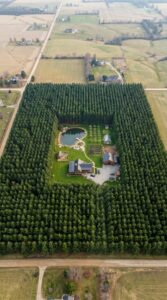
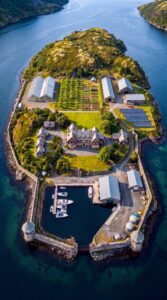
The project began with the purchase of a secluded lake featuring two small islands. After clearing the area, improving access routes, and preparing the land, construction of the compound could begin. One island was transformed into the main living area, while the second was dedicated entirely to food production and sustainability.
At the center of the property stands a large autonomous home designed for comfort and long-term survival. The residence combines modern living spaces with practical emergency preparedness, creating a secure environment capable of operating independently for extended periods. Large windows provide panoramic views of the lake while allowing natural light to fill the interior.
To ensure year-round food production, a spacious greenhouse was constructed on the neighboring island. Connected to the main living area, it allows the cultivation of vegetables, fruits, and fresh produce regardless of external conditions. This creates a reliable source of food while reducing dependence on outside supplies.
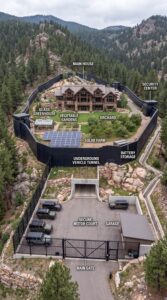
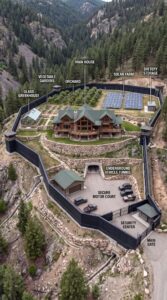
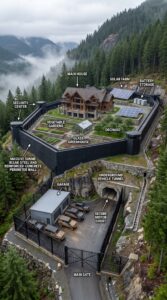
Security was a major priority throughout the project. The entire compound is protected by a perimeter defense system consisting of reinforced fencing, controlled access points, and observation positions. A dedicated entrance complex provides secure vehicle access while maintaining separation between the outside world and the protected living area.
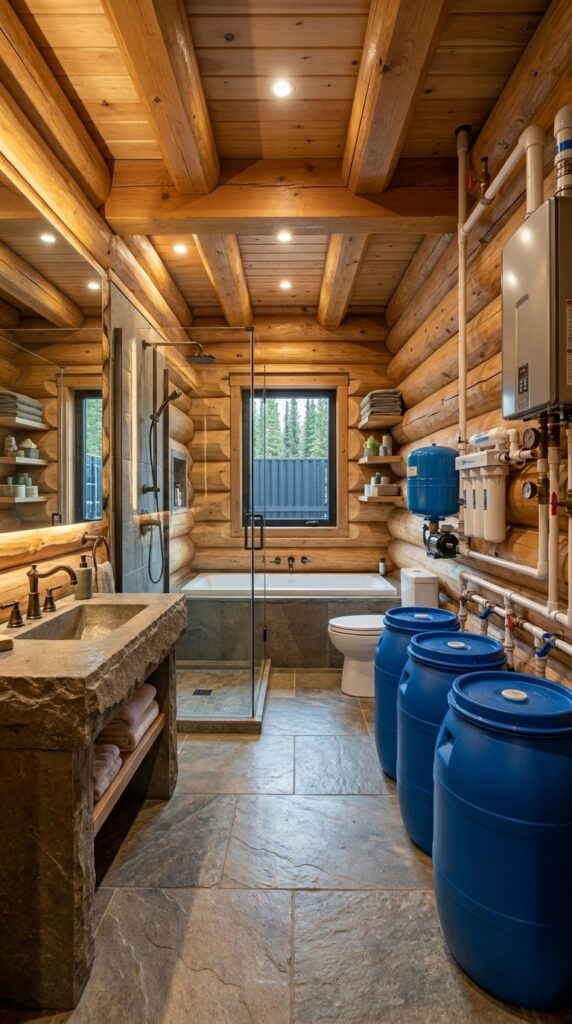
Renewable energy systems, water management infrastructure, storage facilities, and emergency reserves were integrated throughout the property to maximize independence and resilience. Every part of the compound was designed with long-term sustainability in mind.
The result is a unique off-grid lake fortress hidden within the forest — a private sanctuary that combines security, comfort, food production, and self-sufficiency into one complete survival compound. Whether used as a remote retreat, an emergency shelter, or simply a place to reconnect with nature, the property represents a vision of independent living on an entirely new scale.
Securing the Entrance: The Vehicle Checkpoint and Access Corridor
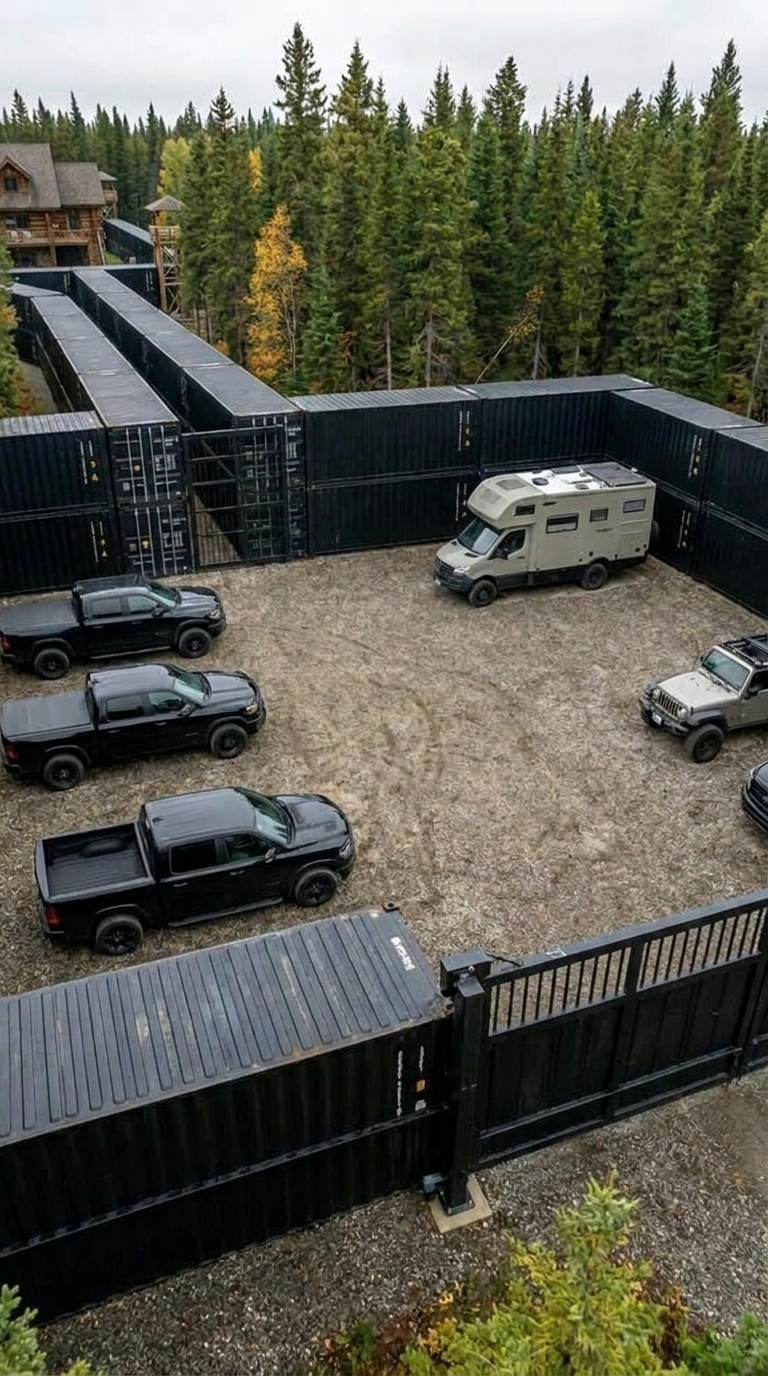
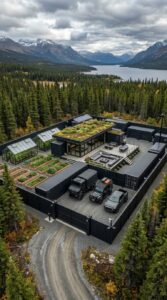
One of the most important parts of the survival compound is the entrance security system. Before reaching the main property, every vehicle must first pass through a dedicated checkpoint designed to control and monitor access to the protected area.
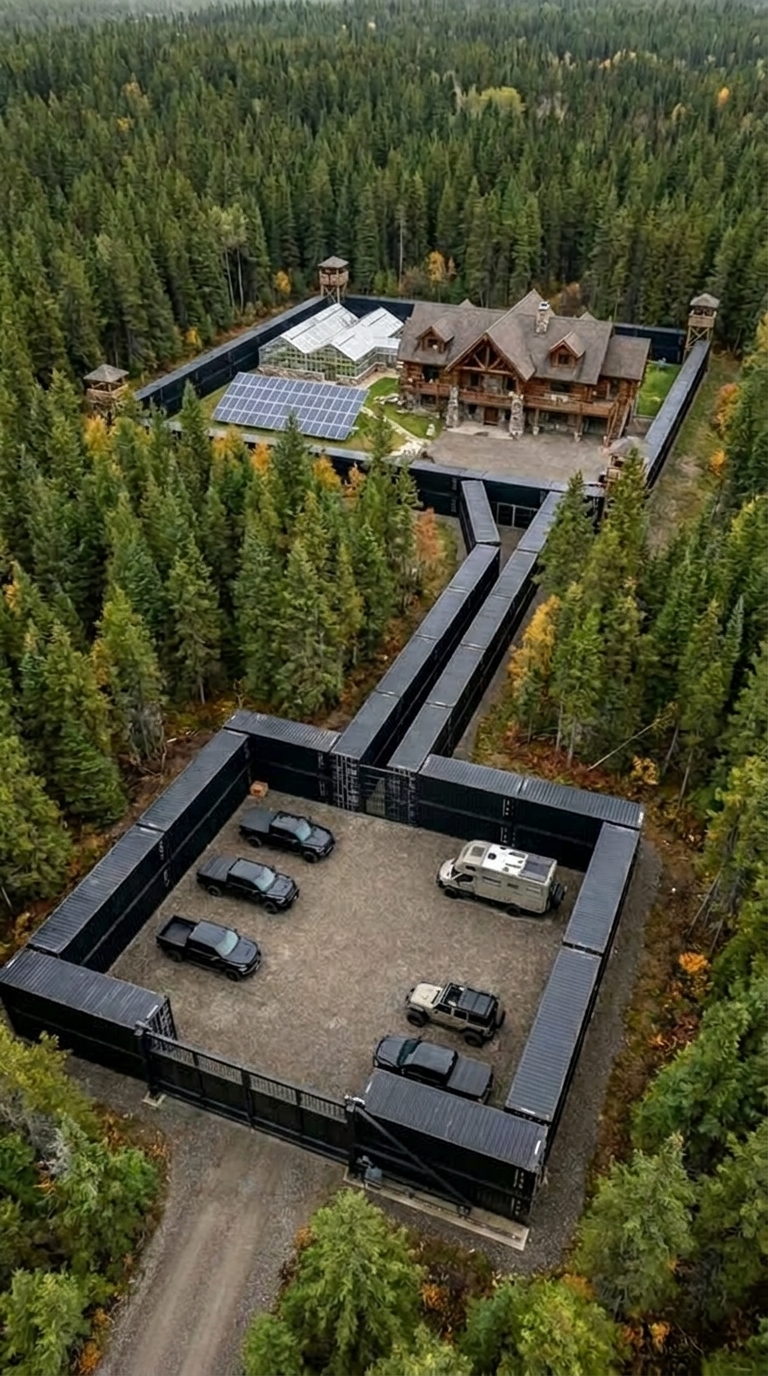
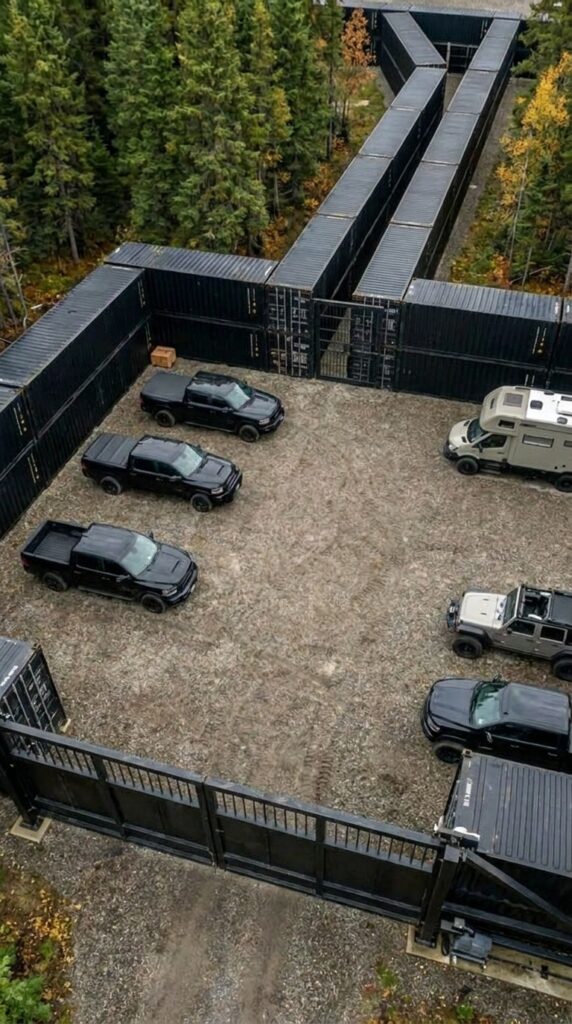
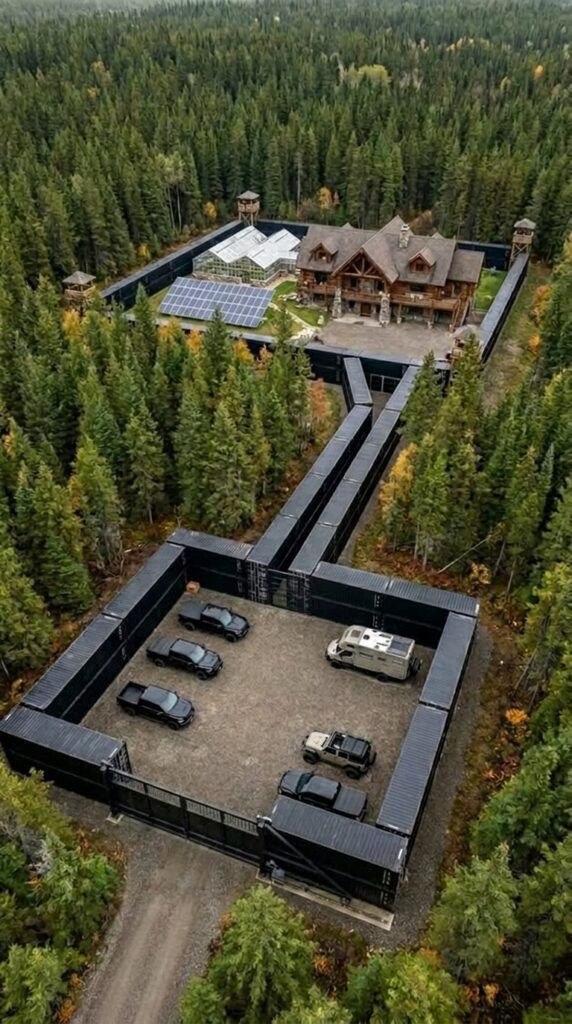
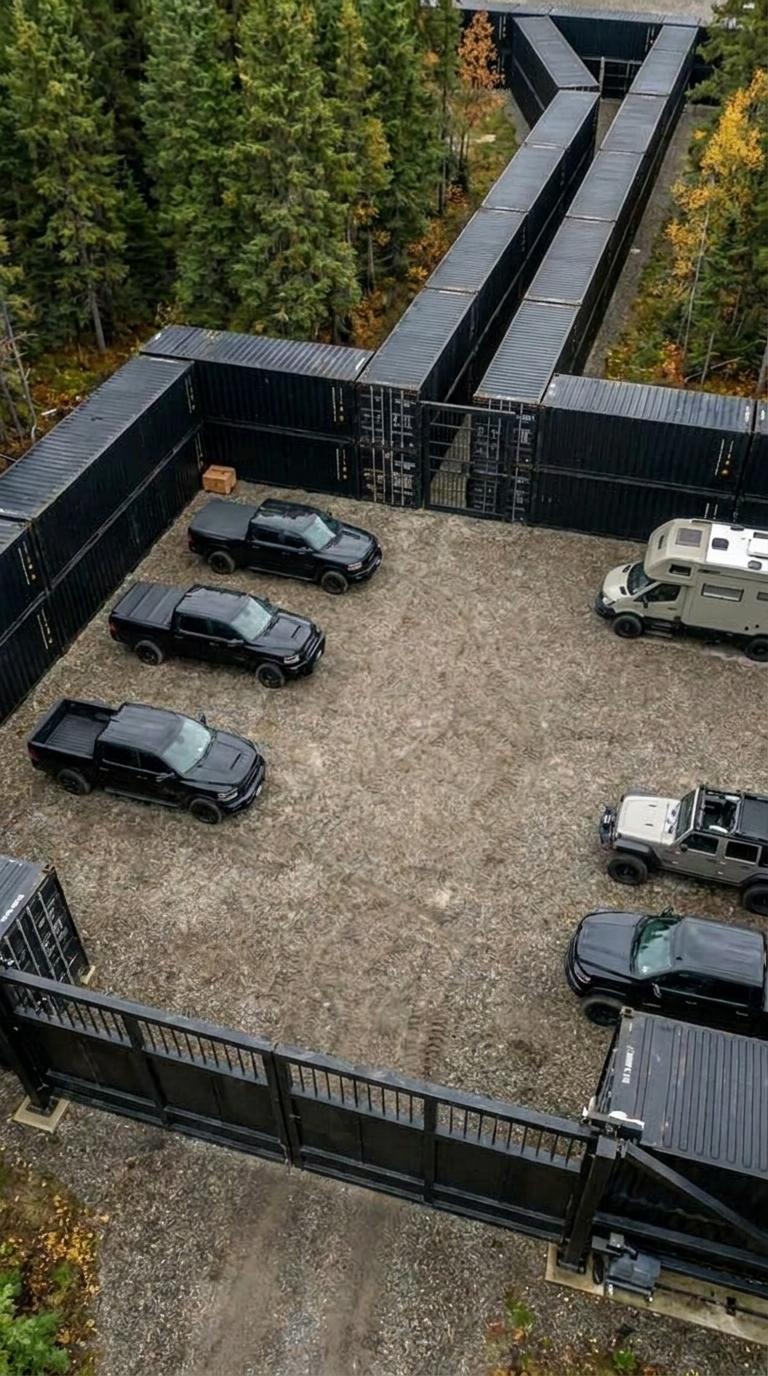
The entrance yard is surrounded by massive reinforced container walls that create a secure perimeter around the vehicle inspection zone. This area serves as the first layer of defense, allowing visitors, deliveries, or residents to enter a controlled environment before gaining access to the inner compound. The spacious courtyard provides enough room for multiple vehicles, emergency equipment, and temporary storage while remaining completely enclosed from the outside world.
A heavy duty automated gate controls entry into the checkpoint. Once a vehicle enters, the outer gate can be secured before access to the next section is granted. This layered approach prevents unauthorized vehicles from reaching the residential area and creates a controlled buffer zone between the wilderness and the main compound.
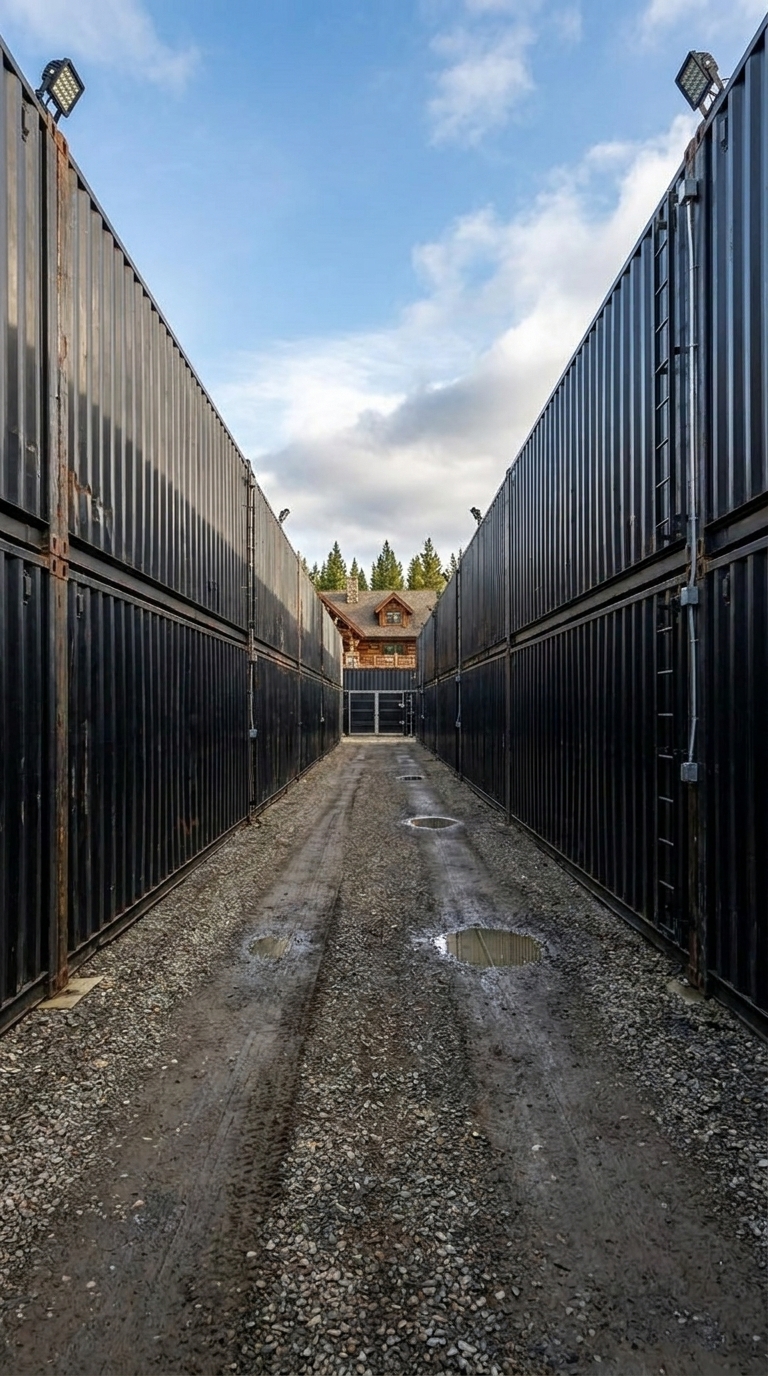
Beyond the checkpoint lies a long security corridor constructed entirely from stacked shipping containers. The high walls create a protected passageway leading directly toward the central living area. This corridor functions as a secure transit route, limiting visibility from the outside while directing all movement through a single controlled path.
Strategically placed lighting systems provide visibility during nighttime operations, while the elevated container walls offer additional protection from both environmental conditions and potential intrusions. The narrow design ensures that all traffic remains predictable and easy to monitor.
Together, the vehicle checkpoint and container corridor form a multi layer security system that protects the heart of the survival compound. Rather than allowing direct access to the property, every arrival must pass through carefully designed control zones before reaching the main courtyard. This creates a safer, more organized, and highly defensible environment while maintaining convenient access for residents and essential vehicles.
Sustainable Living: The Greenhouse and Solar Energy System
A true survival compound is not only protected by walls and security systems—it must also be capable of producing its own food and energy. To achieve complete independence, two critical components were added to the property: a large greenhouse complex and a high-capacity solar power system.
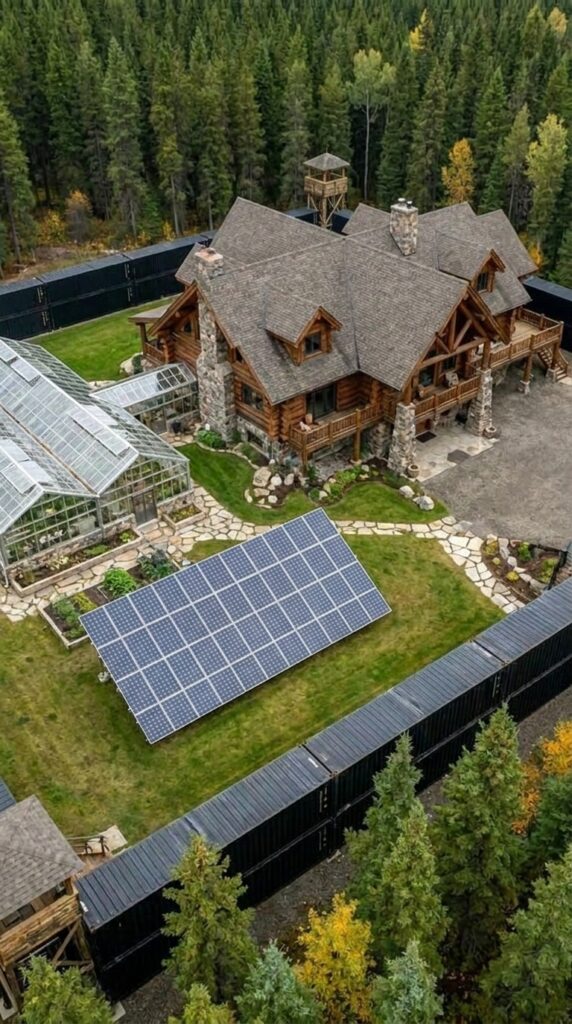
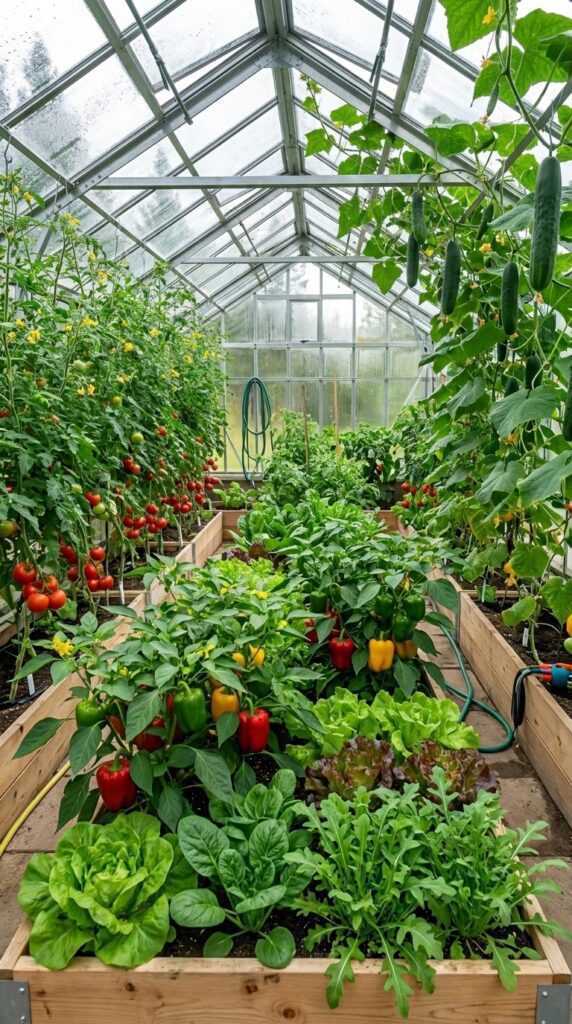
The greenhouse serves as the heart of the compound’s food production network. Designed for year-round cultivation, it allows a wide variety of crops to be grown regardless of external conditions. Inside, raised garden beds are filled with fresh vegetables, herbs, and fruits, creating a reliable source of nutrition throughout every season.
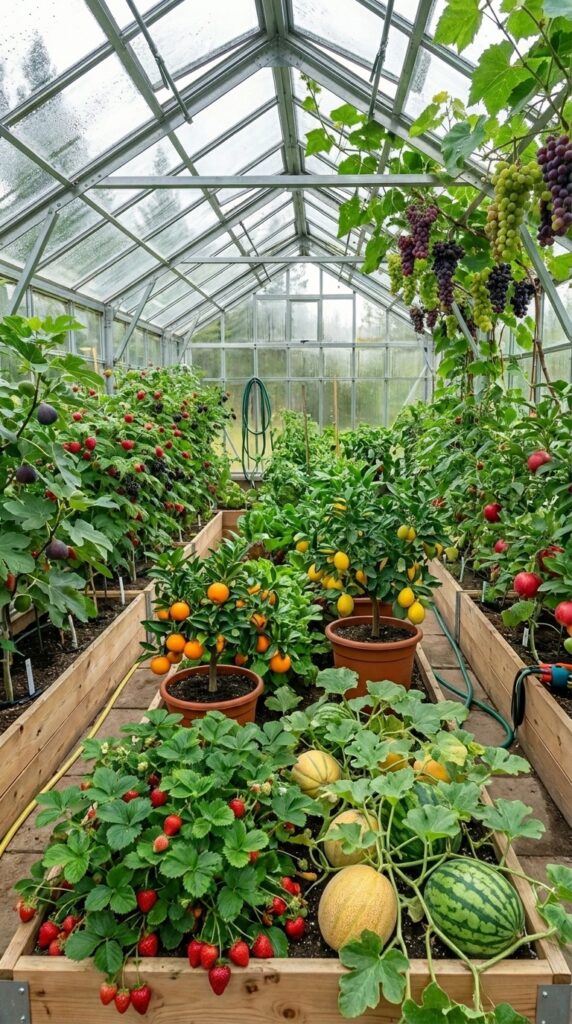
Tomatoes, cucumbers, peppers, lettuce, strawberries, melons, and even fruit trees thrive within the controlled environment. The greenhouse protects plants from harsh weather while maximizing growing efficiency through natural sunlight and carefully managed irrigation systems. This ensures a continuous harvest and significantly reduces dependence on outside food supplies.
In addition to vegetables, the greenhouse provides the flexibility to expand production as needed. New crops can be introduced throughout the year, allowing the property to adapt to changing needs and maintain a diverse food supply.
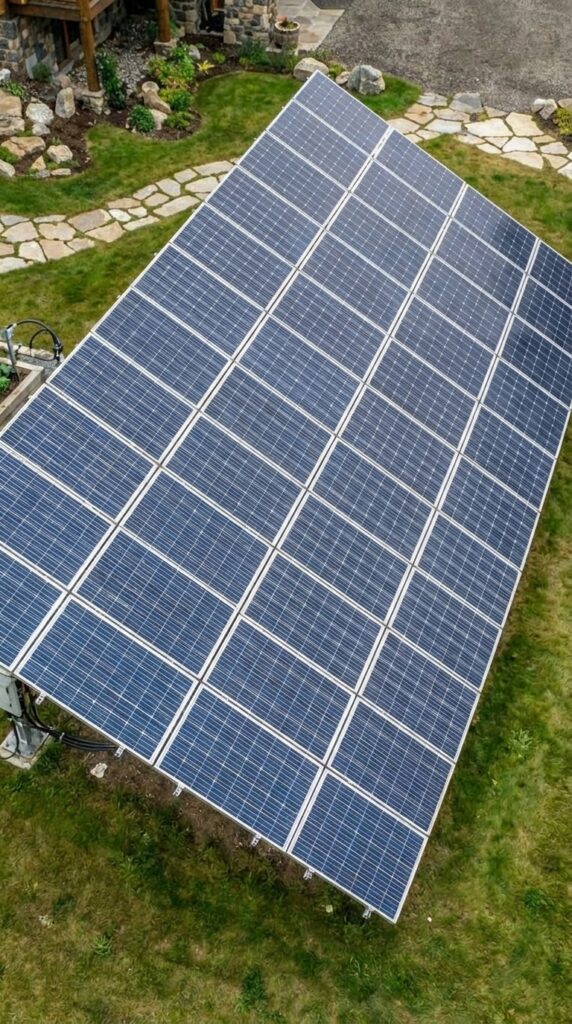
Powering the entire compound is a large solar energy field positioned inside the secured perimeter. The solar array captures sunlight throughout the day and converts it into electricity for the house, greenhouse, lighting systems, water pumps, communication equipment, and other essential infrastructure. Combined with battery storage systems, the property remains operational even during extended periods of poor weather.
Together, the greenhouse and solar installation create a foundation for long-term self-sufficiency. Fresh food production and renewable energy generation work hand in hand, allowing the compound to function independently from external utility networks.
These systems transform the property from a simple protected retreat into a fully sustainable survival estate. Whether facing natural disasters, supply chain disruptions, or long-term isolation, the combination of renewable energy and continuous food production provides the resilience needed to support comfortable living far from civilization.
The Main Lodge and Underground Survival Bunker
At the center of the compound stands a large timber lodge designed to combine everyday comfort with long-term self-sufficiency. While the property is built with survival and resilience in mind, the goal was never to sacrifice quality of life. The result is a home that feels both luxurious and practical, capable of supporting a family through any situation.
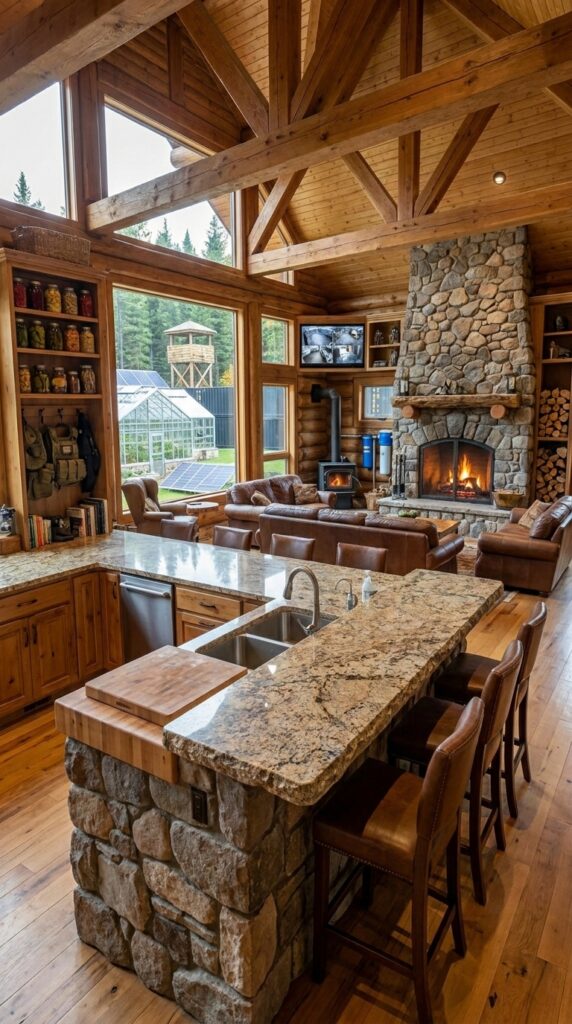
The main living area features soaring ceilings, exposed timber beams, and panoramic windows overlooking the greenhouse, solar field, and surrounding forest. Natural stone and wood materials create a warm atmosphere, while the open-concept layout connects the kitchen, dining area, and living room into one welcoming space. A massive stone fireplace serves as the centerpiece of the home, providing both heat and a gathering place during long winter months.
The kitchen was designed as the operational heart of the lodge. Large work surfaces, extensive storage, and high-efficiency appliances allow for food preparation, preservation, and daily living without compromise. Nearby storage areas contain emergency supplies, tools, medical equipment, and essential resources needed for extended off-grid operation.
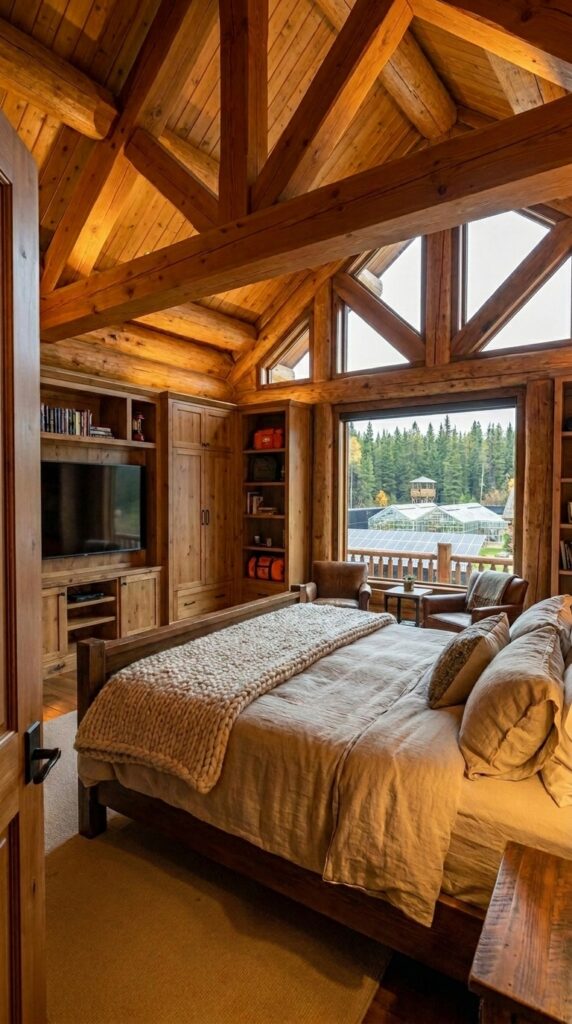
The master bedroom offers comfort and security while maintaining views across the property. Large windows provide natural light during the day, while the elevated position allows residents to monitor key areas of the compound. Every room was designed to balance functionality, efficiency, and comfort.
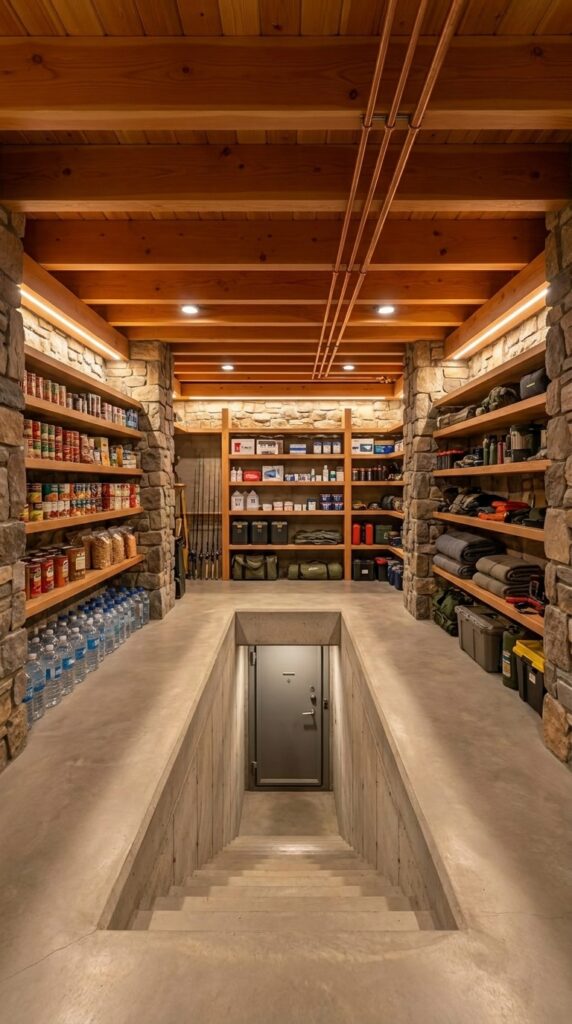
Beneath the lodge lies one of the most important components of the entire property: a fully equipped underground survival bunker. Hidden below ground level and protected by reinforced construction, the bunker serves as a secure backup shelter for emergencies and long-term resilience.
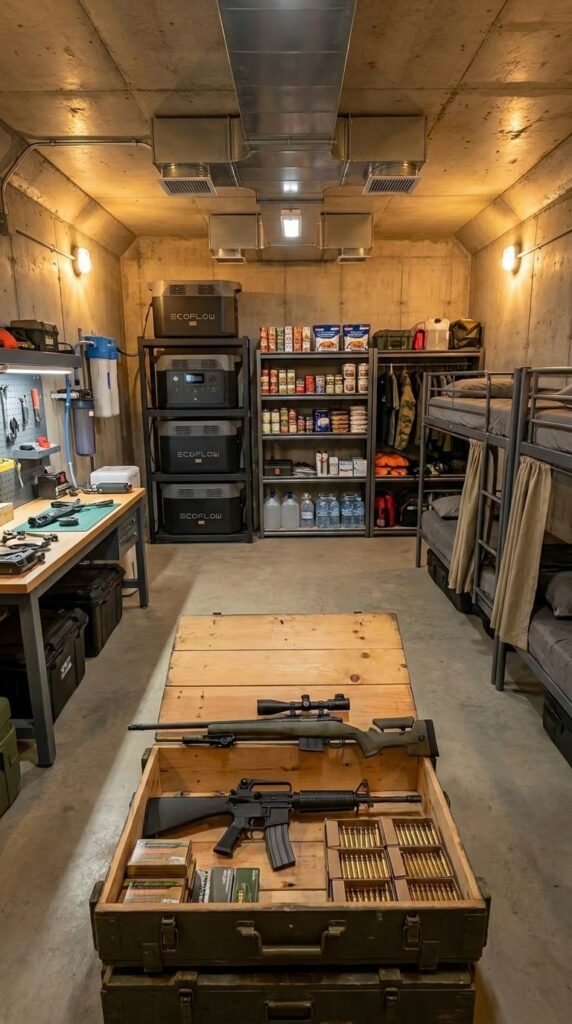
Inside the bunker, dedicated storage areas contain food reserves, water supplies, backup equipment, tools, communication systems, and emergency provisions. Independent air filtration, power storage, and water treatment systems allow the facility to remain operational even if the main house experiences disruptions. Sleeping quarters provide accommodation for multiple occupants, while organized shelving ensures that supplies remain accessible and protected.
Together, the lodge and underground bunker create a complete survival ecosystem. The house provides comfort, productivity, and everyday living, while the bunker delivers security, redundancy, and emergency preparedness. Combined with the greenhouse, solar power system, water infrastructure, and secure perimeter, they form the foundation of a fully self-sufficient forest compound built for both modern living and long-term resilience.
Estimated Project Cost
Creating a fully self-sufficient forest survival compound of this scale requires significant investment. The estimate below assumes a remote property with a large log home, underground bunker, greenhouse complex, solar power infrastructure, perimeter security, vehicle access systems, and complete off-grid capabilities.
Component
Estimated Cost
Forest land and private lake
$150,000 – $800,000
Main log lodge (6,000–8,000 sq ft)
$800,000 – $2,000,000
Underground reinforced bunker
$300,000 – $1,500,000
Greenhouse complex
$50,000 – $250,000
Solar power field and battery storage
$100,000 – $500,000
Water filtration and storage systems
$20,000 – $100,000
Security fence and perimeter walls
$150,000 – $600,000
Container checkpoint and access corridor
$100,000 – $400,000
Watchtowers and monitoring systems
$30,000 – $150,000
Roads, landscaping, bridges, utilities
$100,000 – $500,000
Vehicles and emergency equipment
$100,000 – $500,000
Interior furnishing and supplies
$100,000 – $400,000
Total Estimated Cost
Basic Version: approximately $2 million – $3 million
High-End Version: approximately $4 million – $7 million
Luxury Fully Equipped Version: approximately $8 million – $15+ million
A Private Self-Sufficient Forest Fortress
Hidden deep within the forest and protected by multiple layers of security, this compound is designed to operate independently from the outside world. The property combines a luxury timber lodge, a reinforced underground bunker, renewable energy infrastructure, food production systems, protected vehicle access routes, and a secure perimeter into one integrated survival estate.
With its own solar power generation, greenhouse food production, emergency storage facilities, water systems, and defensive perimeter, the compound is capable of supporting long-term off-grid living while maintaining the comfort of a modern home.
More than just a retreat, it represents a complete self-sufficiency ecosystem where security, sustainability, and everyday comfort work together. Whether viewed as a preparedness project, a remote family estate, or the ultimate survival property, this type of compound stands among the most ambitious private off-grid developments that can be built today.table off-grid living while providing exceptional privacy, storage capacity, and long-term resilience.
This is an architectural concept visualization and not a real construction project.

Leave a Reply