Would You Take a Job as a Watchtower Keeper in the Alaskan Wilderness?
Would you agree to spend three months alone in the heart of the Alaskan wilderness, surrounded by endless forests, unpredictable weather, and wildlife, with no opportunity to return to civilization until your assignment was over?
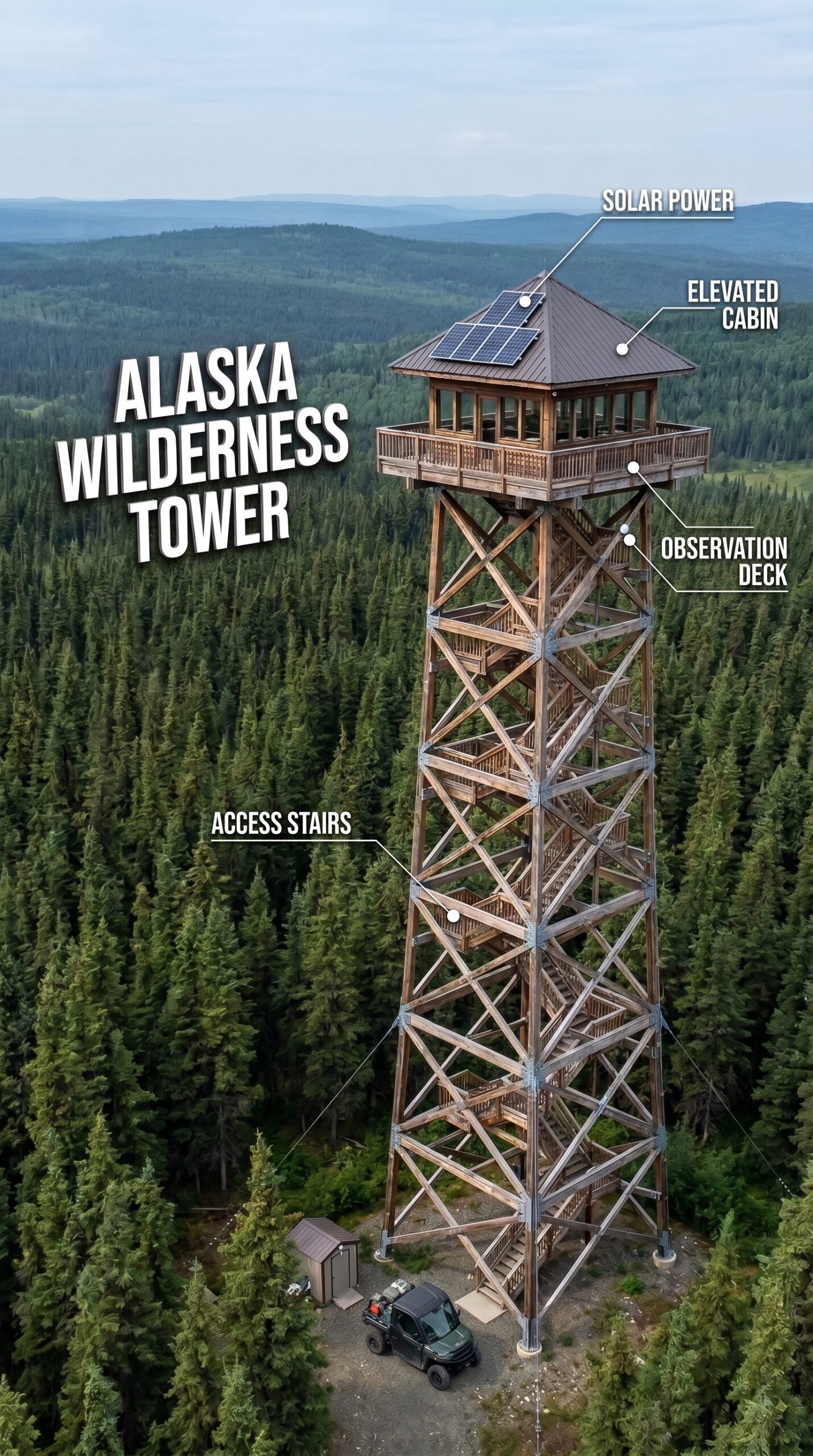
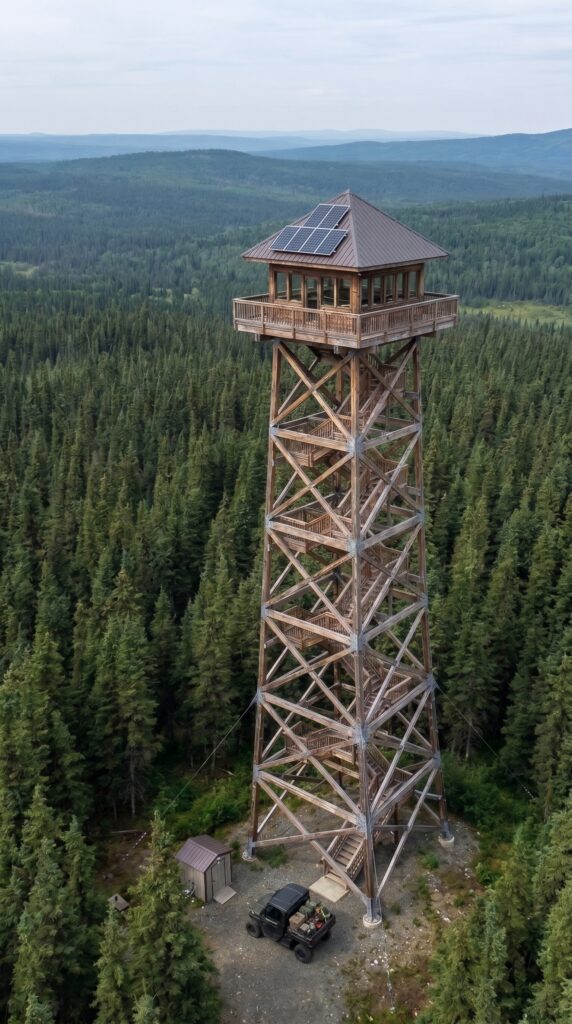
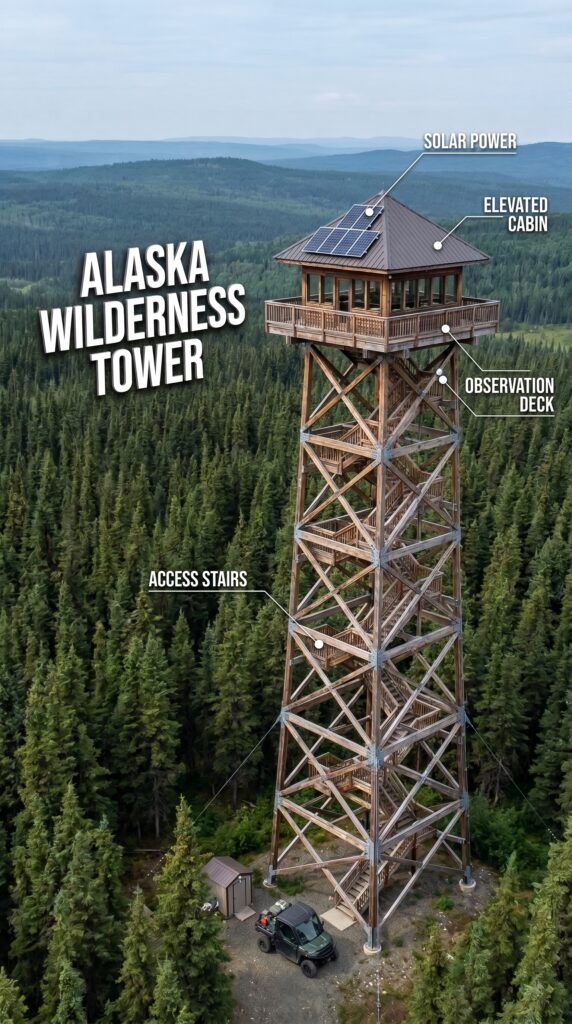
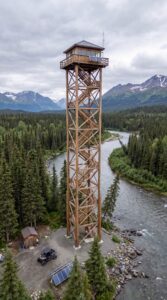
This unusual job would place you in charge of a remote observation tower built high above the forest floor. Your living quarters would sit at the top of a tall wooden structure, supported by a reinforced framework and connected to the ground by a long staircase. From the elevated cabin, panoramic windows would give you an extraordinary view across miles of dense evergreen forest, distant mountains, and untouched wilderness. You would wake up every morning to a landscape that few people ever get to experience, with no traffic, crowded streets, or noise from the outside world.
Your Own Cabin Above the Forest
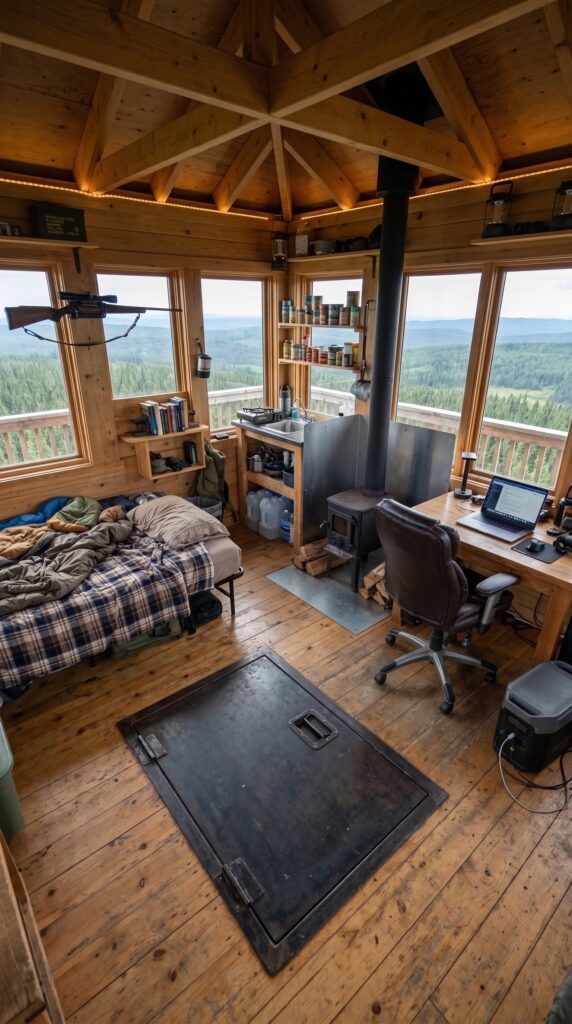
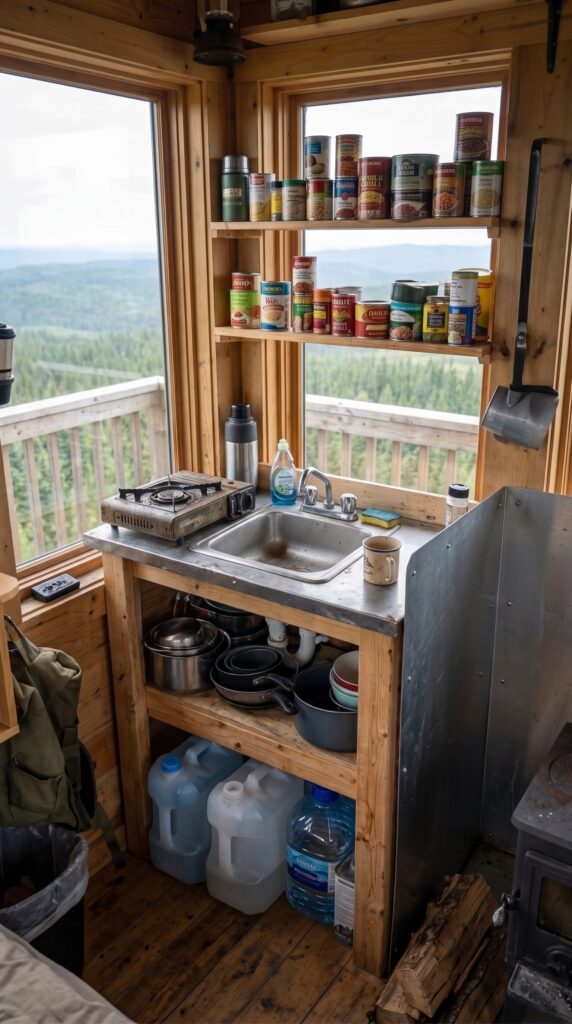
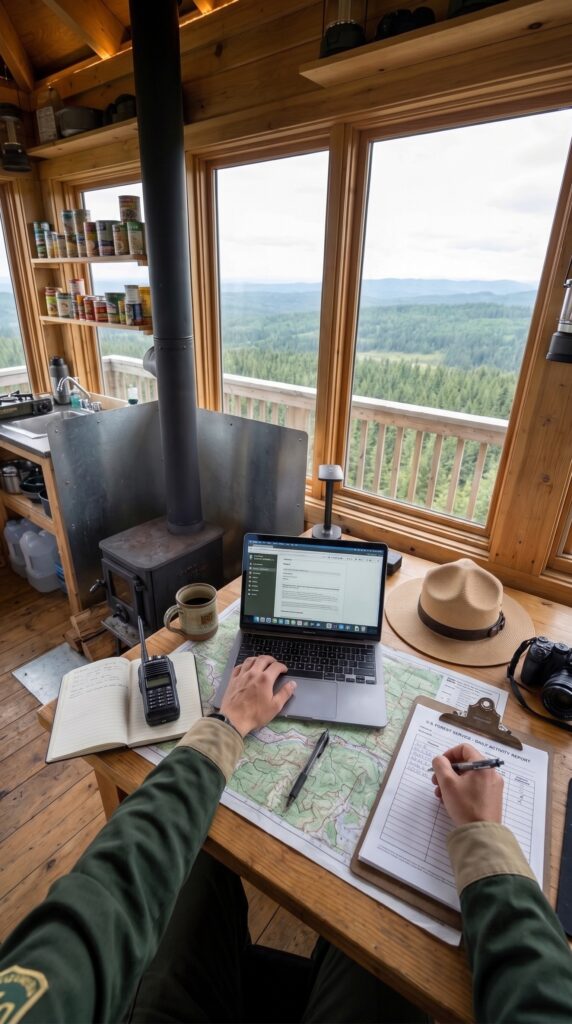
The cabin would serve as your home for the entire assignment. Despite its remote location, it would be designed to provide the basic comforts needed for a long stay. The interior would feature natural wooden walls, a sturdy bed, a compact work area, and a small kitchen with a stainless-steel sink, storage shelves, and a portable gas stove. Large windows would surround the living space, allowing natural daylight to fill the room while giving you a constant view of the surrounding wilderness.
A wood-burning stove would provide warmth during cold Alaskan nights, when temperatures could drop sharply and the wind moved through the trees below. You would need to keep a supply of dry firewood, maintain the stove, and make sure the cabin remained warm enough to sleep comfortably. Every item inside the tower would have a purpose, because transporting replacement equipment to such a remote location would be difficult and expensive.
The cabin would also have a heavy floor hatch leading to a lower storage area or service compartment, depending on the final design. This would give you a dedicated place for essential equipment without filling the main living space with boxes and supplies. Your sleeping area, kitchen, workspace, and emergency equipment would all need to remain organized, because clutter could become a serious problem in such a compact home.
Solar Power and Limited Utilities
A small solar array mounted on the cabin roof would supply electricity for essential devices. The system would be connected to a battery bank, allowing you to power LED lighting, charge your laptop and radio, and operate other low-consumption equipment when sunlight was unavailable. During the long summer days, the panels could collect useful amounts of energy, but cloudy weather, snow accumulation, and the changing seasons would affect how much power was available.
You would have to manage electricity carefully. Heating the cabin electrically or running energy-intensive appliances would place unnecessary strain on the system, so the wood stove and simple gas cooking equipment would remain important parts of daily life. A portable backup power station could provide another layer of flexibility, but it would not eliminate the need to monitor your energy consumption.
Water would require similar planning. Depending on the actual location, you might receive sealed drinking-water containers and use a properly designed filtration and treatment system for additional water supplies. You could not assume that water from nearby streams was safe to drink without appropriate treatment. Waste disposal, food storage, ventilation, and fire safety would also have to be planned before the first day of the assignment.
The point would not be to live in luxury. It would be to live comfortably enough to remain alert, healthy, and productive while operating far away from ordinary services.
Your Electric Utility Buggy
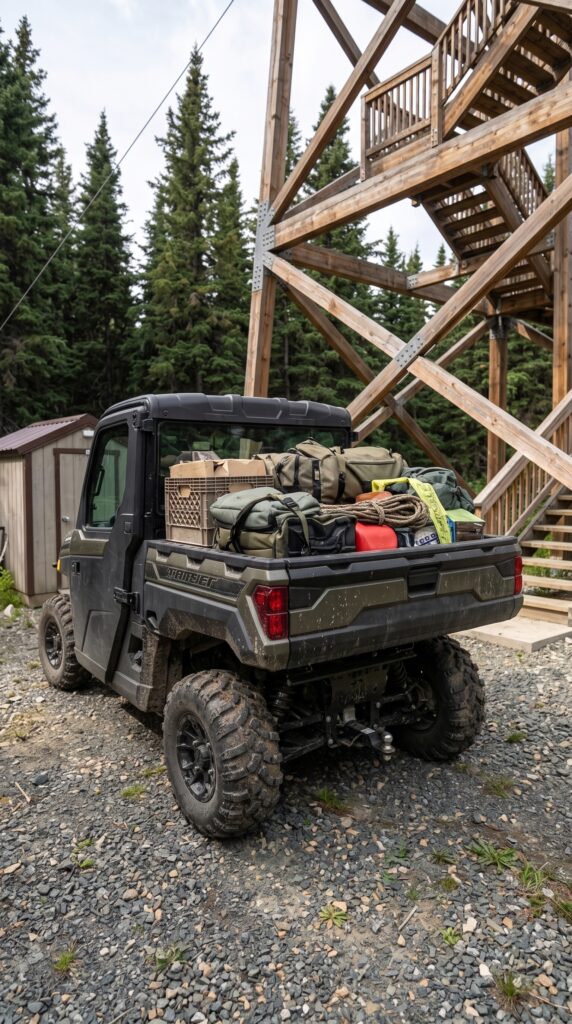
One of the most important pieces of equipment would be a rugged electric utility buggy designed for navigating forest roads and rough terrain. It would allow you to transport food, tools, batteries, spare equipment, and other supplies between the tower and designated patrol areas.
The buggy would have a practical cargo bed capable of carrying secured boxes, waterproof bags, ropes, maintenance tools, and emergency equipment. Before each patrol, you would check the battery level, inspect the tires, secure the cargo, and review the route. A vehicle that could not return to the tower would create a serious problem, especially if you were several miles from your living quarters.
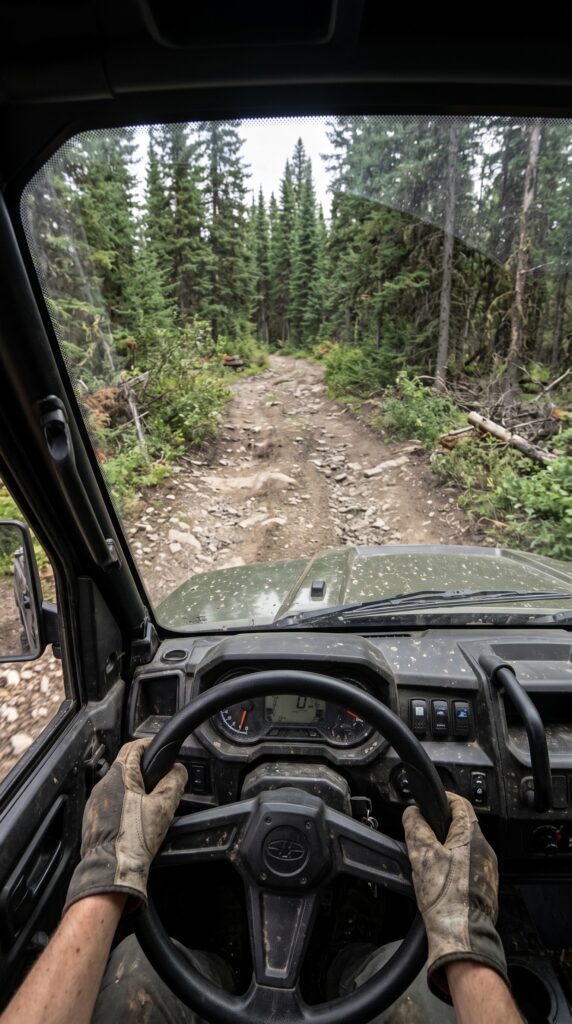
Your routes would follow approved forest tracks rather than taking you blindly into unfamiliar terrain. You would need to pay attention to fallen trees, washed-out sections, muddy ground, loose rocks, and damaged bridges. In some areas, a route that was easy to navigate in summer could become impassable after heavy rain or an early snowfall.
The buggy would be a working vehicle, not a recreational toy. Keeping it operational would be part of your responsibility, and you would need to report unusual noises, battery problems, damaged tires, or any other faults before they became more serious.
Three Months of Food and Essential Supplies
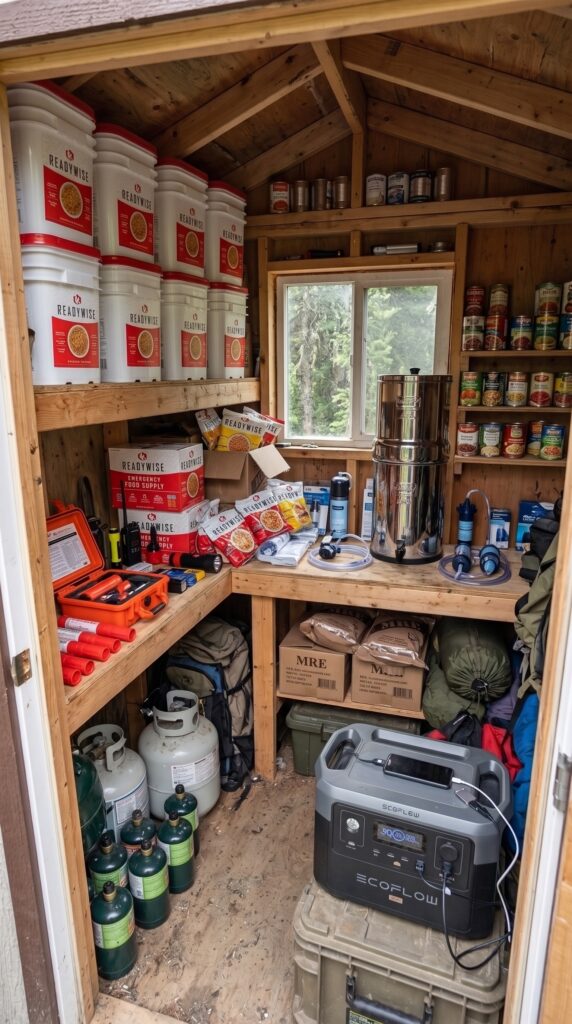
A separate storage shed near the base of the tower would hold the supplies required for your entire assignment. Shelves would contain canned food, dried meals, rice, pasta, oatmeal, cooking ingredients, and other products with a long shelf life. Sealed containers would protect dry goods from moisture and pests, while clearly labeled boxes would make it easier to track what remained.
The warehouse would also contain drinking water, cleaning products, personal hygiene items, first-aid supplies, spare clothing, batteries, flashlights, work gloves, and basic repair equipment. A dedicated section would be reserved for emergency supplies, including additional communication equipment and items needed if you had to remain inside the cabin during severe weather.
You would be expected to manage these provisions carefully. Every meal would come from your own stock, and there would be no quick trip to a supermarket if you ran out of something. Before the assignment began, you would receive a complete inventory and instructions for recording what you used.
Food planning would be especially important. You would need enough calories to handle physical work in a cold climate, with meals that could be prepared using limited equipment. You could enjoy a hot breakfast, make a simple lunch during a break, and prepare a warm dinner at the end of the day. However, you would have to keep the kitchen clean and store food securely to avoid attracting wildlife.
The storage building would also make it possible to separate everyday supplies from emergency reserves. That distinction would matter if bad weather delayed a scheduled resupply or made travel temporarily unsafe.
Your Daily Responsibilities
This would not be a job where you simply sit beside a window and enjoy the view. Your primary responsibility would be to observe the surrounding forest, document relevant conditions, and complete regular patrols along designated routes.
Each morning would begin with checking the weather forecast, reviewing communication messages, inspecting your equipment, and recording the condition of the tower and its surroundings. You would then follow the day’s patrol schedule, using the buggy where conditions allowed and completing visual observations from designated locations.
During patrols, you might record fallen trees, damaged access roads, smoke, unusual animal activity, signs of erosion, or other changes that required attention. Depending on the employer and location, your duties could include reporting potential wildfire indicators, checking observation points, documenting infrastructure damage, or monitoring areas used by forestry personnel.
When you returned to the tower, you would prepare a daily report. A laptop, maps, a radio, and a designated reporting desk would form your small operations center. Your report would include the route covered, weather conditions, equipment status, observations, and any incidents requiring follow-up. Clear and accurate records would be essential because your employer might not be able to verify conditions on the ground immediately.
You would also be responsible for basic maintenance. That could include inspecting railings and stairs, keeping access routes clear where safe, checking the solar equipment, cleaning the cabin, monitoring the battery system, and ensuring that emergency equipment remained ready for use. Structural repairs and dangerous maintenance work would be handled by qualified personnel rather than improvised at height.
Bears, Wolverines, and Other Wildlife
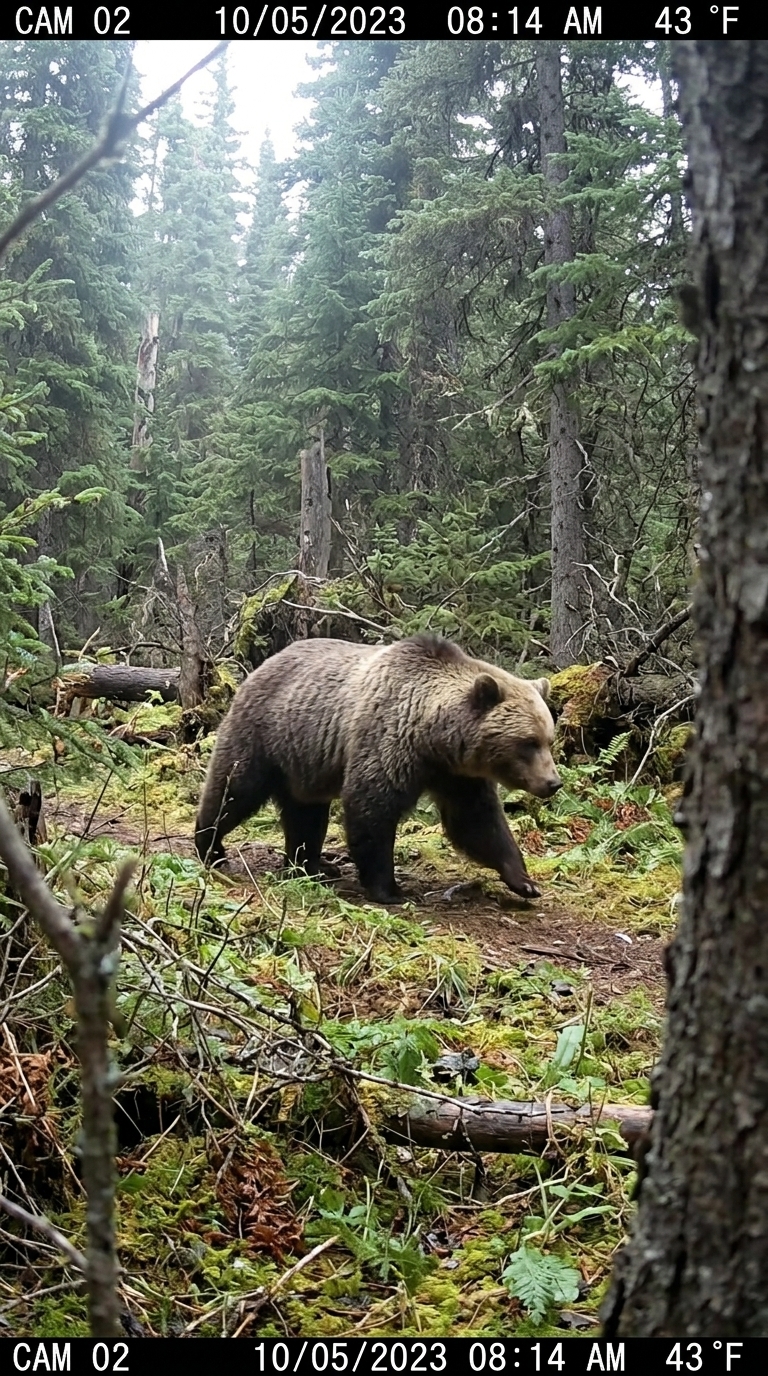
The forest would be full of life, even when it appeared completely silent. Bears could travel through the surrounding woodland, while wolves, foxes, moose, and smaller animals might appear near the access roads. Wolverines are also found in parts of Alaska, although sightings are uncommon. You might spend several days seeing nothing larger than a bird before noticing fresh tracks in the mud or discovering that an animal had crossed a trail during the night.
Wildlife would be one of the most fascinating parts of the assignment, but it would also require caution. You would follow the employer’s wildlife-safety procedures, keep food and waste secured, maintain a safe distance from animals, and avoid approaching or feeding them. You would receive training on responding to encounters with bears and other potentially dangerous wildlife.
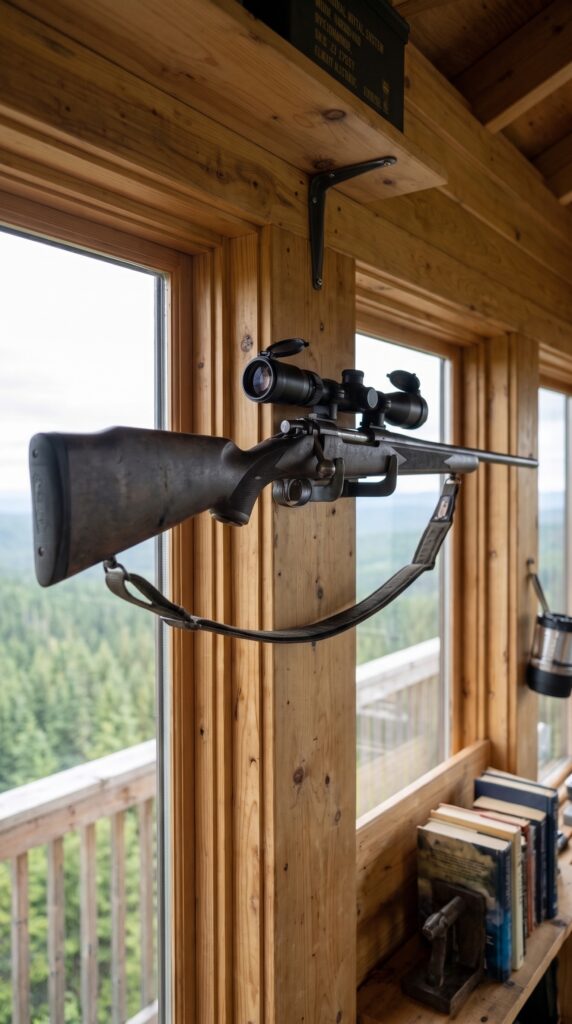
A firearm should not be treated as a substitute for training, safe behavior, or emergency procedures. If the employer required an armed wildlife-management role, the relevant legal requirements, authorization, training, secure storage, and handling rules would have to be established in advance. Otherwise, your safety plan would rely on prevention, communication, and avoiding dangerous encounters.
The tower’s height might offer a useful observation point, but it would not make the entire property safe. Animals could approach the base, and a long staircase could become hazardous during ice, high winds, or poor visibility. You would have to respect the environment rather than assume that the structure made you invulnerable.
The Hardest Part: Being Alone
The physical work might be manageable for someone who was reasonably fit, organized, and comfortable outdoors. The real challenge could be the isolation.
For three months, your conversations might consist mainly of scheduled radio calls and occasional messages from your supervisor. There would be no spontaneous visits from friends, no nearby café, and no easy way to change your surroundings when you felt bored. Even the most beautiful view could begin to feel familiar after weeks of seeing it from the same windows.
You would need a routine that kept your mind active. In your free time, you could read, exercise, cook, maintain a journal, study a new skill, or communicate with family whenever the connection allowed. A laptop could provide some entertainment and practical work, but internet access would depend on the location and the equipment provided. It would be unwise to assume that high-speed connectivity would always be available.
Sleep and mental health would matter as much as physical endurance. Long periods alone can affect concentration, mood, and decision-making, particularly when combined with poor weather or disrupted sleep. A responsible employer would establish regular check-ins, clear escalation procedures, access to medical advice, and a plan for ending the assignment early if a serious problem arose.
You would also need to know what happens if you became ill or injured. A remote job should never depend on the assumption that the worker can solve every emergency alone. Communication devices, first-aid training, a realistic evacuation plan, and a reliable method of requesting help would be essential parts of the arrangement.
What Happens When the Weather Changes?
Alaska’s wilderness can change quickly. Rain can turn dirt tracks into slippery routes, strong winds can make exposed structures dangerous, and snow can block access roads. The solar system might produce less electricity during extended cloudy periods, while the cabin would require more attention to heating and weatherproofing.
Your work schedule would have to remain flexible. Some days would be suitable for patrols, while others would require you to stay inside, complete reports, inspect equipment, or wait for conditions to improve. You would need reliable forecasts, backup communication options, and explicit rules about when travel was prohibited.
The tower itself would need to be professionally engineered for its height, expected wind loads, snow loads, foundation conditions, and local building requirements. Guardrails, stairways, landings, emergency access, lightning protection, and fire precautions would all be part of the design. A tall wooden observation structure in a remote forest is a serious piece of infrastructure, not simply a cabin placed on stilts.
The employer would also need to arrange inspections and maintenance. You would be responsible for reporting problems, not taking unnecessary risks by attempting major structural repairs yourself.
Would the Salary Be Worth It?
A three-month assignment far from civilization would require more than an ordinary paycheck. Compensation would need to reflect the isolation, physical responsibilities, specialist training, travel, and limited access to services. Housing and food would ideally be supplied by the employer, along with the necessary equipment, insurance, and emergency support.
The exact salary would depend on whether this was a forestry observation role, a private land-management position, a research assignment, or a specialized remote operations job. A genuine offer should specify working hours, time off, communication arrangements, the cost of travel to and from the site, medical coverage, and what happens if severe weather prevents normal duties.
You would also want to know whether the three months included scheduled breaks, whether another worker could relieve you during an emergency, and whether the employer had a documented evacuation plan. The appeal of working alone in the wilderness should never come at the expense of basic employment protections.
For the right person, the experience could be extraordinary: a private cabin above a sea of trees, quiet evenings beside a wood stove, fresh air, challenging work, and the satisfaction of managing a remote station independently. For someone who depends on regular social contact and easy access to modern conveniences, the same conditions could become exhausting.
At the end of the assignment, you would leave with three months of experience most people will never have—and a much clearer idea of how well you can handle solitude, uncertainty, and life far from civilization.
Would you accept this job and spend three months alone in an Alaskan watchtower? What monthly salary would make the isolation, wildlife, and responsibility worth it to you?
This is an architectural concept visualization and not a real construction project.


Leave a Reply