Hidden Underground Bunker Beneath an Abandoned Cabin
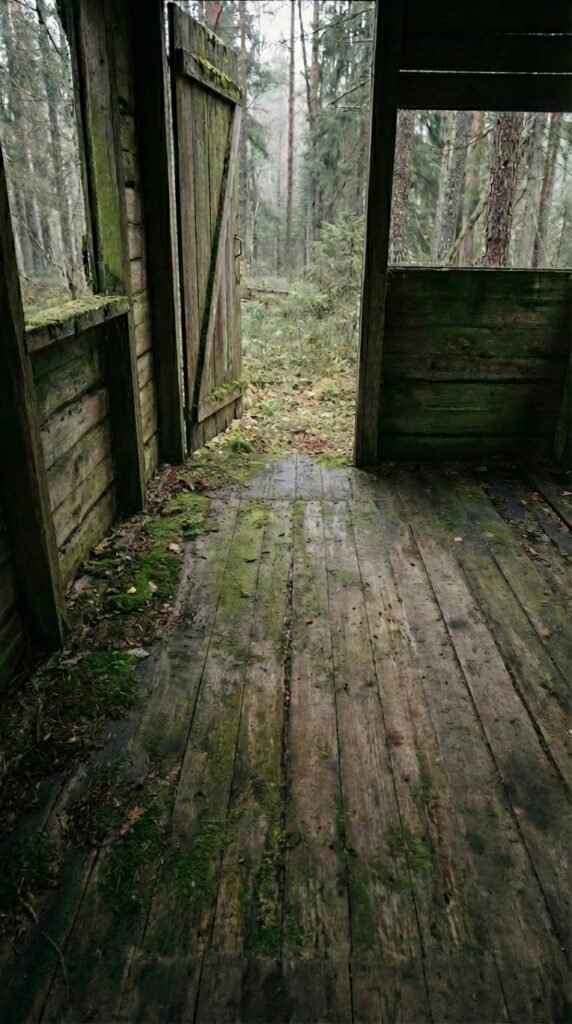
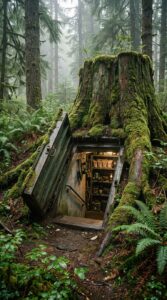
Deep in a quiet forest stands what appears to be nothing more than an old abandoned wooden cabin slowly being reclaimed by nature. The doors hang loosely on their hinges, the floorboards are weathered by years of moisture, and moss grows along the edges of the walls. To anyone passing by, the structure looks completely forgotten — just another decaying building lost in the wilderness.
But hidden beneath the wooden floor lies a carefully concealed entrance to an underground bunker.
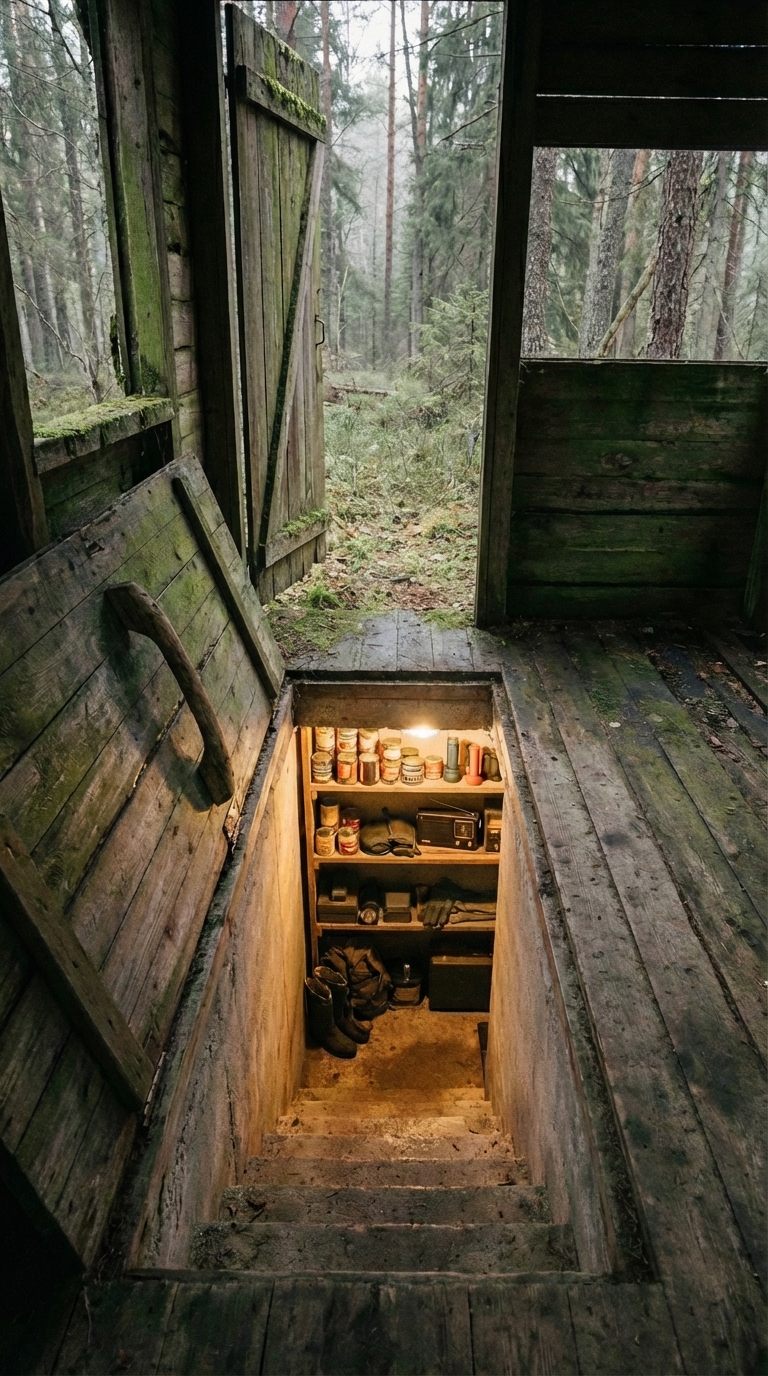
Inside the cabin, one section of the floor is designed as a hidden hatch that blends perfectly with the surrounding planks. When closed, it is almost impossible to notice. The wood boards match the rest of the floor so well that even someone standing directly above it would not suspect anything unusual.
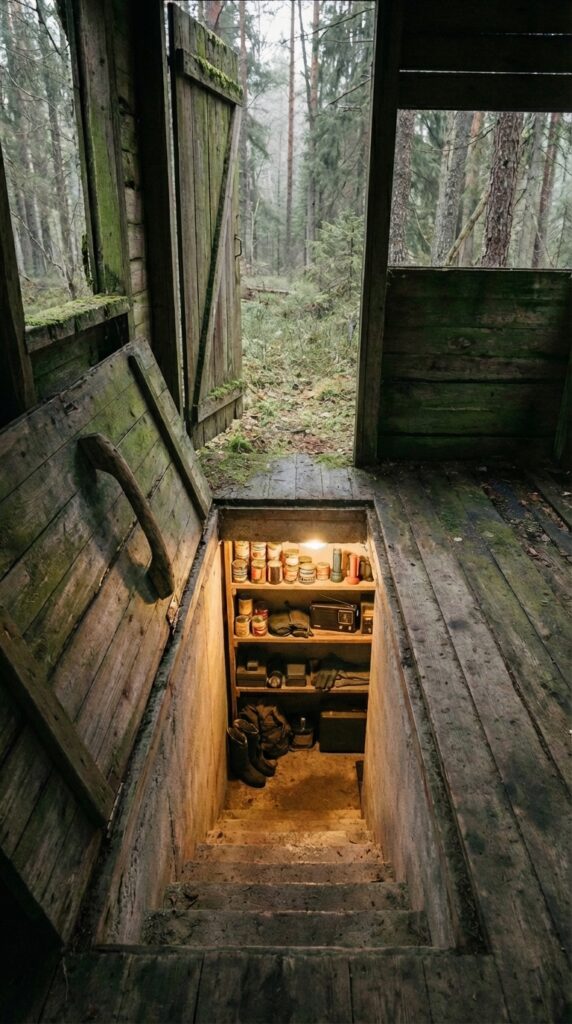
When the hatch is lifted, a narrow stairway appears, leading down into a hidden underground shelter. Built from reinforced concrete, the bunker below provides a secure and protected space hidden beneath the abandoned structure above.
The underground chamber is compact but well organized. Shelves built into the walls store canned food, emergency rations, and essential survival supplies. Equipment such as radios, tools, batteries, and backup gear are placed neatly on the storage racks. A small lighting system illuminates the bunker, creating a warm and functional space below the forest floor.
The design takes advantage of the abandoned cabin above as natural camouflage. Anyone exploring the forest would simply see an old building and continue walking, never realizing that beneath the worn wooden floor lies a prepared survival shelter.
This type of hidden bunker combines two layers of concealment: first the remote forest location, and second the abandoned structure itself. Together they create one of the most effective ways to hide a survival shelter in plain sight.
From the outside it looks like a forgotten ruin. But beneath the floorboards lies a secret underground refuge ready for emergencies, isolation, or long-term survival.
Main Operations Room of the Underground Bunker
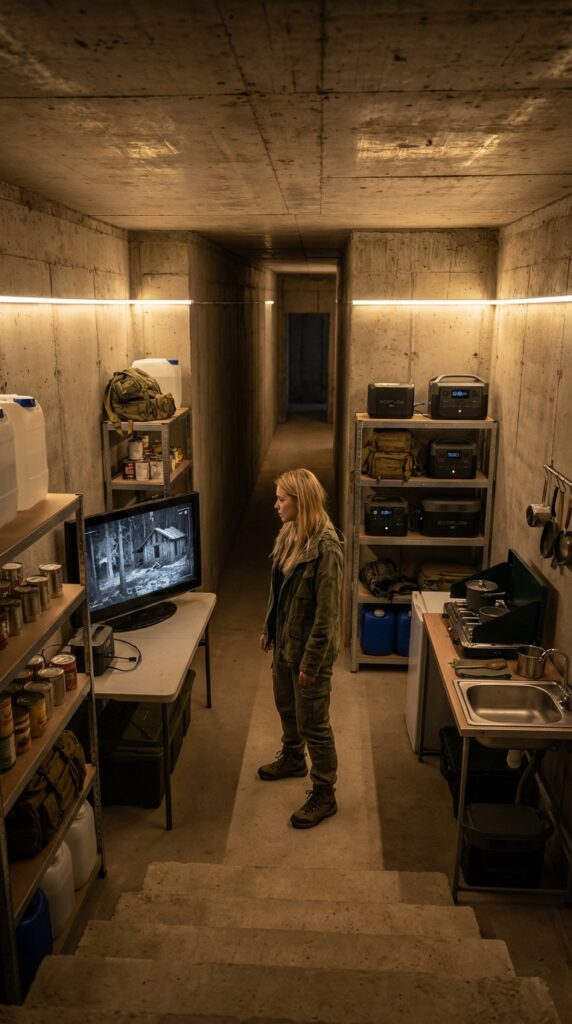
At the center of the underground shelter lies the main operations room, which acts as the control and living area of the bunker. This space is designed to combine storage, monitoring, and basic living functions in one secure underground environment.
Metal shelving units line both sides of the room, holding emergency food supplies, canned goods, drinking water containers, and essential survival equipment. Portable power stations provide electricity for lighting, communication devices, and small appliances, allowing the bunker to remain fully operational even when isolated from the outside world.
A small monitoring station is set up inside the room with a screen connected to hidden cameras positioned around the forest above. This allows the bunker’s occupant to observe the surrounding area without leaving the safety of the shelter.
Despite being underground, the room is organized efficiently so every item is easily accessible during an emergency situation.
Underground Sleeping and Rest Area
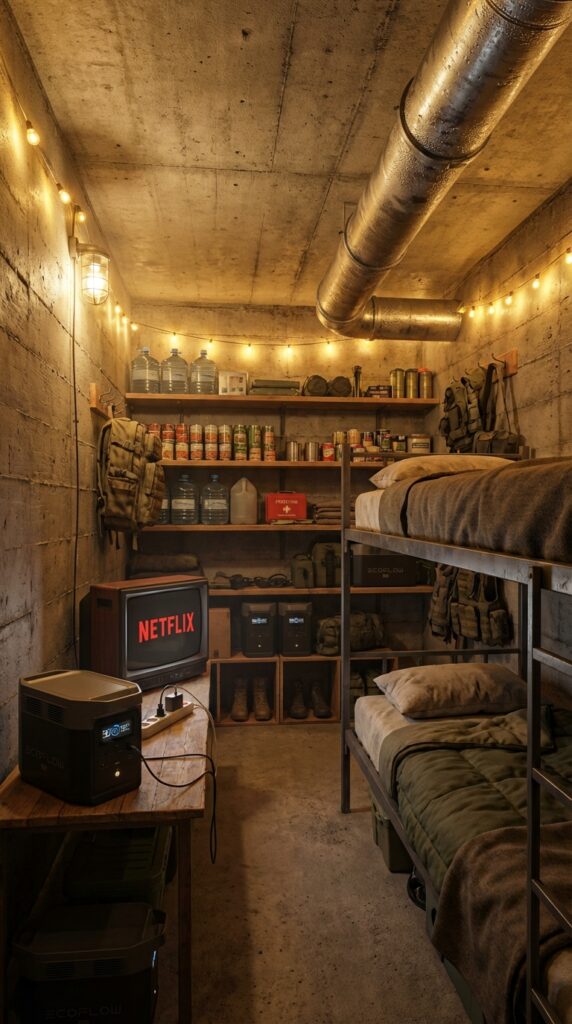
One section of the bunker is dedicated to rest and recovery. This sleeping area contains compact bunk beds that allow multiple occupants to stay in the shelter comfortably for extended periods.
Shelves around the beds store backpacks, gear, medical kits, and extra food supplies. Emergency equipment and clothing are placed within reach so they can be accessed quickly if the bunker must be evacuated.
Soft lighting and insulated concrete walls help maintain a stable temperature inside the bunker, creating a surprisingly comfortable living environment beneath the forest floor.
Even in an underground shelter, having a proper resting area is critical for maintaining physical and mental resilience during long periods underground.
Underground Hydroponic Food Growing Room
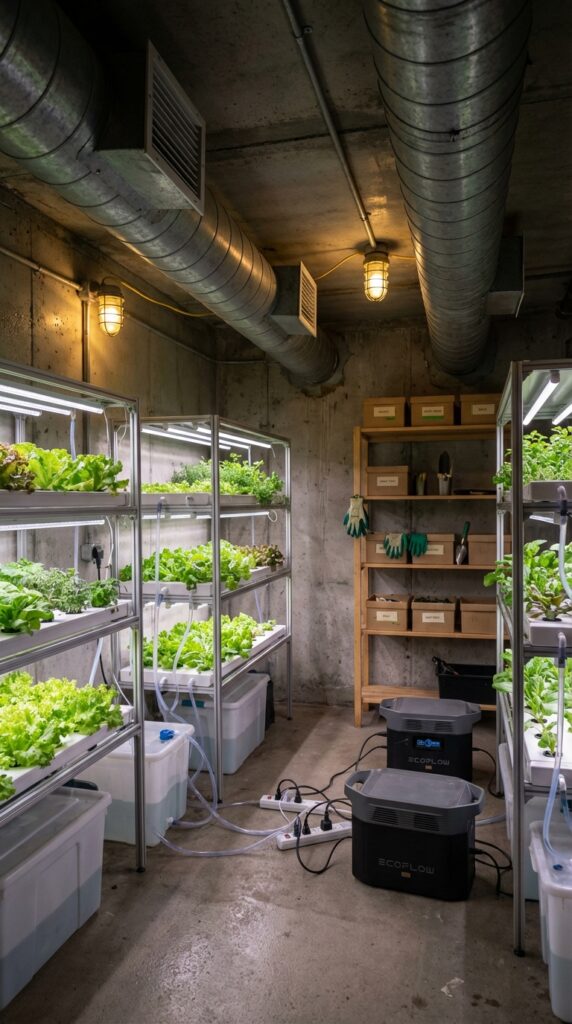
To support long-term self-sufficiency, the bunker includes a dedicated indoor growing room using hydroponic systems. This area allows fresh vegetables to be grown entirely underground without relying on outside soil.
Stacked growing racks contain leafy greens and herbs cultivated under specialized LED grow lights. Water circulation systems deliver nutrients directly to the plants, allowing them to grow efficiently even in a controlled underground environment.
The hydroponic room ensures a continuous supply of fresh food, which is especially valuable if the bunker needs to remain sealed for long periods of time.
Combined with stored food reserves, this system significantly extends the survival capability of the shelter.
Underground Sanitation and Water System
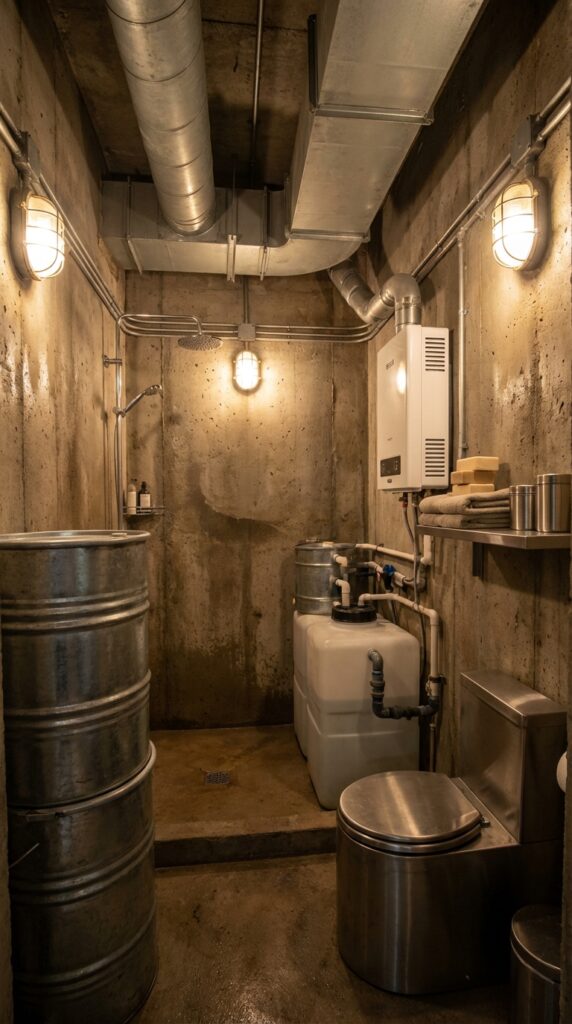
The bunker also includes a compact sanitation room designed for hygiene and water management. Reinforced concrete walls and ventilation ducts help maintain airflow and reduce humidity in the underground environment.
Inside the room are water storage tanks, filtration equipment, and a compact shower system that allows residents to maintain basic hygiene even while isolated underground. A small water heater and plumbing system distribute warm water when needed.
A durable stainless steel toilet and sealed drainage system help keep the bunker sanitary during long stays. Proper sanitation is essential in any survival shelter to maintain health and prevent contamination.
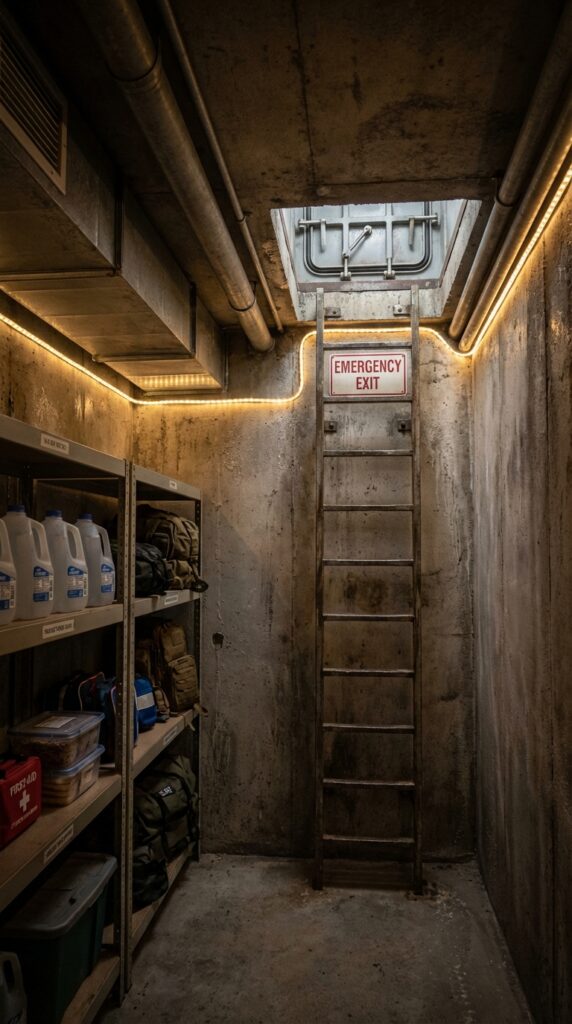
Emergency Exit Corridor
For safety, the bunker includes a secondary emergency escape route. A reinforced ladder leads upward to a hidden exit point somewhere deeper in the forest.
This backup exit allows occupants to leave the bunker safely if the main entrance becomes blocked or compromised. Emergency supplies are stored along the corridor so they are immediately available during evacuation.
Ventilation ducts and lighting systems run along the ceiling, ensuring the corridor remains functional and accessible at all times.
Having multiple exits is one of the most important principles in survival bunker design.
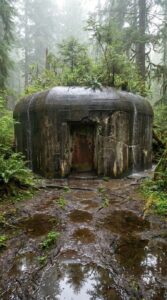
Hidden Bunker Beneath an Abandoned Forest Shed
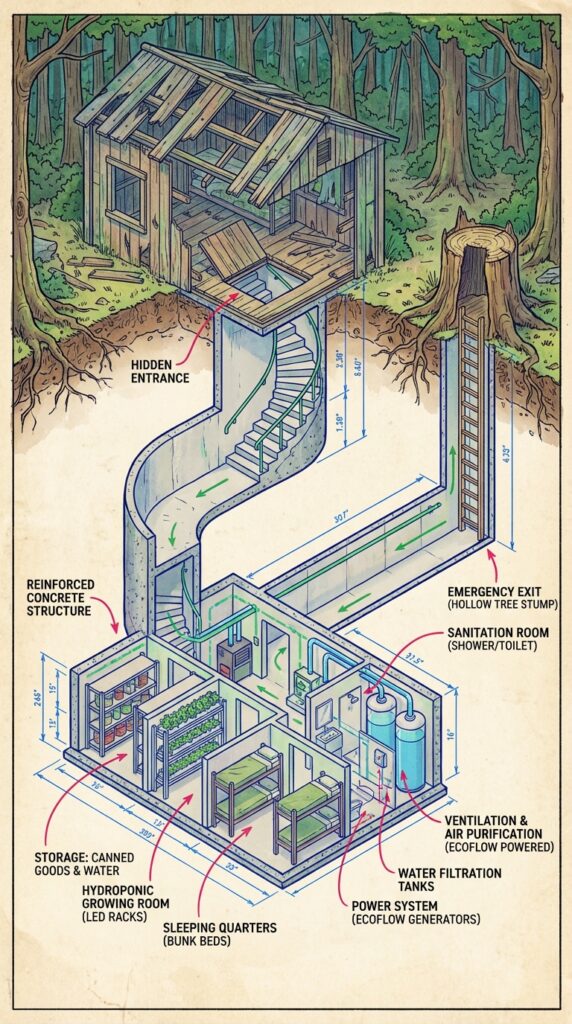
This blueprint illustrates a concealed underground survival bunker hidden beneath an old abandoned wooden shed deep in the forest. From the outside, the structure appears to be nothing more than a forgotten building slowly decaying in the wilderness. Weathered wood, moss, and broken boards help the shed blend naturally with the surrounding environment, making it an ideal disguise.
Inside the shed, a hidden trapdoor is built into the wooden floor. When opened, it reveals a staircase that descends into a reinforced concrete bunker constructed beneath the ground. The underground shelter contains several functional rooms designed for long-term survival, including storage areas for food and water, a sleeping space, sanitation facilities, and even a small indoor growing room for fresh vegetables.
Ventilation pipes, power systems, and emergency supplies are integrated into the bunker to ensure it can operate independently for extended periods. A secondary emergency exit leads through a hidden tunnel that connects to another concealed exit deeper in the forest.
With the abandoned shed acting as natural camouflage, the bunker remains hidden in plain sight while providing a secure underground refuge prepared for emergencies or long-term off-grid living.
Architectural visualization. It is not a real construction project.

Leave a Reply