Modular A-Frame House with Underground Container Bunker
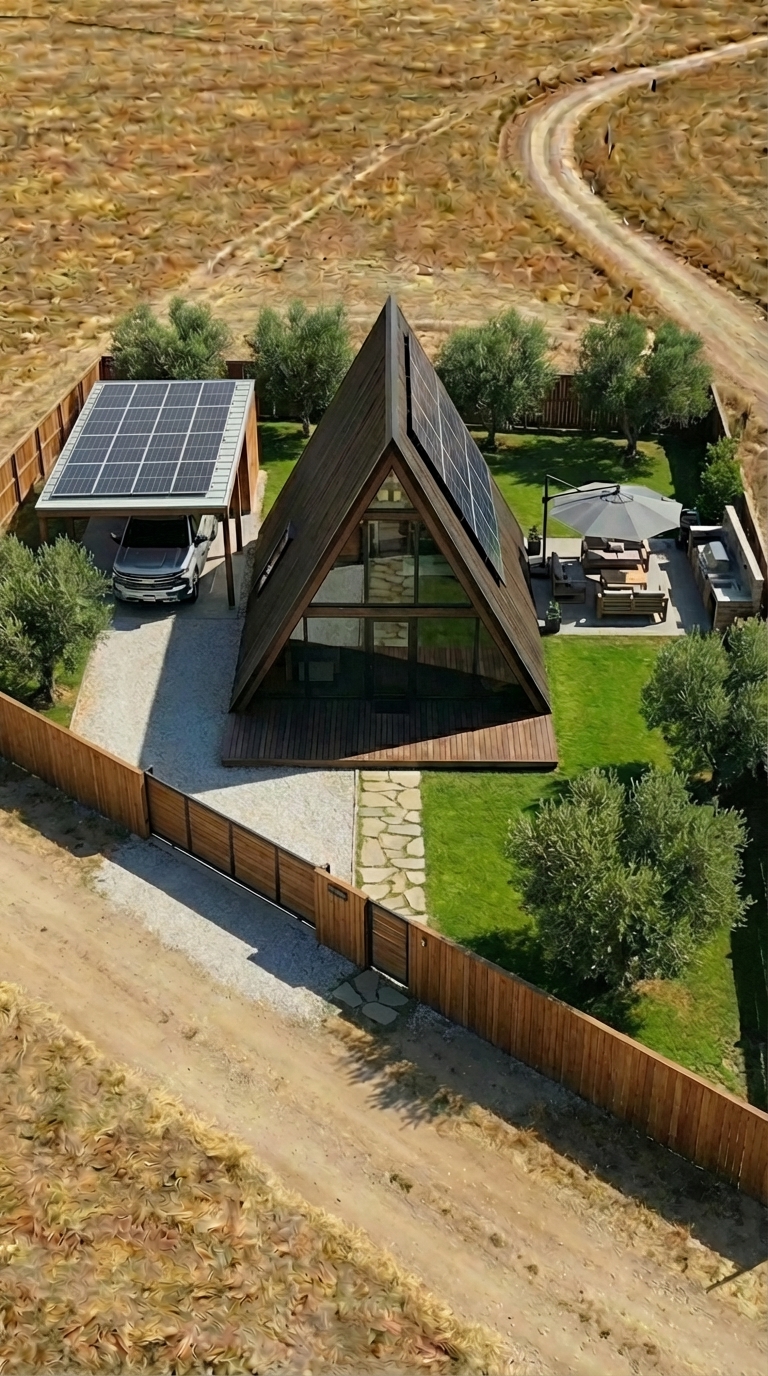
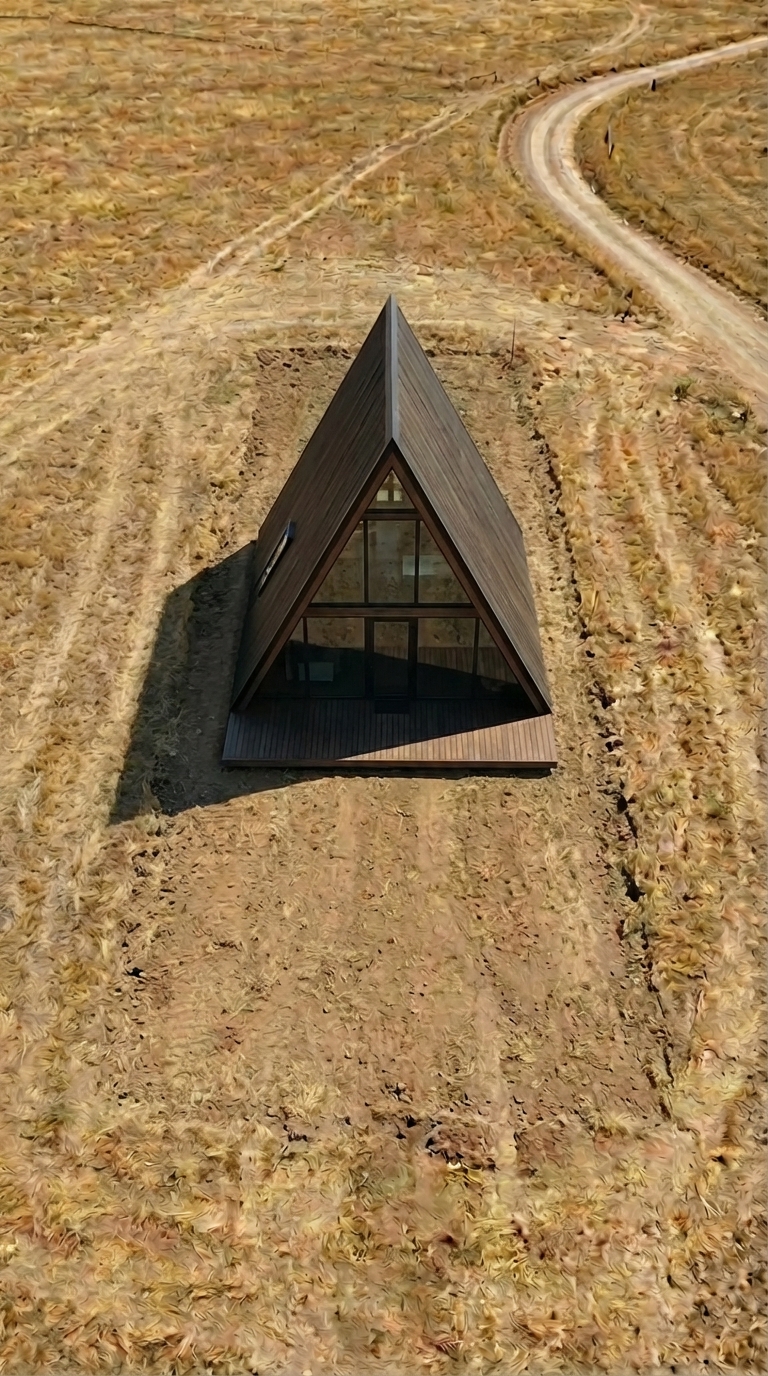
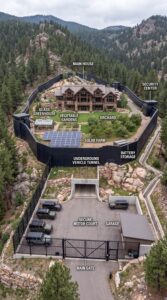
This project combines a modern A-frame house with a hidden underground bunker built from a reinforced shipping container, creating a balanced solution for comfortable living and long-term security. From the outside, the property looks like a stylish off-grid home, featuring solar panels, a clean landscape, and a functional outdoor space. However, beneath the surface lies a fully integrated underground structure designed for protection and independence.
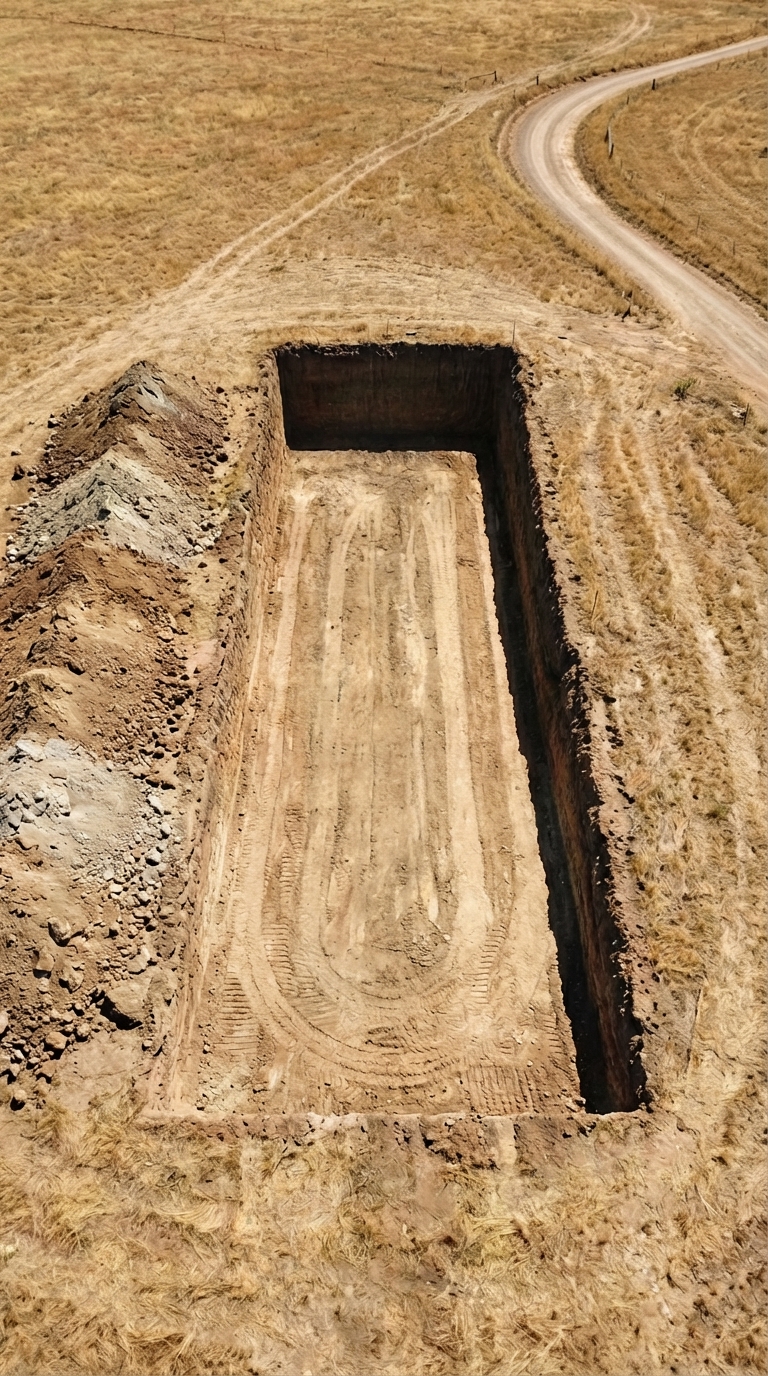
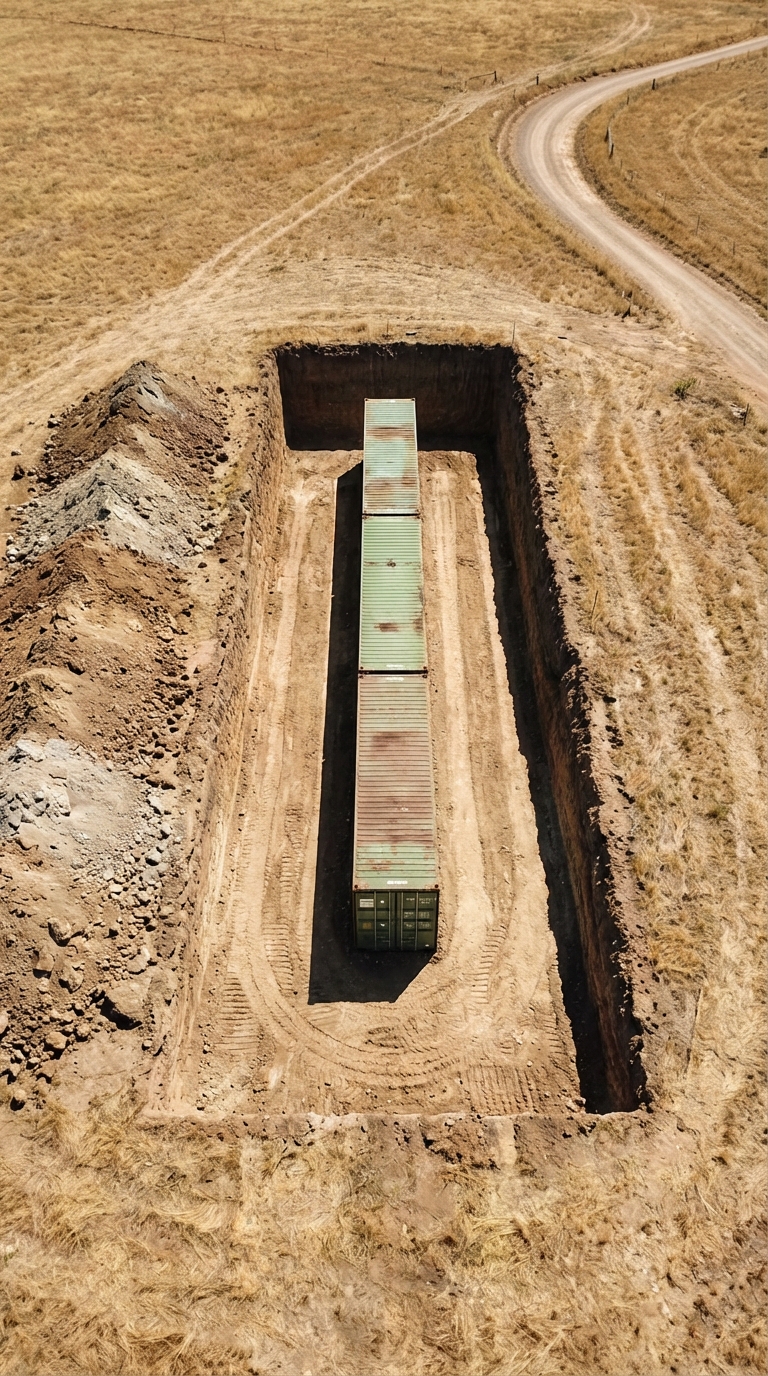
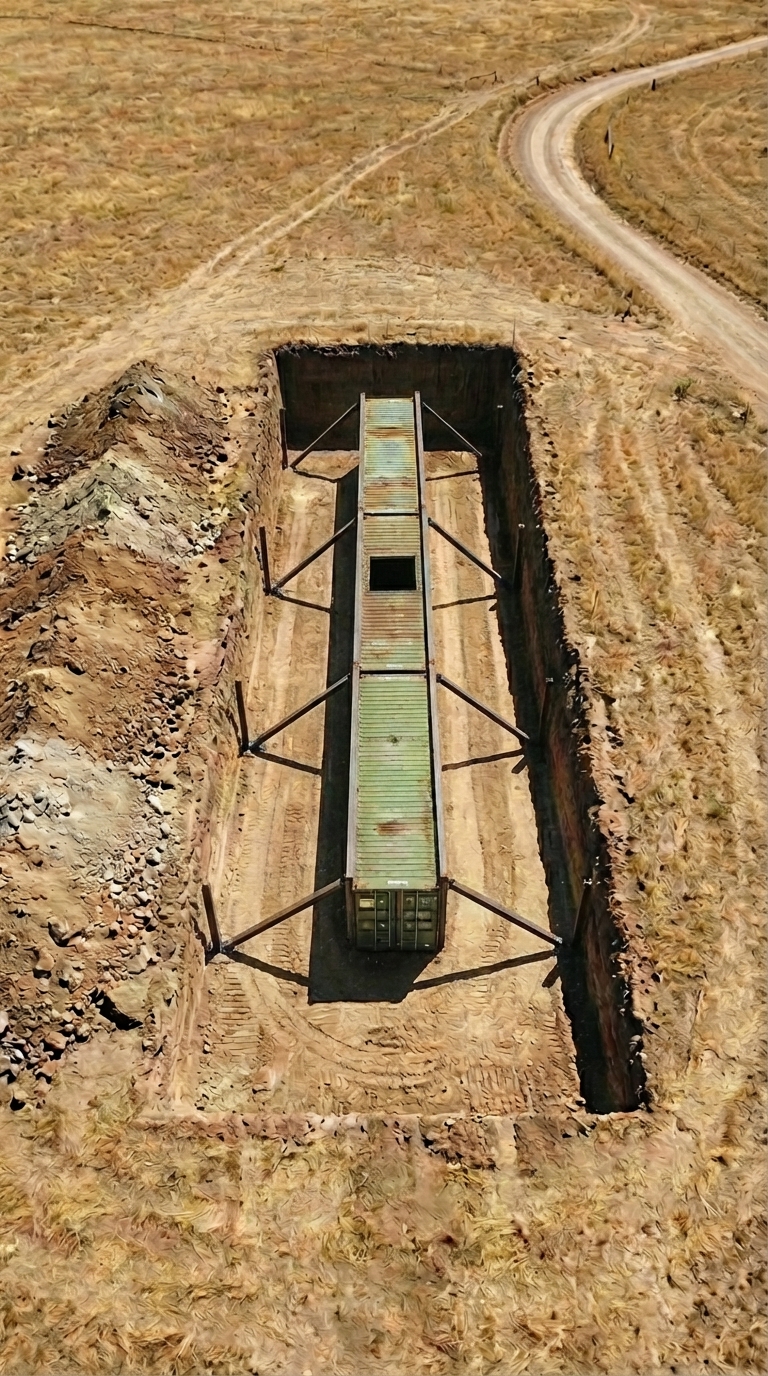
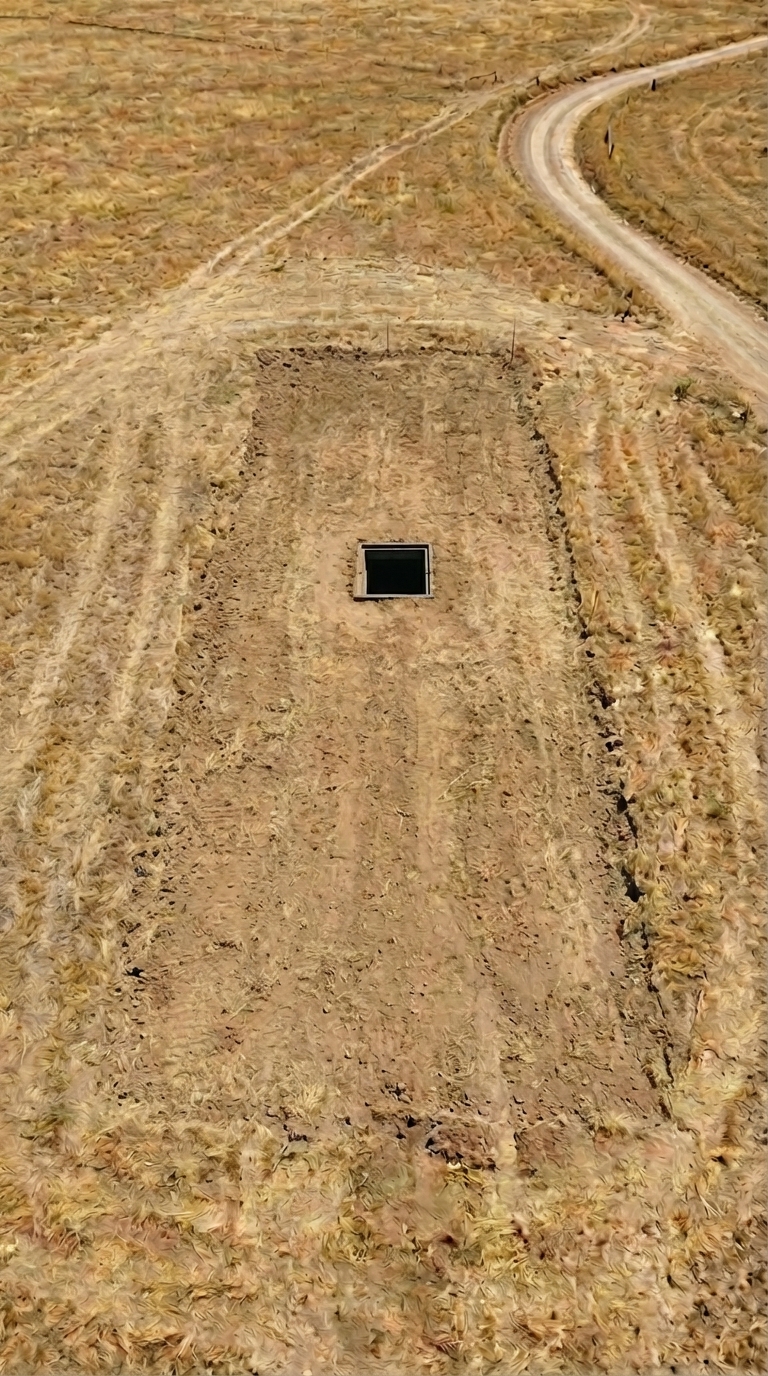
The bunker is installed in a deep excavated trench, reinforced with proper drainage and structural support to handle soil pressure. The container is treated, sealed, and protected with additional layers to ensure durability and resistance to moisture. Access is discreetly integrated into the property, allowing the underground space to remain completely hidden while still being easily reachable when needed.
Inside, the bunker can be equipped with essential systems such as power storage, ventilation, food supplies, and basic living areas. This transforms it into a reliable backup space that supports extended off-grid living.
The combination of a modern A-frame design and a concealed underground bunker offers both aesthetics and functionality. It is a practical approach for those who want a visually appealing home while maintaining a hidden layer of security and independence beneath it.
One of the key advantages of this design is how seamlessly the bunker integrates with the daily functionality of the home. The A-frame structure provides energy efficiency due to its shape, while solar panels and battery systems reduce dependence on external utilities. This creates a self-reliant living environment that can operate independently for extended periods.
The underground bunker adds a second layer of security and resilience. In situations where above-ground conditions become unstable, the bunker serves as a controlled environment with stable temperature, protected storage, and essential life-support systems. Proper airflow systems, backup lighting, and organized storage ensure that the space remains practical rather than purely emergency-focused.
Another important aspect is long-term durability. With correct installation, including reinforced ????? support and waterproofing, the underground container can last for decades with minimal maintenance. Drainage systems prevent water accumulation, while structural reinforcement protects against soil pressure and shifting ground.
This type of project is becoming increasingly popular in the United States, especially in rural and semi-remote areas where land allows for full integration of underground structures. It represents a modern approach to housing that combines design, sustainability, and preparedness into one cohesive system.
Designed Outdoor Space for a Modern A-Frame Bunker Home
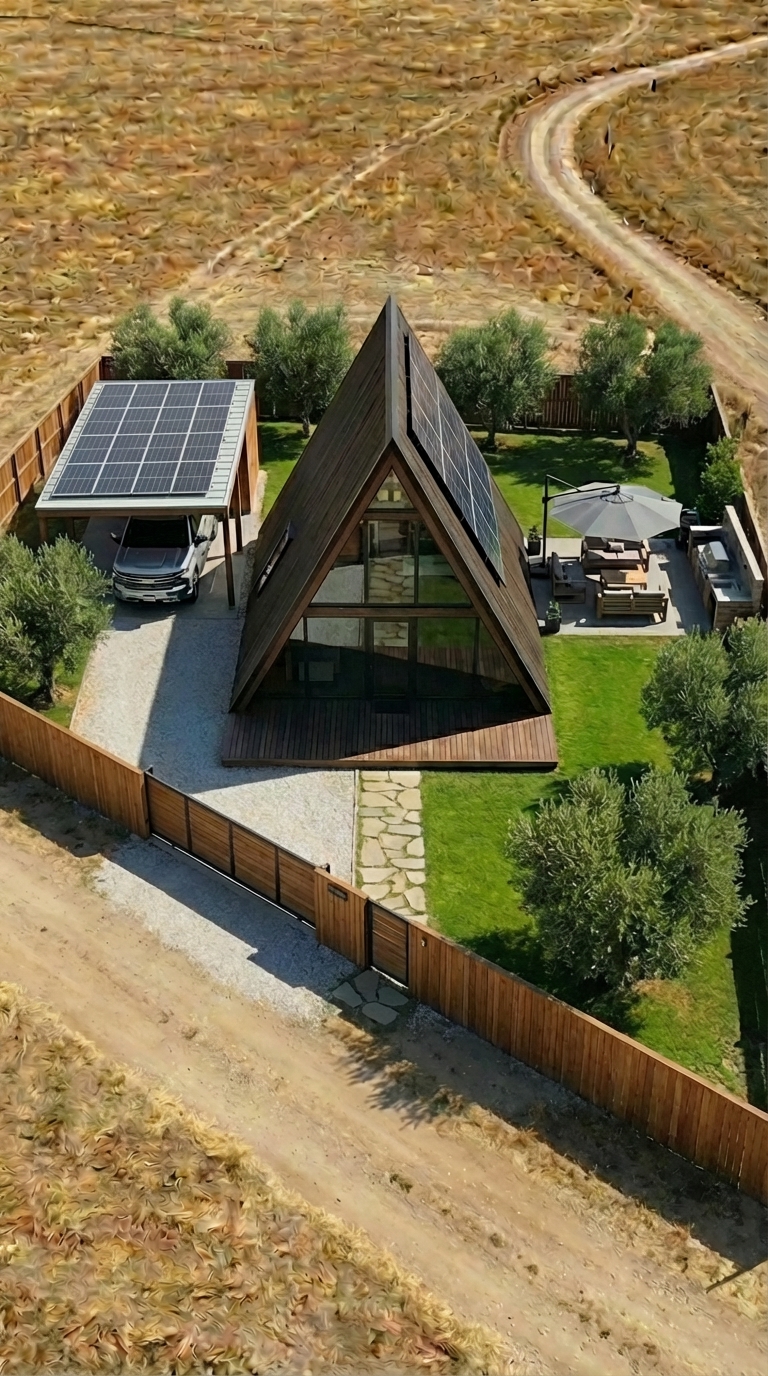
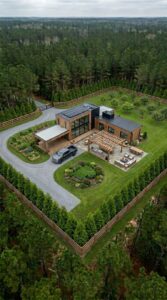
The outdoor space around this A-frame house is carefully designed to combine aesthetics, functionality, and privacy while seamlessly integrating with the hidden underground bunker system. At first glance, the yard looks like a clean and modern residential landscape, but every element is planned with purpose.
The layout features a well-maintained lawn surrounded by trees and a wooden fence, creating a private and secure environment. Natural greenery not only improves the visual appeal but also acts as a soft visual barrier, helping the property blend into the surrounding landscape.
A stone pathway leads directly to the house entrance, providing a structured and organized flow through the yard. Nearby, a dedicated patio area with outdoor furniture and a large umbrella creates a comfortable space for relaxation, making the property feel like a normal home rather than a fortified structure.
The solar-powered carport is another key feature, combining energy generation with practical use. It protects the vehicle while supporting the home’s independent power system, reinforcing the off-grid concept.
Most importantly, the design subtly conceals access points to the underground bunker. Carefully placed landscaping elements ensure that entrances remain hidden in plain sight, maintaining both security and a clean architectural look.
Overall, this backyard is not just decorative — it is a functional extension of the home, balancing modern design, energy efficiency, and discreet security integration.
Hidden Underground Living Shelter Beneath a Modern Home
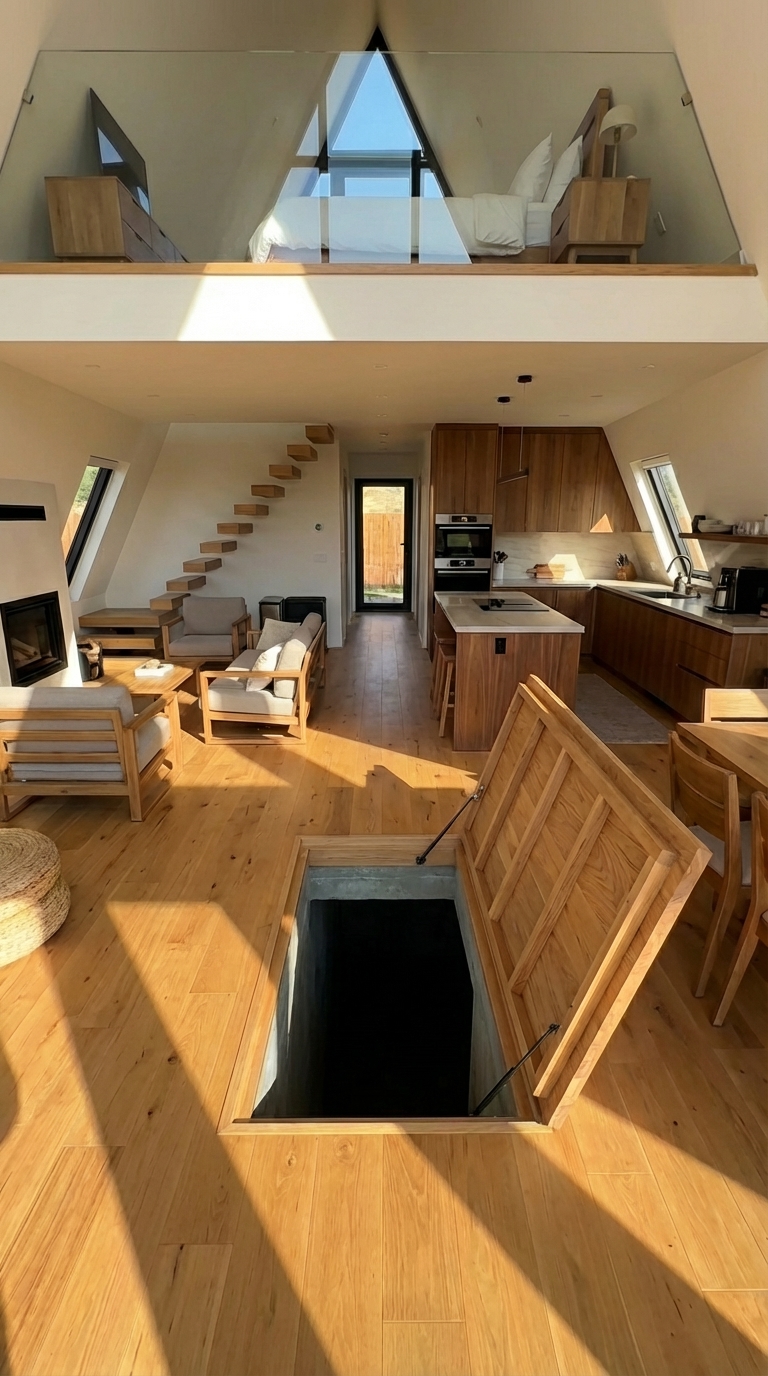
This underground living shelter is fully integrated beneath a modern home, creating a hidden and highly functional space designed for long-term comfort and security. From above, the house appears completely ordinary, with a clean and minimal interior, but a concealed floor hatch reveals access to a reinforced underground structure.
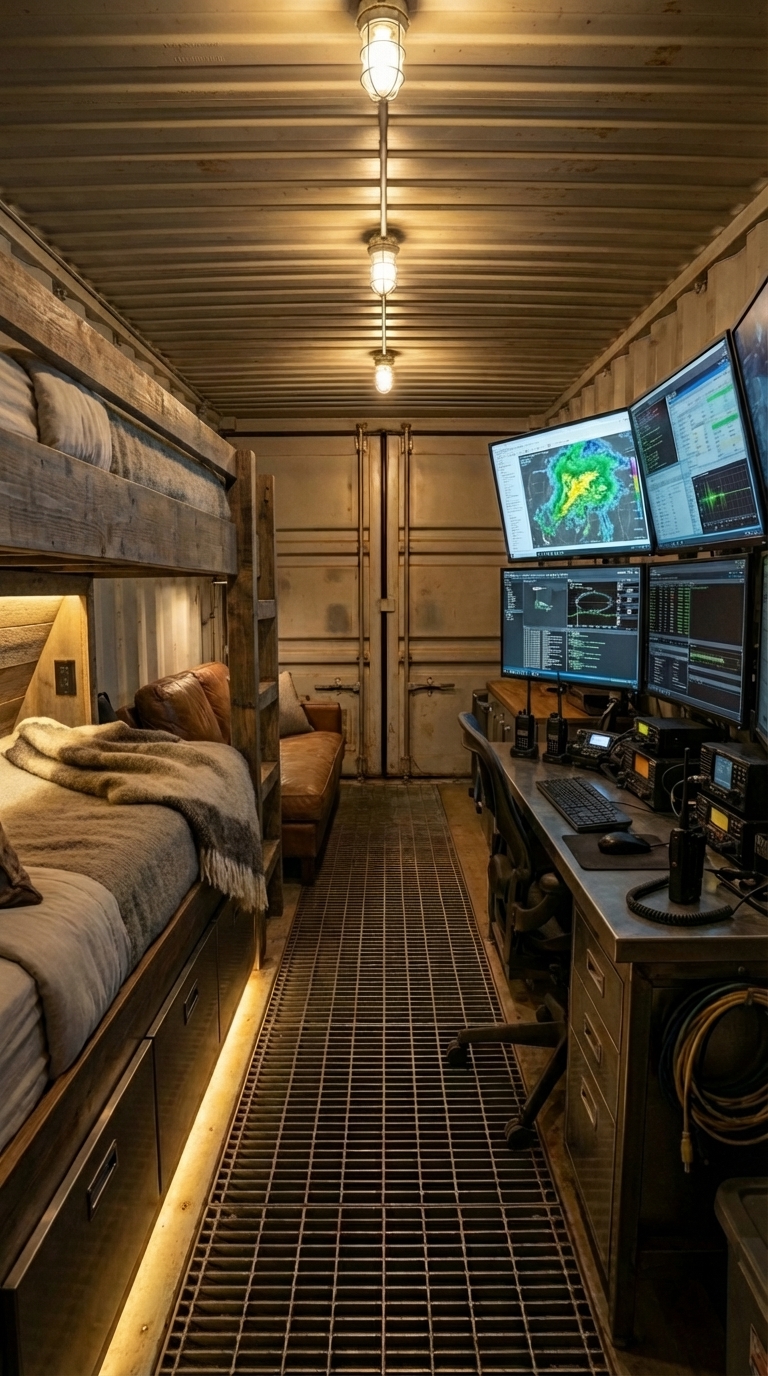
The bunker is designed as a complete living environment rather than just an emergency space. It includes a compact sleeping area with durable bunk beds, allowing multiple occupants to stay comfortably. The layout maximizes every square meter, ensuring both functionality and efficient movement throughout the space.
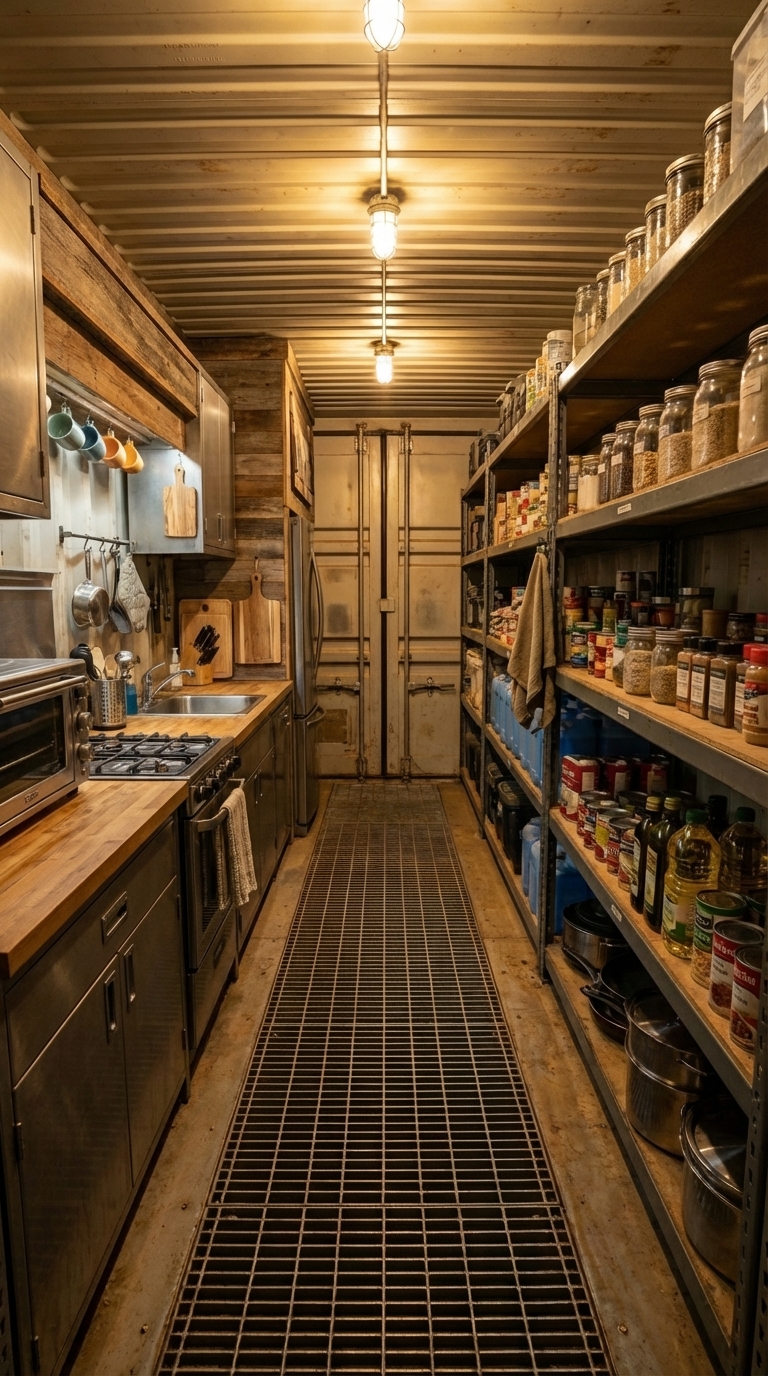
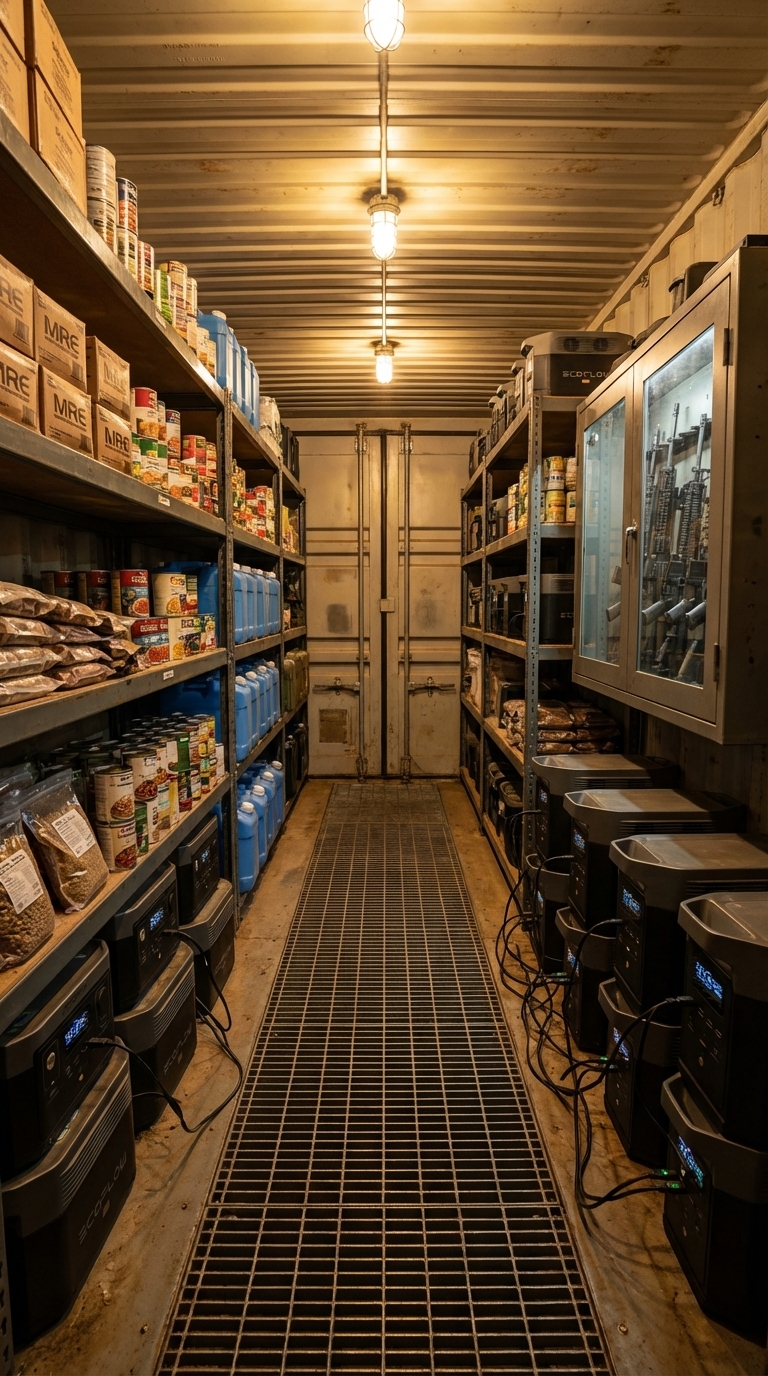
A fully equipped kitchen zone provides the ability to prepare meals using stored supplies, while nearby shelving units hold organized food reserves, water containers, and essential goods. This setup supports extended independent living without relying on external resources.
The shelter also features a dedicated control and monitoring station. Multiple screens and communication devices allow real-time observation of the surroundings, ensuring awareness and safety at all times. Power systems, including battery units and backup energy sources, are installed along the walls for easy access and maintenance.
Lighting, ventilation, and structural reinforcement are carefully planned to maintain a stable and livable environment underground. The use of durable materials ensures long-term reliability, while proper airflow systems keep the space fresh and safe.
Overall, this type of underground shelter transforms unused space beneath a house into a fully operational, hidden living system that combines comfort, security, and long-term independence.
Full Cost of a Modern House with an Underground Bunker
Building a project like this in the United States — a modern A-frame house with a fully equipped underground container bunker — is a premium but realistic investment. Below is a clear, breakdown-style estimate that people actually want to see.
? House Construction (A-Frame Modern Home)
Build cost (USA average): $150 – $300 per sq ft
Example (1,200–1,800 sq ft home): ? $180,000 – $450,000


Leave a Reply