Rebuilding a Storm-Battered Ocean Bunker into a Modern Survival Shelter
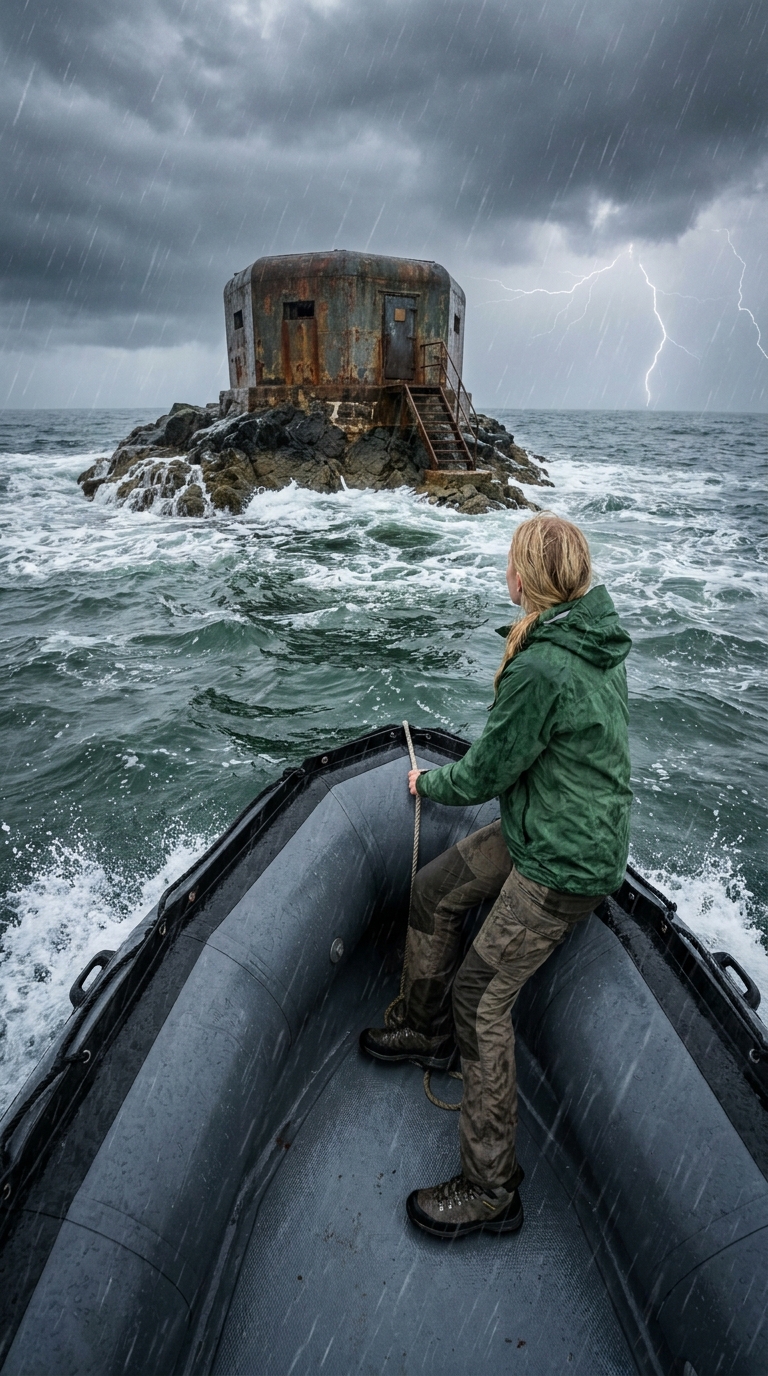
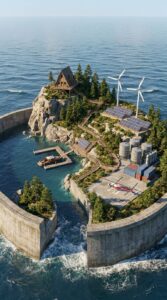
Transforming an abandoned ocean bunker into a functional and resilient living space is both a technical challenge and a creative opportunity. Located on a rocky outcrop surrounded by harsh waves and unpredictable weather, such structures are often heavily corroded, structurally compromised, and exposed to constant moisture and salt damage. However, with the right approach, they can be converted into durable, off grid shelters designed for long term survival.
The renovation process begins with a full structural assessment. Rusted steel elements must be treated or replaced, while concrete surfaces require reinforcement using marine grade materials. Waterproofing is critical. Specialized coatings and sealants are applied to prevent further deterioration caused by saltwater exposure. Drainage systems are also installed to manage wave splash and heavy rainfall.
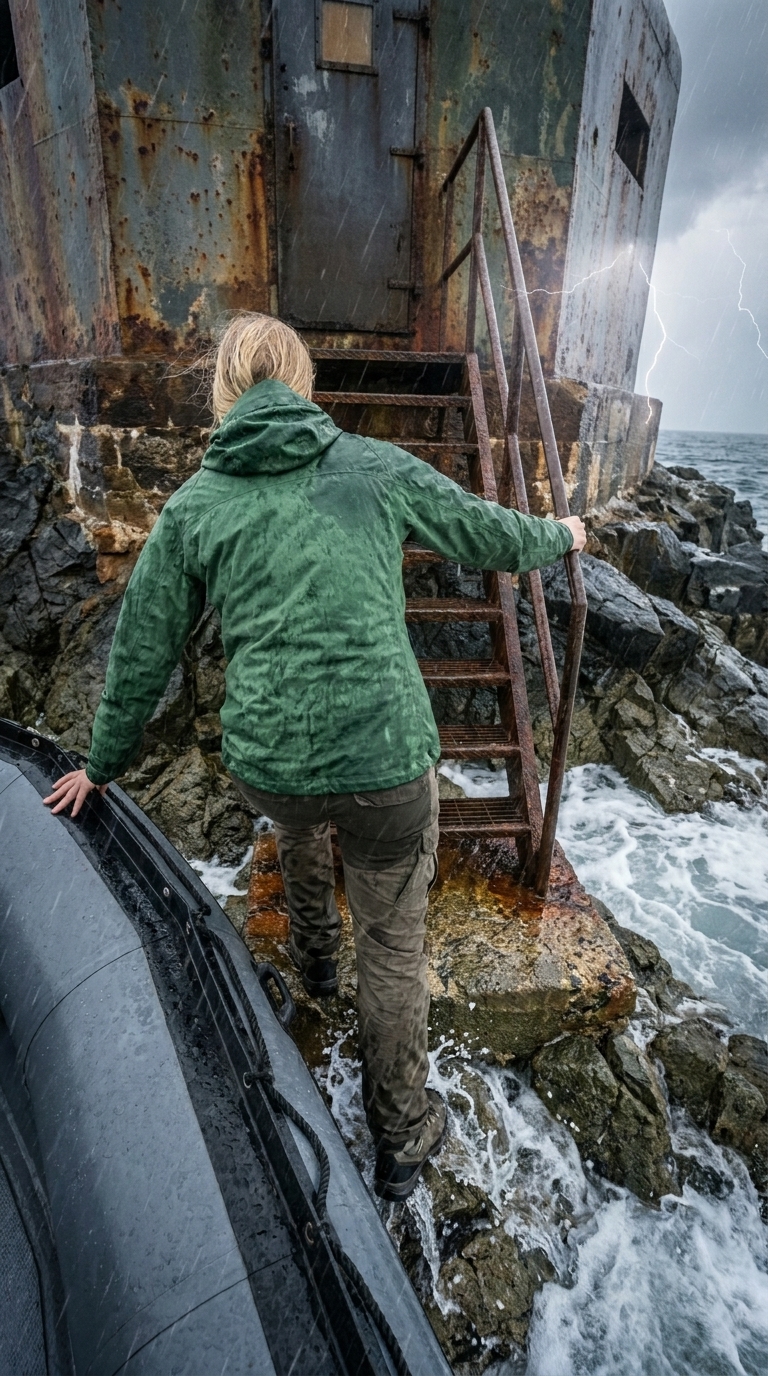
Access is another key factor. Safe and stable entry points such as reinforced stairs or docking platforms must be constructed to withstand strong currents and storm surges. Inside the bunker, the layout is optimized for compact living. Insulation is added to regulate temperature, and ventilation systems are installed to maintain air quality in a confined environment.
Energy independence is essential. Solar panels combined with battery storage systems provide reliable power, while rainwater collection and filtration systems ensure a sustainable water supply. Interior design focuses on minimalism and functionality, using corrosion resistant materials and modular furniture to maximize space efficiency.
Lighting plays an important role in transforming the bunker from a harsh industrial shell into a livable environment. Strategic placement of LED lighting and small reinforced windows can create a sense of openness without compromising structural integrity.
Ultimately, renovating an ocean bunker is not just about restoration, but reinvention. It turns a forgotten relic into a self sufficient refuge capable of withstanding extreme conditions while offering a unique and secure living experience.
From Corrosion to Protection: Restoring the Bunker Exterior and Door System
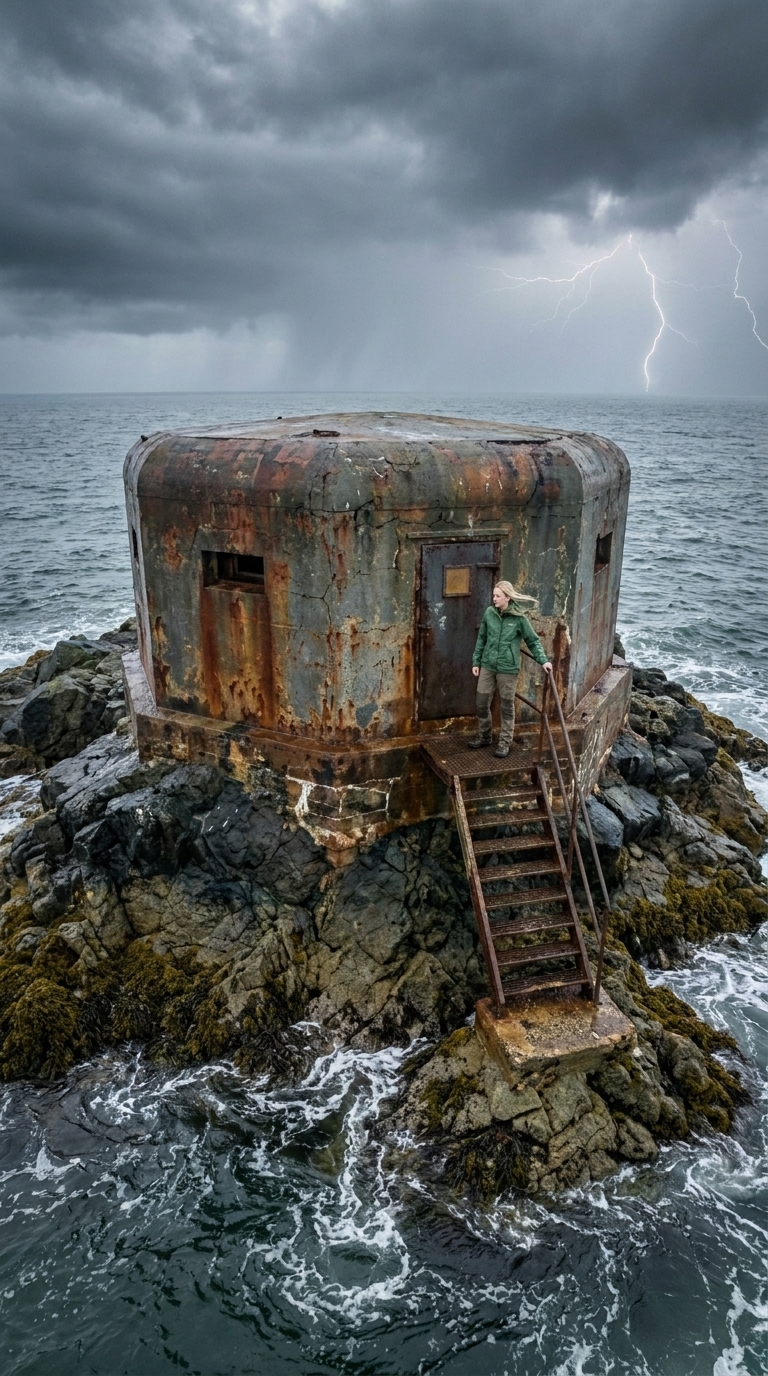
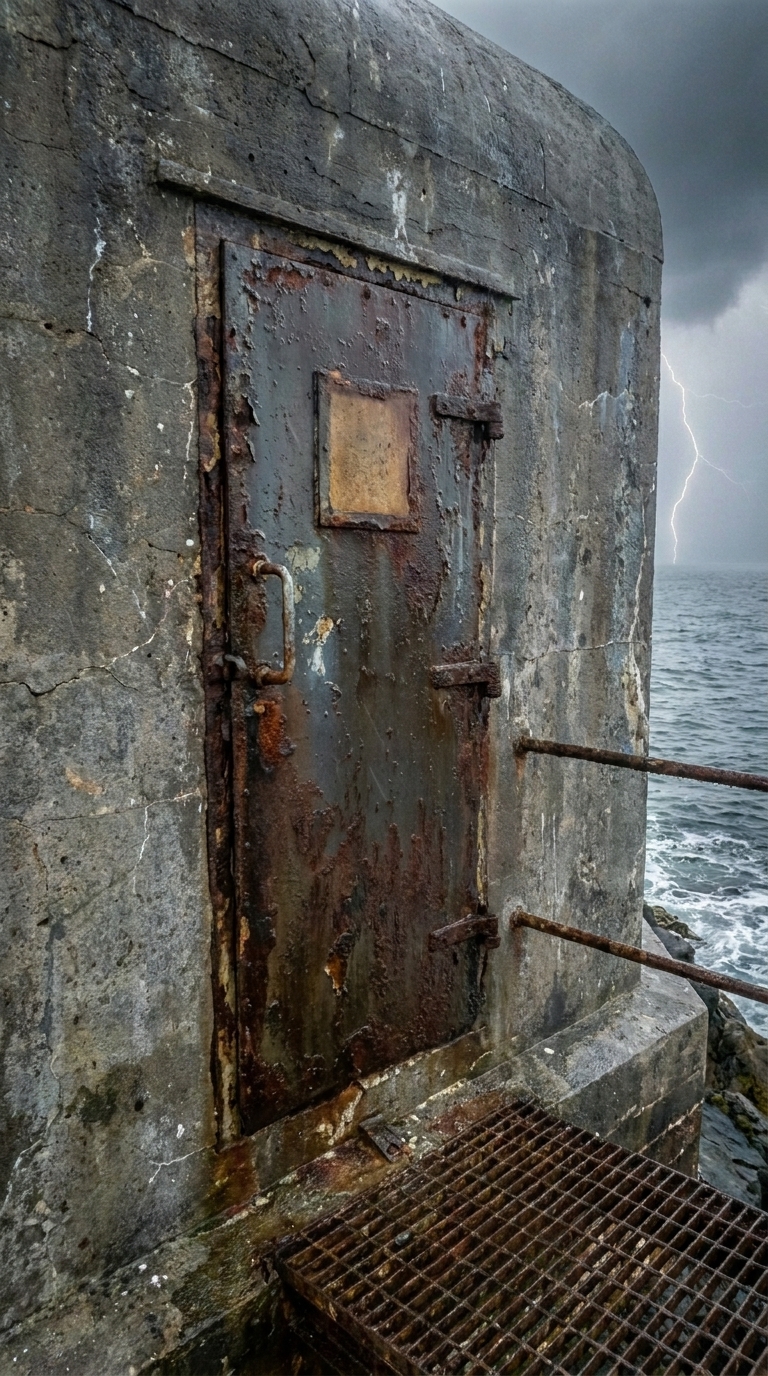
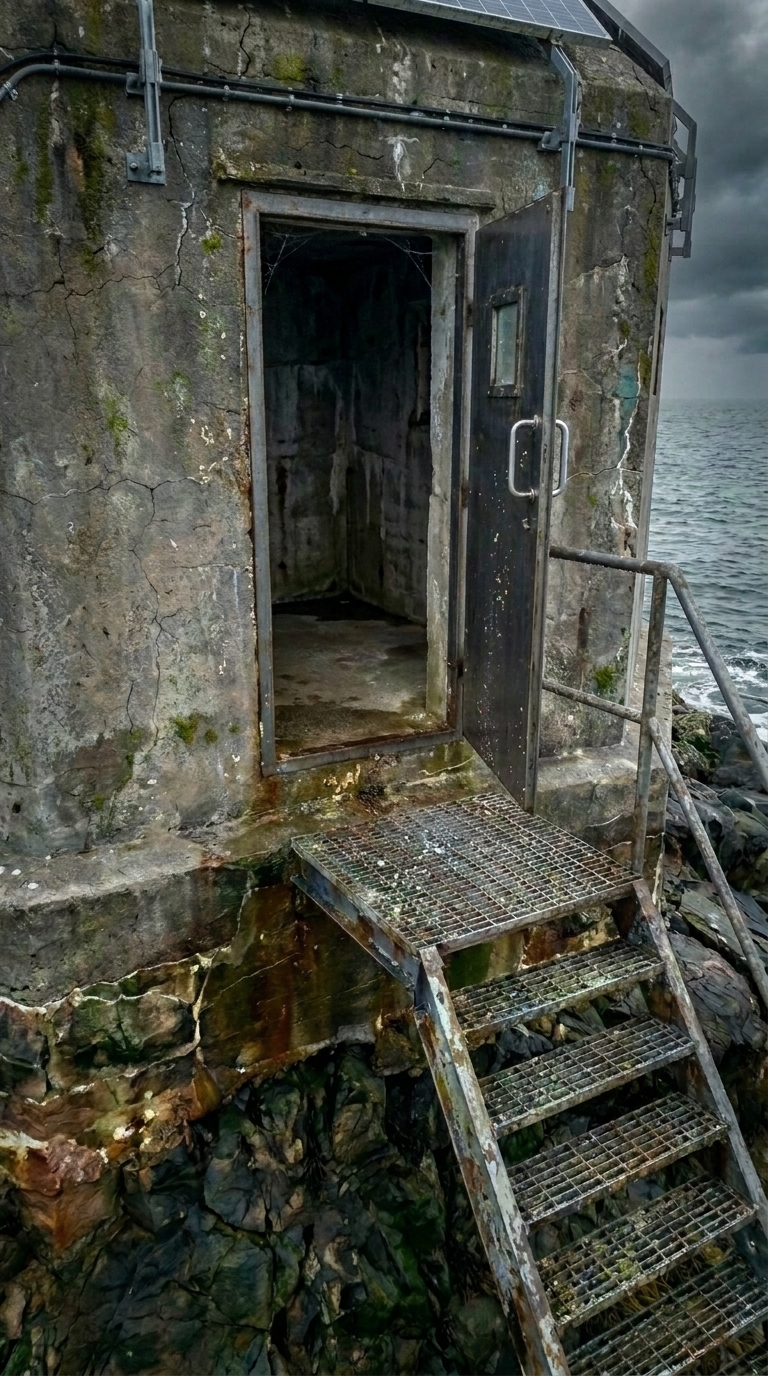
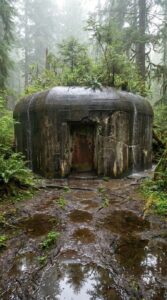
After the initial inspection and stabilization phase, the next critical step in the bunker renovation was the complete cleaning and restoration of its exterior surfaces and entry system. Years of exposure to saltwater, wind, and storms had severely damaged the outer concrete shell and completely corroded the original steel door. The structure was covered in rust stains, mineral deposits, and biological buildup, all of which had to be removed before any further upgrades could begin.
The process started with high pressure cleaning to strip away layers of salt residue, algae, and debris embedded in the concrete. This revealed the true condition of the bunker, including surface cracks and weak points that required reinforcement. Specialized marine repair compounds were then applied to restore structural integrity and seal micro fractures, preventing future water penetration.
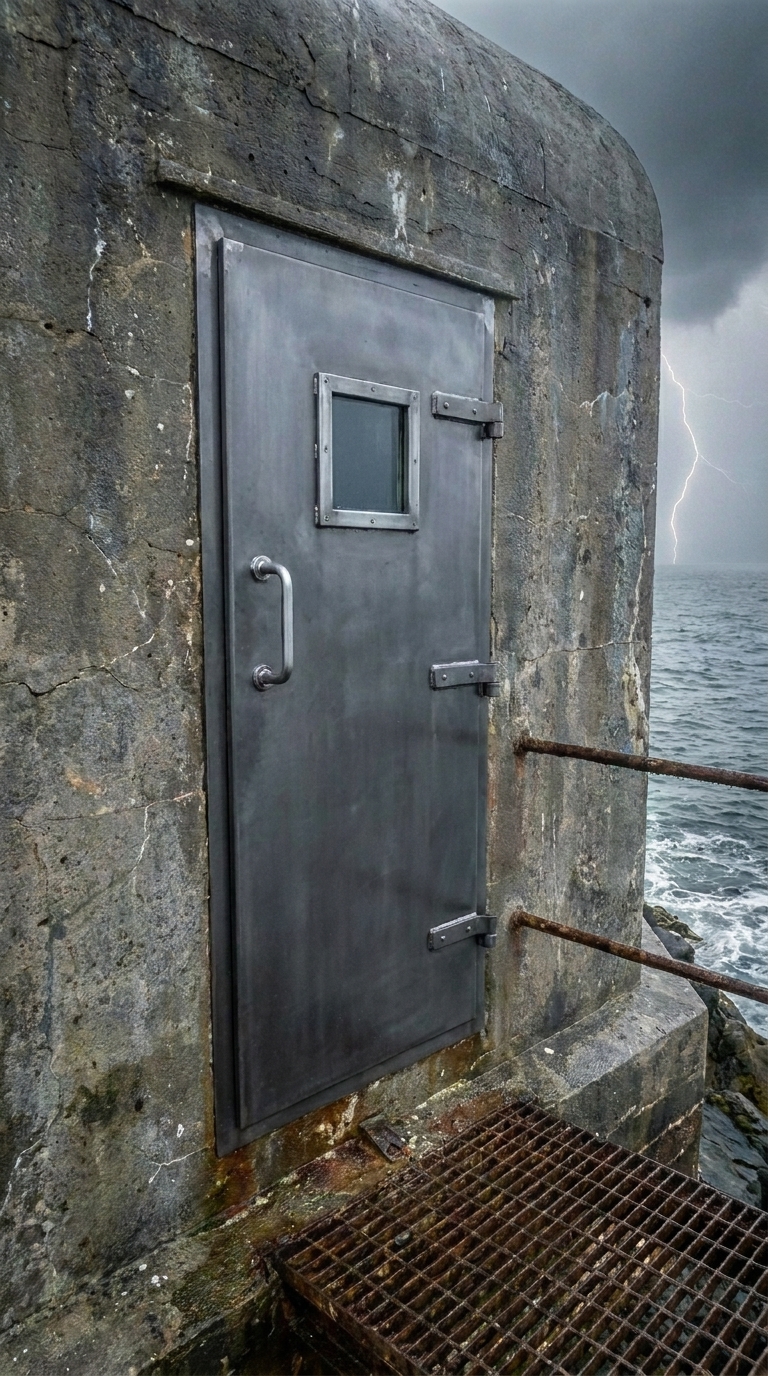
The original door presented an even greater challenge. Completely rusted and compromised, it could no longer provide adequate protection against the elements. It was carefully removed and replaced with a new heavy duty marine grade steel door, designed to resist corrosion and withstand extreme weather conditions. The new door system includes reinforced hinges, a sealed viewing window, and a watertight locking mechanism, ensuring both durability and security.
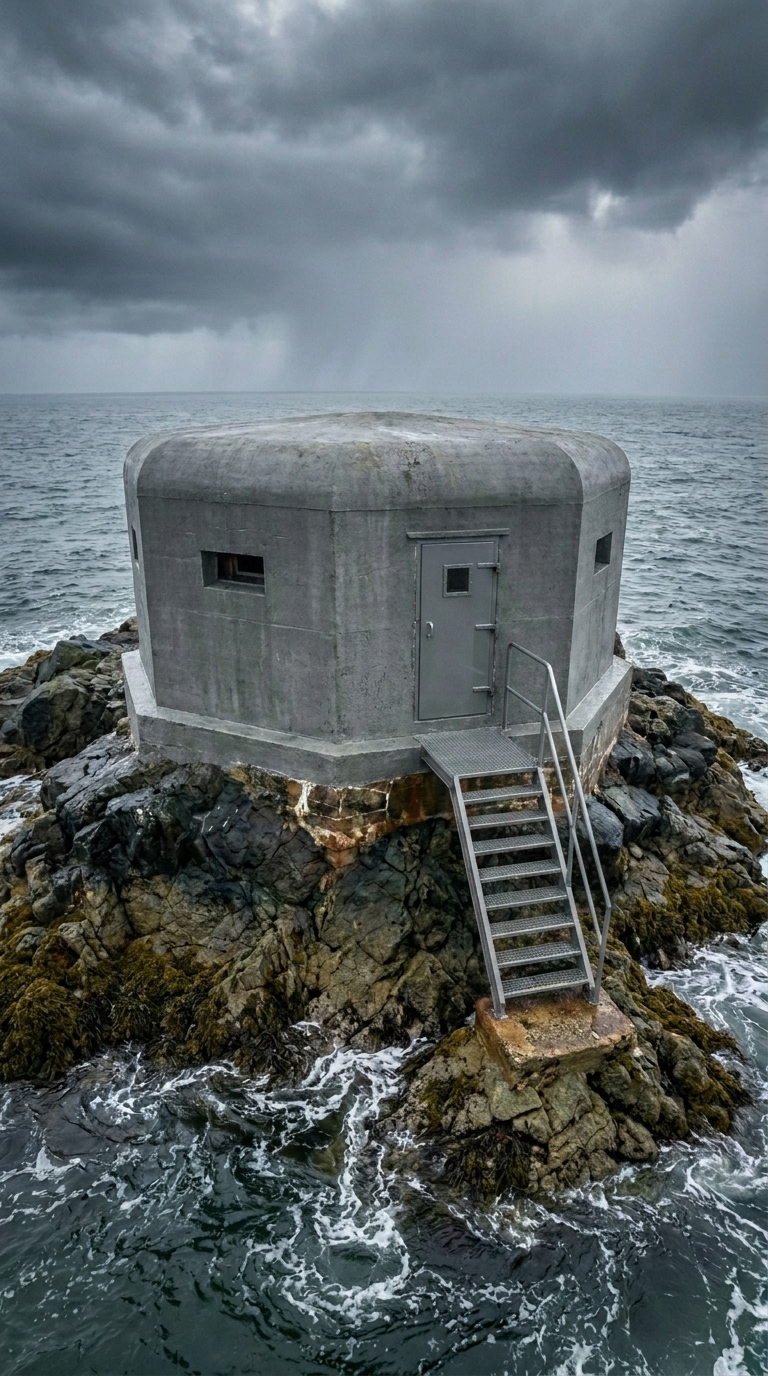
Additionally, the entry platform and stairs were upgraded using galvanized metal to prevent future rusting. Every exposed metal component was treated with anti corrosion coatings, extending the lifespan of the entire access system.
This stage of renovation marks a major transformation. What was once a deteriorating and unsafe entrance is now a secure, weather resistant gateway into the bunker. By addressing both structural and environmental damage, the bunker is no longer vulnerable to the ocean’s constant impact, setting the foundation for the interior transformation to follow.
Transforming the Bunker Interior into a Fully Functional Living Space
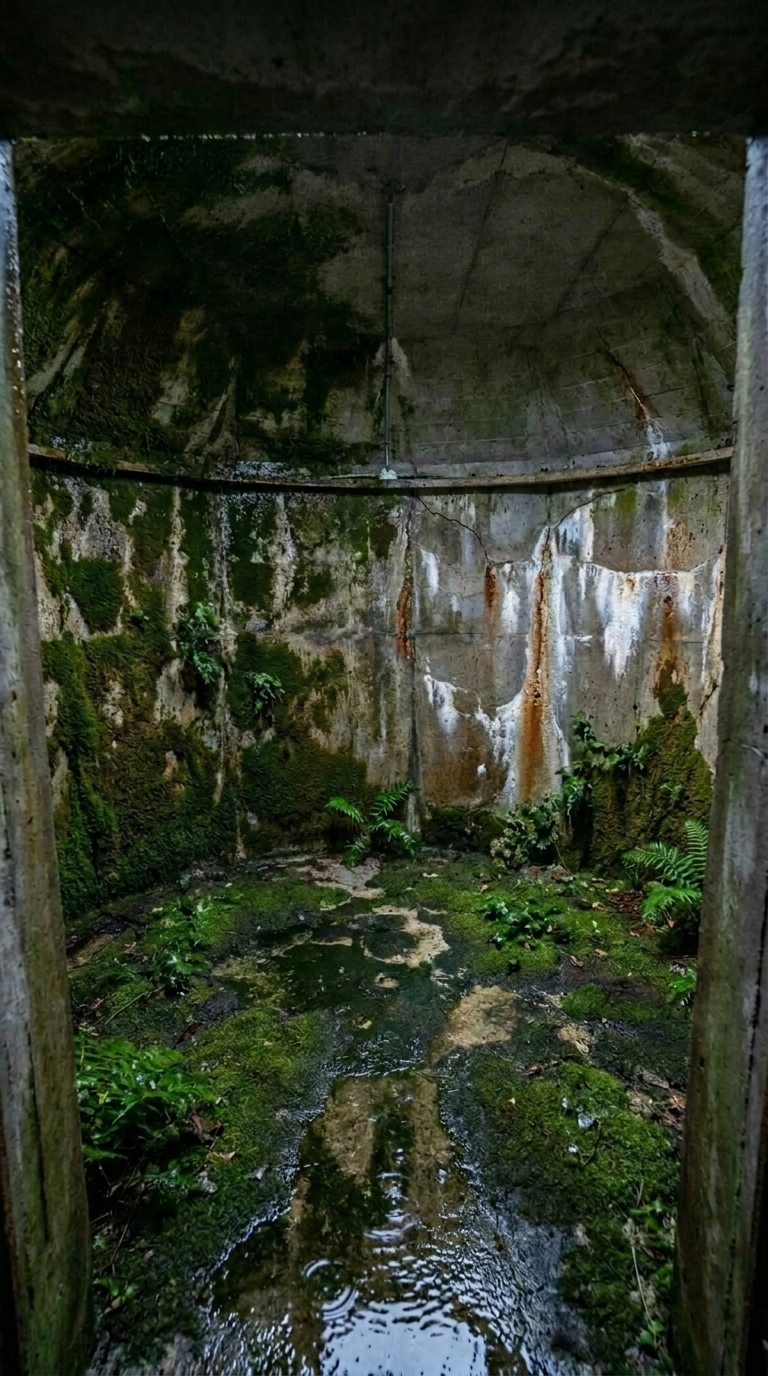
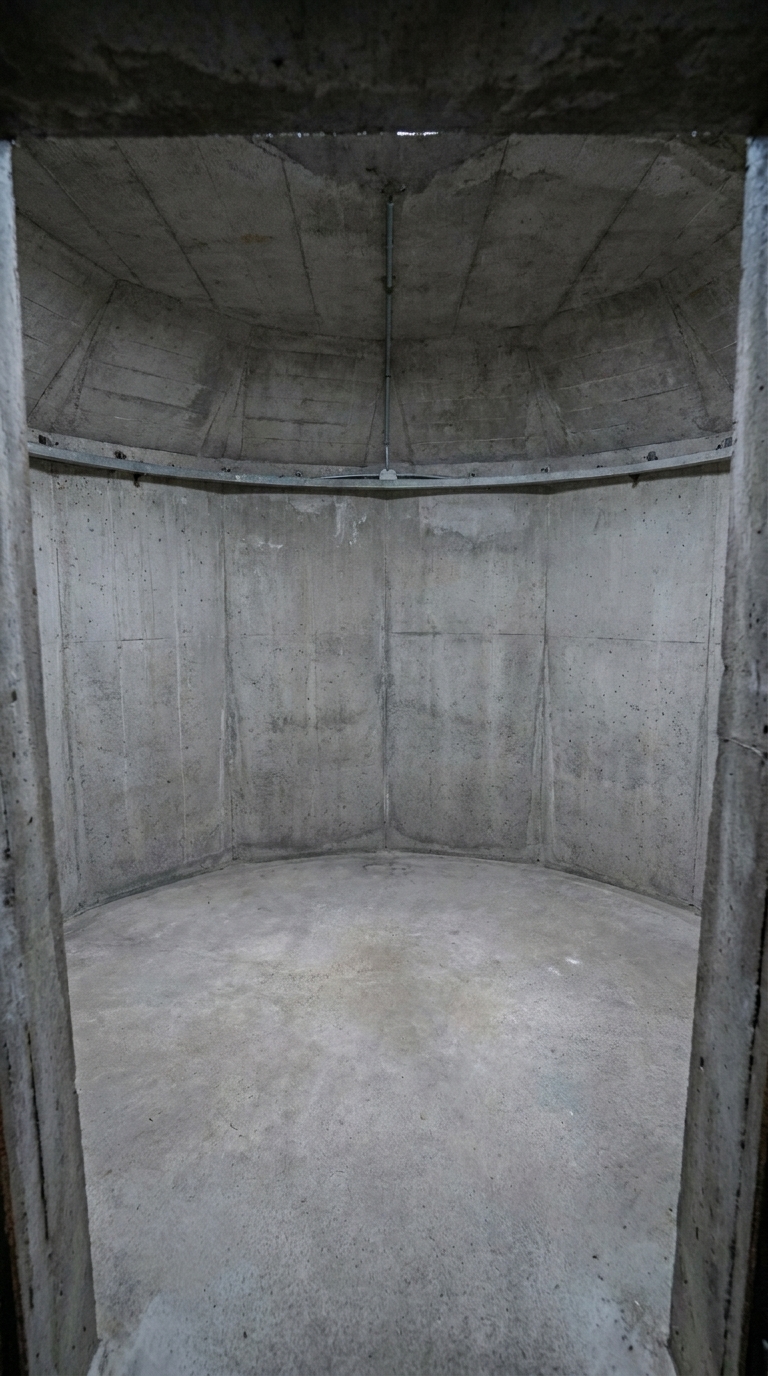
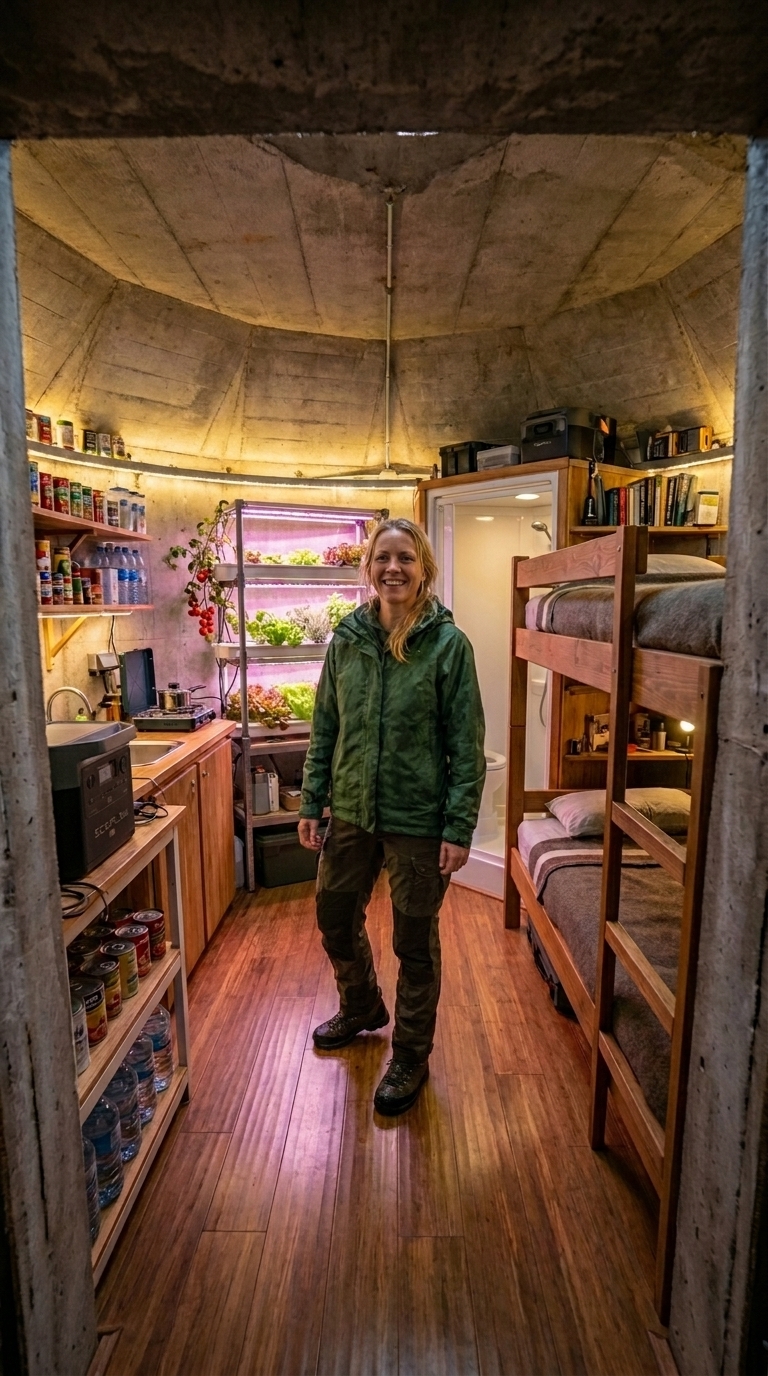
With the exterior secured and protected from the harsh marine environment, the renovation moved to the most important stage: transforming the empty concrete shell into a livable, efficient, and self sufficient interior. What was once a damp, cold, and neglected space covered in moisture, mold, and mineral buildup has now been completely reimagined into a compact survival habitat.
The process began with deep cleaning and drying of the entire interior. All biological growth, including moss and mold, was removed using specialized treatments to eliminate future contamination. The concrete walls were sealed with moisture resistant coatings to prevent condensation and water intrusion, creating a stable internal climate.
Next came insulation and flooring. A layered system was installed to separate the living area from the cold concrete base, significantly improving thermal comfort. Durable, water resistant flooring was chosen to withstand humidity while maintaining a warm and natural appearance.
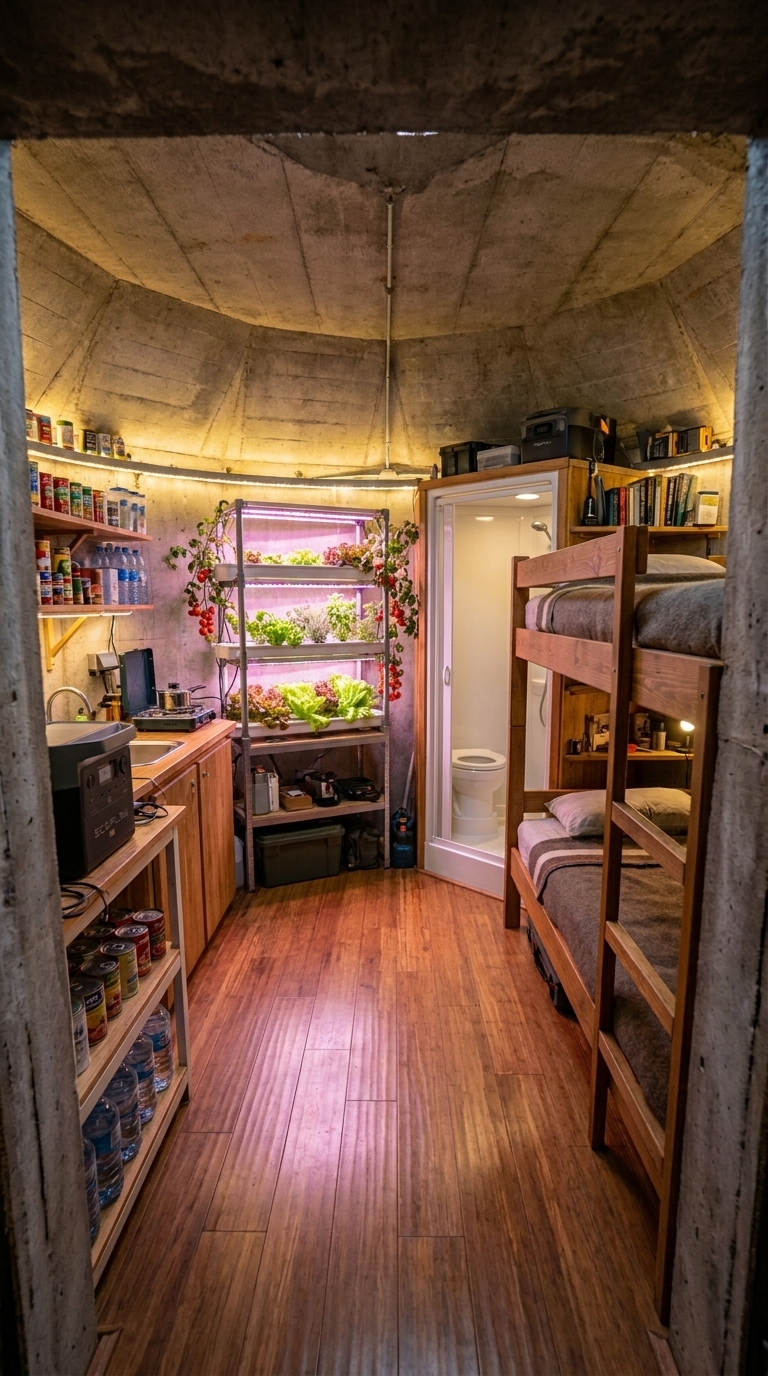
The layout was carefully designed to maximize every square meter. A compact kitchen area was installed with essential equipment, storage shelves, and food supplies organized for long term use. Bunk beds were added to provide sleeping space without sacrificing functionality, and integrated storage solutions ensure that all items remain accessible and secure.
A key feature of the transformation is the indoor growing system. Using LED grow lights, fresh vegetables and greens can be cultivated year round, providing a renewable food source even in complete isolation. This significantly increases the sustainability of the bunker.
A fully enclosed bathroom unit was also installed, ensuring hygiene and comfort in a confined space. Ventilation and air circulation systems were integrated to maintain oxygen levels and remove excess humidity, which is critical in a sealed environment.
Lighting design plays a major role in the psychological comfort of the space. Warm, evenly distributed lighting eliminates the harsh feel of concrete and creates a sense of safety and livability.
This stage completes the transition from an abandoned structure to a fully operational survival shelter. The bunker is no longer just protected from the outside world, it is now capable of supporting life inside it efficiently, comfortably, and independently.
Final Result: A Self Sufficient Ocean Shelter Ready for Survival
After completing every stage of the renovation, the transformation of the abandoned ocean bunker is fully realized. What once stood as a decaying concrete structure exposed to relentless storms and corrosion has been turned into a secure, efficient, and fully livable survival shelter.
Every detail now serves a purpose. The reinforced exterior protects against extreme weather, while the upgraded entrance system ensures safety and long term durability. Inside, the space has been carefully engineered to balance comfort and functionality. A compact kitchen, organized food storage, integrated sleeping area, and a fully enclosed bathroom create a complete living environment within a minimal footprint.
The addition of an indoor growing system provides a continuous source of fresh food, significantly increasing independence from external supplies. Combined with a reliable energy setup and water management system, the bunker is capable of sustaining life even in complete isolation.
Beyond practicality, the transformation also delivers psychological comfort. Warm lighting, natural materials, and a structured layout replace the cold, empty concrete with a space that feels safe, controlled, and livable. This is no longer just a shelter, but a place where a person can truly stay for extended periods without compromising basic needs.
This project demonstrates how even the most hostile and forgotten structures can be reimagined into something functional and resilient. The bunker now stands as a fully ???????ous refuge, ready to withstand the forces of nature while providing stability, security, and independence in one of the most extreme environments possible.
This is an architectural concept visualization and not a real construction project.

Leave a Reply